China Locks Down Silver Exports: Fueling the 2026 Squeeze While Analysts Sound the Bubble Alarm
Expectations for increased manufacturing demand in emerging industries like artificial intelligence are supporting many metals.
Quick overview
- Silver prices have surged due to China's new export restrictions, which prioritize domestic demand and limit smaller exporters.
- China's stringent licensing system for silver exports has raised concerns about a potential supply squeeze and market bubble.
- Increased manufacturing demand in sectors like AI and renewable energy is driving up prices, alongside a speculative frenzy among investors.
- Silver inventories are at record lows, raising the risk of supply shortages that could affect various industries reliant on the metal.
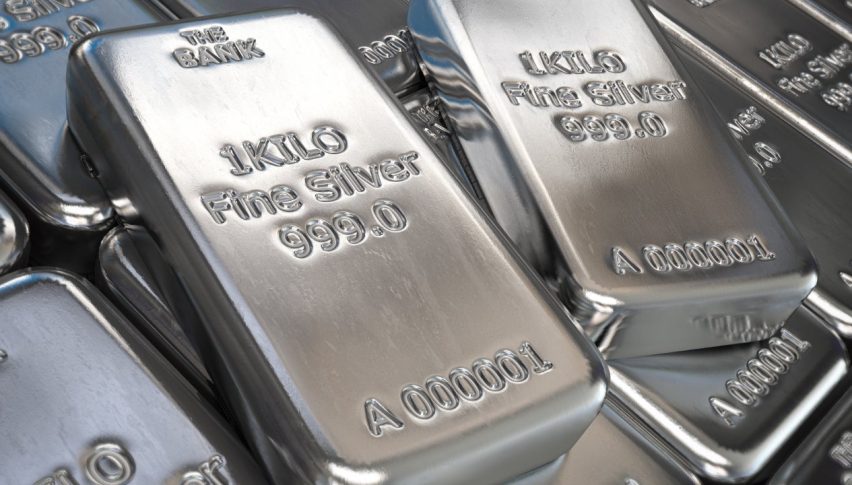
Silver prices have skyrocketed as a result of China’s new export restrictions, which went into effect on January 1, 2026. This has led to widespread discussion about a possible supply squeeze and warnings of a potential bubble. China, which accounts for between 60 and 70 percent of the world’s supply of refined silver, replaced its previous quota system with a more stringent licensing system.
The Ministry of Commerce now requires government approval for exporters, and only big, state-approved companies are eligible (e.g. The g. those who meet credit requirements and produce at least 80 tonnes per year).
Effectively limiting smaller and mid-sized exporters as a result, domestic demands for sectors like solar panels, EVs, electronics, and AI data centers are prioritized, .
The action, which positions silver as a “strategic material” in the face of growing global demand and ongoing supply shortages (silver has been in structural shortage for years), is reminiscent of China’s previous strategies with rare earths.
Expectations for increased manufacturing demand in emerging industries like artificial intelligence are supporting many metals. The rally has been fueled by a speculative frenzy in China, where traders and wealthy investors are heavily investing in commodities such as copper, nickel, and lithium.
Trading volumes on the Shanghai Futures Exchange have increased significantly.
On Wednesday, the total open interest in all six of SHFE’s base metals hit a new record. This rally, especially in precious metals, has also been boosted by the so-called debasement trade, where investors avoid government bonds and currencies due to concerns over rising debt levels.
Commodities priced in dollars are attractive because of the relatively weak dollar. Last year, both gold and silver experienced their best annual performances since 1979, with gold increasing by 65% and silver nearly 150%. As global mines and smelters struggle to meet demand, base metals are generally benefiting from expectations of a tighter supply this year.
Commodities that do not pay interest benefit significantly from lower borrowing costs, with traders betting on additional rate reductions in 2026. Physical premiums have hit extreme levels due to relentless industrial demand from solar panels, EVs, AI data centers, and electronics, pushing against dwindling inventories. Elon Musk’s remarks highlighting the growing investor frenzy around precious metals triggered Monday’s early momentum.
“This is not good,” Musk said on X in response to a tweet about Chinese export restrictions.
Many industrial processes rely on silver. The US’s blockade of oil tankers in Venezuela and Washington’s actions against the Islamic State in Nigeria over the past week have increased the appeal of these metals as safe havens. Silver inventories are at their lowest point ever, raising the risk of supply shortages that could impact several industries.
- Check out our free forex signals
- Follow the top economic events on FX Leaders economic calendar
- Trade better, discover more Forex Trading Strategies
- Open a FREE Trading Account
- Read our latest reviews on: Avatrade, Exness, HFM and XM

Related Articles
Sidebar rates

Related Posts
 Save
Save