The Bank of Japan Pulls Back from Bond Intervention Despite Rising Volatility
Japan’s Prime Minister Sanae Takaichi may not receive support from the Bank of Japan (BoJ) to curb the sharp rise in government bond yields.

Quick overview
- The Bank of Japan believes that intervening in the bond market could weaken the yen further and poses more risks than benefits.
- Prime Minister Sanae Takaichi may struggle to gain support from the BoJ to address rising government bond yields ahead of the February elections.
- Recent market movements have not met the threshold for intervention, despite concerns over volatility in bond yields.
- Takaichi's proposals for increased fiscal spending have raised worries about Japan's public debt sustainability, complicating the BoJ's monetary policy strategy.
The central bank believes that intervention would pose more risks than benefits and could further weaken the yen.
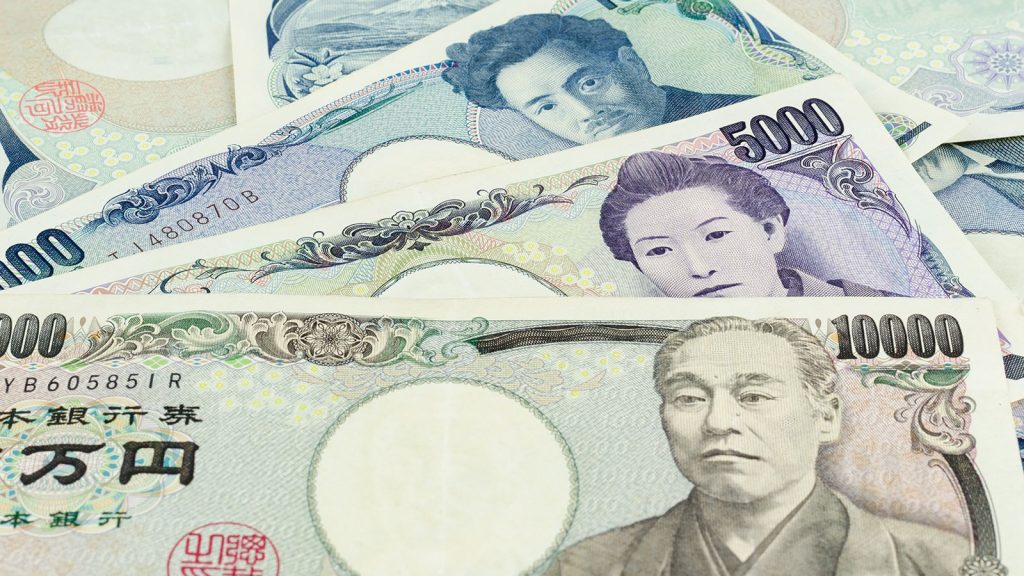
Japan’s Prime Minister Sanae Takaichi may not receive support from the Bank of Japan (BoJ) to curb the sharp rise in government bond yields. The cost of intervention is seen as too high and could trigger an additional slide in the yen, which is already under pressure ahead of the February 8 elections.
According to Reuters, three sources familiar with the central bank’s thinking said recent market moves have not reached the threshold required to justify intervention—an option that was discussed at the BoJ’s January 22–23 policy meeting.
At that meeting, one board member warned about a “one-sided rise” in the yield curve, while another flagged heightened volatility in ultra-long-dated bonds. BoJ Governor Kazuo Ueda also struck a more cautionary tone, describing the pace of the rise in yields as “quite rapid,” although markets have since regained some stability.
Elections and fiscal risks
Japanese government bonds (JGBs) came under heavy selling late last month, unsettling global debt markets given Japan’s role as the funding source for one of the world’s largest carry trades, thanks to its historically low borrowing costs.
The sell-off was triggered by Prime Minister Takaichi’s call for snap elections and her pledge to suspend a food tax for two years—a proposal that raised concerns about increased fiscal spending in a country already burdened with one of the highest public debt levels globally.
Growing expectations that Takaichi’s party could secure a decisive victory have kept investors on edge. A strong mandate at the polls would give her greater leeway to pursue expansionary fiscal policies, intensifying worries over the sustainability of Japan’s public finances.
This backdrop leaves the Bank of Japan in a difficult position. Any attempt to cap long-term bond yields would run counter to its gradual rate-hiking strategy, aimed at containing inflationary pressures stemming from the yen’s prolonged depreciation.
- Check out our free forex signals
- Follow the top economic events on FX Leaders economic calendar
- Trade better, discover more Forex Trading Strategies
- Open a FREE Trading Account
- Read our latest reviews on: Avatrade, Exness, HFM and XM

Related Articles
Sidebar rates

