U.S. Natural Gas Futures Jump Nearly 3% to Hit 4-Week High
The price of natural gas is up Monday but not as high as global oil rates as fighting continues in Iran.

Quick overview
- LNG futures in the U.S. rose to $2.84 per MMBtu, gaining 2.83% due to decreased production and inventory injections, not military actions in the Strait of Hormuz.
- The latest EIA report indicated a decline in inventory injections, with only 79 Bcf added compared to 105 Bcf during the same week last year.
- Despite rising global gas and oil prices, U.S. LNG production and supply remain stable, with increased exports amid the ongoing conflict in the Strait of Hormuz.
- Mild weather across the U.S. is expected to have a greater impact on LNG rates than international tensions, with forecasts predicting lower rates in the coming weeks.
LNG futures in the United States hit $2.84 per MMBtu on Monday, gaining 2.83% but not because of military action in the Strait of Hormuz.
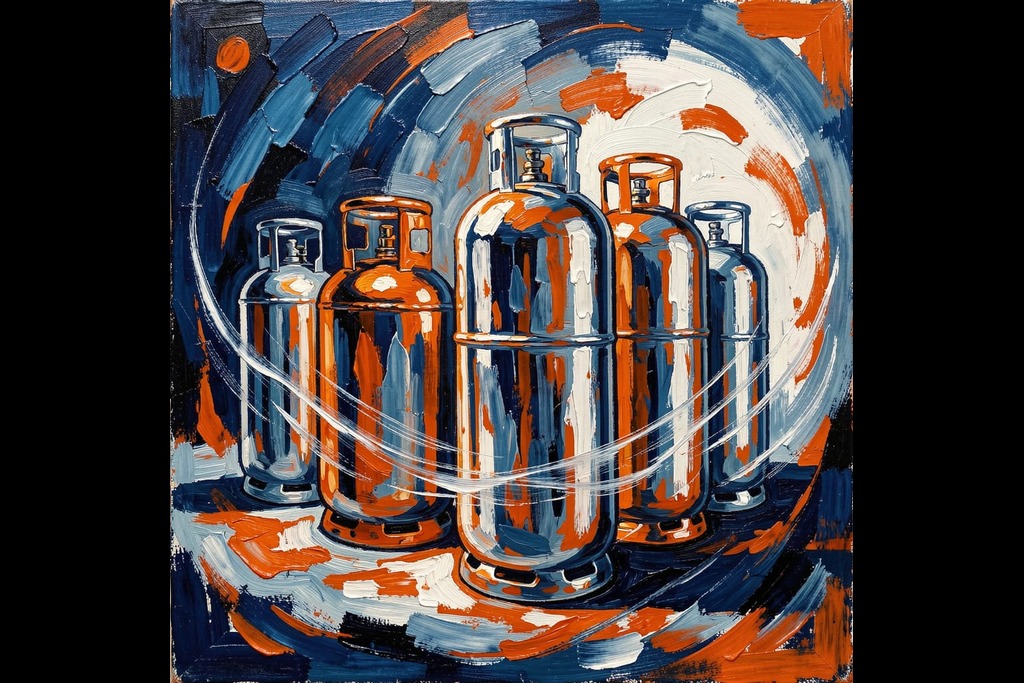
While gas and oil prices are rising around the world today after Iran blockaded the Strait of Hormuz, natural gas rates in the U.S. are also up but for different reasons. The price of LNG rose domestically to nearly a 4-week high as production dropped, injections decreased, and export levels hit new highs.
The latest report from the EIA (Energy Information Administration) showed that 79 Bcf was injected into inventories for the second to last week of April. That is about what was expected but also a decline from the preceding week. That is also well below the injection from the same week last year- 105 Bcf.
LNG Rates Remain Mostly Bearish
Production of LNG dropped recently, down 2 bcfd for almost a week. As prices fell sharply in recent weeks, producers lowered their production levels to handle the diminishing demand and income.
At the same time, exports are on the rise, global gas providers are feeling the pinch from hindered shipping through and round the Strait of Hormuz. The conflict there is not affecting U.S. LNG production and supply, and exporters in the country are noticing a spike in orders.
Weather across the United States is having more of an effect on LNG rates than Iran tensions. The current weather is mild across much of the country, with continued mild weather forecasts for coming weeks.
Domestic LNG is not expected to experience the same level of volatility as gas and oil prices globally. Those rates have fluctuated wildly over the past couple months, moving between extreme highs and then pulling back slightly from day to day. West Texas Intermediate oil prices, which serve as a global benchmark, rose 3.45% on Monday to hit $105 per barrel. Brent crude- another benchmark- climbed 5.32% Monday, spurred by escalating conflict over the Strait of Hormuz.
Those two benchmarks have spiked tremendously since the fighting began back in February of this year. Meanwhile, domestic LNG rates have moved mostly lower in the same timeframe. The market anticipates even lower rates for LNG in the coming weeks as weather warms and injections continue into an already higher than normal inventory.
- Check out our free forex signals
- Follow the top economic events on FX Leaders economic calendar
- Trade better, discover more Forex Trading Strategies
- Open a FREE Trading Account
- Read our latest reviews on: Avatrade, Exness, HFM and XM

Related Articles
Sidebar rates

Related Posts
 Save
Save
