South Africa Fuel Prices Drop January 2026: Diesel Leads, While Petrol Also Moves Lower
In 2026, fuel prices for South African drivers are beginning to decline, offering some relief from the nation's persistently high cost of...
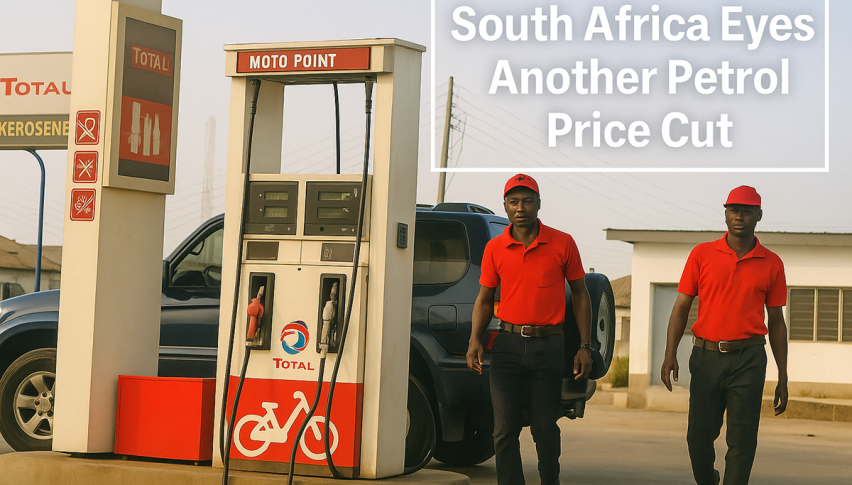
Quick overview
- South African motorists are starting 2026 with lower fuel prices, providing some relief amid high living costs.
- Diesel prices will see the largest declines, benefiting sectors reliant on transport and potentially easing inflationary pressures.
- Petrol prices will also decrease, offering modest relief for private motorists and commuters.
- The fuel price cuts are attributed to a softer global oil market and a stronger rand, but they won't fully alleviate financial strain on consumers.
In 2026, fuel prices for South African drivers are beginning to decline, offering some relief from the nation’s persistently high cost of living.
Fuel Prices Ease as the New Year Begins
South Africans are seeing a welcome reduction in fuel prices at the start of 2026, bringing some short-term relief in an environment where the cost of living remains under pressure. The Department of Mineral Resources and Petroleum confirmed that broad-based fuel price cuts will take effect on Wednesday, 7 January, reversing the sharp increases seen in December.
While the relief may not fully offset earlier hikes, the adjustments mark a positive shift for households and businesses grappling with higher transport and energy costs.
Diesel Users See the Biggest Benefit
Diesel prices are set for the largest declines, offering meaningful savings for sectors heavily dependent on transport. Wholesale diesel prices will fall by as much as R1.50 per litre, a move expected to ease operating costs across logistics, agriculture, mining, and public transport.
Lower diesel costs could also help contain second-round inflationary pressures, particularly those linked to food and goods distribution, which had been strained by higher fuel expenses toward the end of 2025.
Petrol and Paraffin Also Move Lower
Petrol prices will also decline, though by smaller margins. The retail price of petrol 93 is set to drop by 62 cents per litre, while petrol 95 will fall by 66 cents. These reductions should provide some relief for private motorists, especially commuters facing rising household expenses.
Illuminating paraffin, still used by some lower-income households for cooking and heating, will decrease by 110 cents per litre at the wholesale level. This reduction is particularly significant for vulnerable consumers who are most exposed to energy price volatility.
Fuel Price Changes for January 2026
- Petrol 93: price decreases by 62 cents per litre
- Petrol 95: price decreases by 66 cents per litre
- Diesel 0.05% (wholesale): price decreases by 137 cents per litre
- Diesel 0.005% (wholesale): price decreases by 150 cents per litre
- Illuminating Paraffin (wholesale): price decreases by 110 cents per litre
- LPGAS (Gauteng): price increases by 21 cents per kilogram
Global Oil Prices and a Stronger Rand Drive the Cuts
The latest fuel adjustments reflect a softer global oil market and a firmer rand. During the review period, the average Brent crude price declined from $63.55 to $61.50 per barrel, while U.S. WTI fell from around $61 to $57, largely due to oversupply as OPEC+ and non-OPEC producers increased output.
Although oil prices saw a brief uptick on geopolitical headlines related to Venezuela, the broader downward trend remains intact. At the same time, the rand strengthened from R17.25 to R16.75 against the dollar, lowering fuel import costs.
Outlook: Relief, But Not a Game Changer
While the fuel price cuts offer a positive start to 2026, they are unlikely to fully reverse the financial strain faced by consumers. With broader inflation pressures still present, the latest reductions provide welcome but limited breathing room rather than a lasting solution.
- Check out our free forex signals
- Follow the top economic events on FX Leaders economic calendar
- Trade better, discover more Forex Trading Strategies
- Open a FREE Trading Account





 Save
Save