Visa V, Mastercard MA Stock Tumble as Trump Credit-Rate Cap Threat Looms
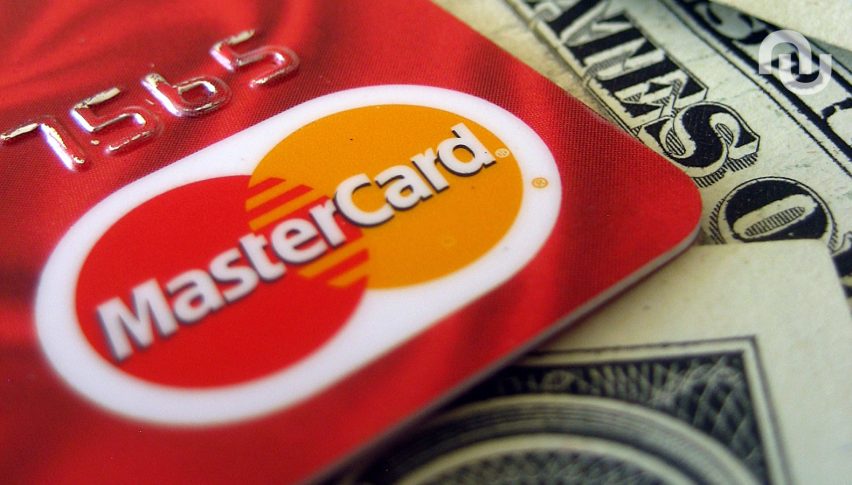
Visa and Mastercard shares declined sharply as investors reassessed new U.S. policy risks targeting credit card interest rates.
Quick overview
- Visa and Mastercard shares fell approximately 5% as investors reacted to new U.S. policy risks regarding credit card interest rates.
- President Trump's proposal for a temporary cap on credit card interest rates has raised concerns about profitability in the consumer finance sector.
- Both companies are sensitive to changes in lending behavior, which could be impacted by a forced reduction in interest rates.
- The uncertainty surrounding the proposal may lead to continued volatility for Visa and Mastercard stocks.
Visa and Mastercard shares declined sharply as investors reassessed new U.S. policy risks targeting credit card interest rates.
Card Stocks Drop as Policy Uncertainty Returns
Visa and Mastercard came under heavy selling pressure, with shares falling roughly 5% at the open, as investors reacted to renewed political risk facing the U.S. consumer finance sector. The move followed comments from U.S. President Donald Trump calling for a temporary cap on credit card interest rates, reigniting concerns about profitability across the card ecosystem.
MA Stock Chart Weekly – The 100 SMA Is Is Under Attack

While neither company issues credit directly, both benefit indirectly from robust lending activity and elevated consumer spending, making them sensitive to changes in issuer behavior.
Trump Proposal Sparks Headline Risk
Over the weekend, President Trump proposed a one-year cap on credit card interest rates at 10%, beginning January 20. Although the announcement lacked details on enforcement or legislative pathways, markets moved quickly to price in the potential implications.
The proposal aims to ease pressure on consumers facing record borrowing costs. Federal Reserve data shows the average U.S. credit card interest rate stood near 21% in November, underscoring how dramatic a reduction to 10% would be for lenders.
Credit-related stocks initially held up on Monday but sold off sharply on Tuesday as investors reassessed the longer-term implications.
Why Visa and Mastercard Are Exposed
Visa and Mastercard do not earn interest income directly, but their revenues depend heavily on transaction volumes. A forced reduction in interest rates could lead banks to tighten lending standards, reduce credit availability, or limit promotional offers—ultimately slowing spending activity.
With U.S. banks entering earnings season, the timing adds to investor caution as markets search for signs of stress in consumer credit demand.
Technical Pressure Builds
Mastercard shares fell nearly 4% to around $545 after briefly dipping to $535, placing the stock dangerously close to its 100-week simple moving average—a key technical support level. A decisive break below could expose downside toward the $500 region.
V Stock Chart Weekly – The 100 SMA Is Still Holding As Support

Visa shares slid roughly 3% to $329 and are struggling to hold above their own 100-week moving average. Failure to stabilize could open the door for a deeper retracement toward $300.
Outlook: Policy Overhang Remains
Until clarity emerges around the feasibility and scope of any rate cap, Visa and Mastercard may remain vulnerable to headline-driven volatility, despite their strong business fundamentals.
- Check out our free forex signals
- Follow the top economic events on FX Leaders economic calendar
- Trade better, discover more Forex Trading Strategies
- Open a FREE Trading Account




 Save
Save