Market Reversal: Gold, Silver, and Oil Rout as the Dollar Gains Strength
Other metals followed the same trend. Platinum fell 4.3% to $2,070.64 per ounce, after hitting a record $2,918.80 on January 26.
Quick overview
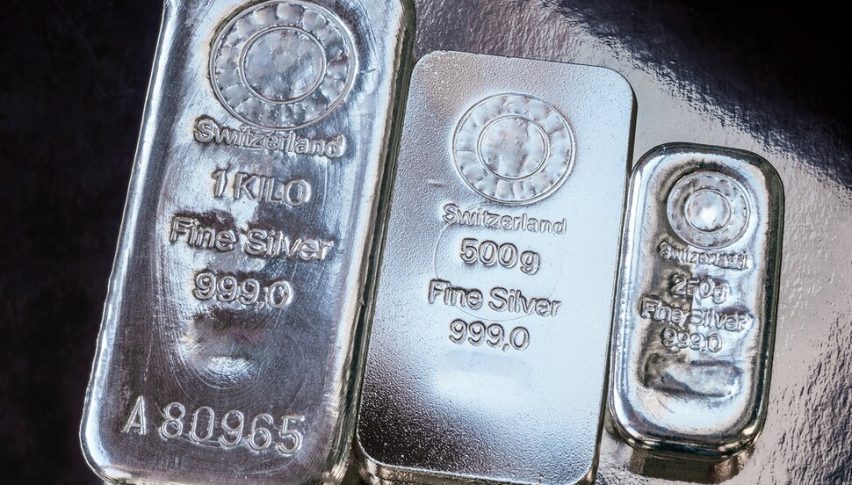
- Gold fell 3.2% and silver dropped 3.4% after weeks of record highs, driven by a stronger U.S. dollar and easing geopolitical tensions.
- Spot gold experienced a significant intraday drop of nearly 10% before recovering slightly, marking a correction from its record high of $5,594.82.
- Silver prices were particularly volatile, dropping 3.4% and nearly 33% from its all-time high reached just last week.
- The selloff was exacerbated by the CME's decision to raise margin requirements for precious-metal futures, increasing holding costs for investors.
Gold fell 3.2% and silver dropped 3.4% after weeks of record highs. Oil plunged 5% on signs of easing tensions between the U.S. and Iran and a stronger dollar.
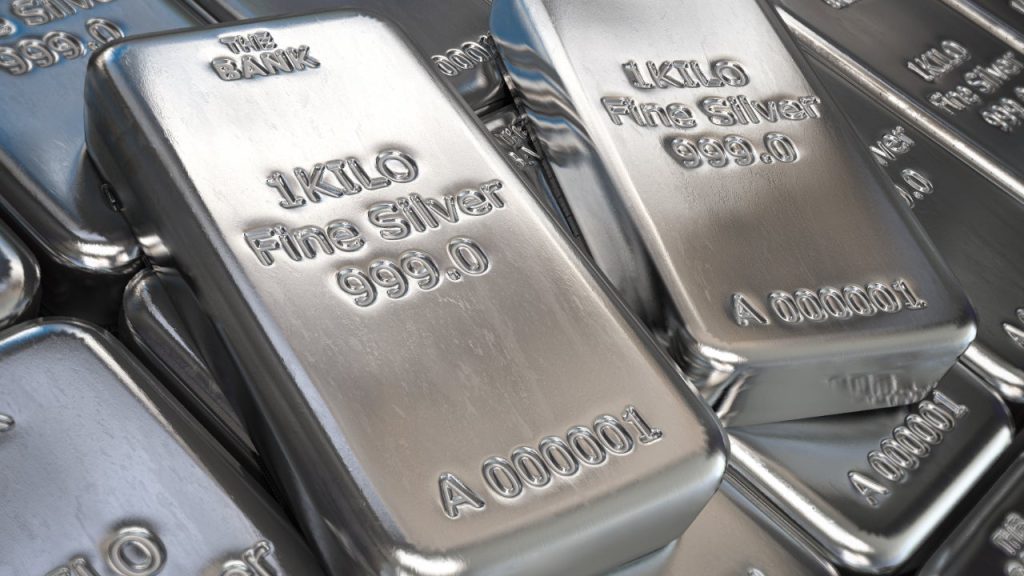
Commodity-linked financial assets posted sharp losses on Monday, amid a broad market selloff driven by a stronger U.S. dollar and signs of geopolitical de-escalation. Gold, silver, and oil led the declines after several weeks of rapid gains and repeated record highs.
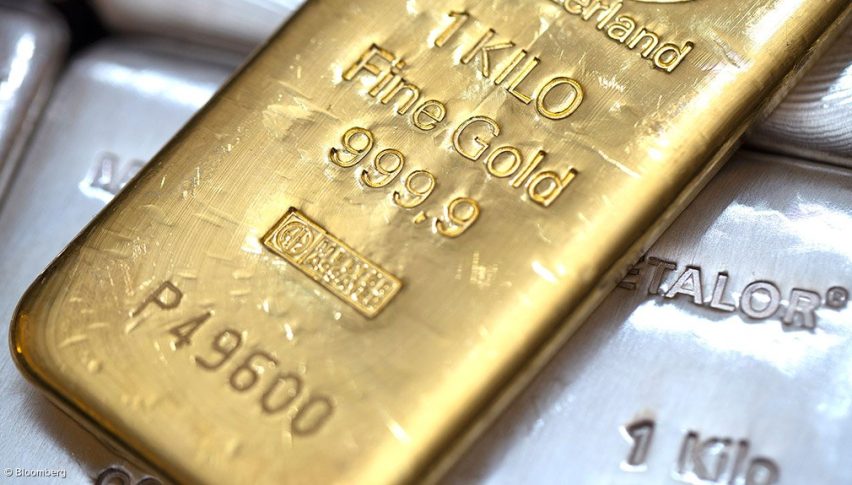
In precious metals, spot gold fell as much as nearly 10% intraday before trimming losses. By 10:08 GMT, it was down 3.2% at $4,708.19 per ounce, extending the correction that began after reaching a record $5,594.82 on January 29. Since that peak, gold has lost roughly $900, erasing a significant portion of its year-to-date gains.
The sharpest single-day drop occurred on January 30, when gold plunged more than 9.8%, marking its steepest daily decline since 1983. Meanwhile, U.S. gold futures for April delivery were down 0.3% at $4,730.40 per ounce.
Speculative Silver Moves
Silver proved even more volatile. Spot prices fell 3.4% to $81.65 per ounce, after tumbling as much as 15% earlier in the session. In cumulative terms, silver has now dropped nearly 33% from its all-time high of $121.64, reached just last week.
One of the key triggers behind the selloff was the Chicago Mercantile Exchange’s (CME) decision to raise margin requirements for precious-metal futures. The move was announced on January 30 and took effect after Monday’s market close. Analysts noted that higher margins increase the cost of holding speculative positions, forcing many investors to unwind trades.
U.S. monetary policy expectations also weighed on the market. Following the formal nomination of Kevin Warsh as the next Federal Reserve chair, investors began recalibrating their outlook. While Warsh is generally seen as supportive of rate cuts over the medium term, markets anticipate a tougher stance on balance-sheet policy, a dynamic that typically supports the dollar.
The U.S. dollar index edged higher in recent days, making dollar-denominated assets more expensive for international buyers and adding further downward pressure on precious metals.
Other metals followed the same trend. Platinum fell 4.3% to $2,070.64 per ounce, after hitting a record $2,918.80 on January 26. Palladium declined 2.1% to $1,662.68 per ounce.
- Check out our free forex signals
- Follow the top economic events on FX Leaders economic calendar
- Trade better, discover more Forex Trading Strategies
- Open a FREE Trading Account
- Read our latest reviews on: Avatrade, Exness, HFM and XM

Related Articles

Sidebar rates

Related Posts
 Save
Save
