UK Brent and US WTI Crude Oil Price Ease as Trump Eyes Iraq and Venezuela Supply Boost
Geopolitical concerns caused prices to rise dramatically, causing global oil markets to become volatile. However, prices began to decline..

Quick overview
- Global oil prices surged due to escalating tensions in the Strait of Hormuz, a critical chokepoint for oil flows.
- Prices eased as signs of potential stabilization emerged, aided by comments from President Trump regarding shipping conditions.
- The U.S. is considering easing sanctions on Venezuela, which could add 200,000 to 400,000 barrels per day to the market.
- Despite these measures, supply disruptions from Middle East tensions continue to impact global oil dynamics.
Geopolitical concerns caused prices to rise dramatically, causing global oil markets to become volatile. However, prices began to decline as there were indications of possible supply relief.
Oil Spikes on Strait of Hormuz Tensions
Global crude prices surged at the start of the week as escalating tensions around the Strait of Hormuz reignited fears of supply disruptions.
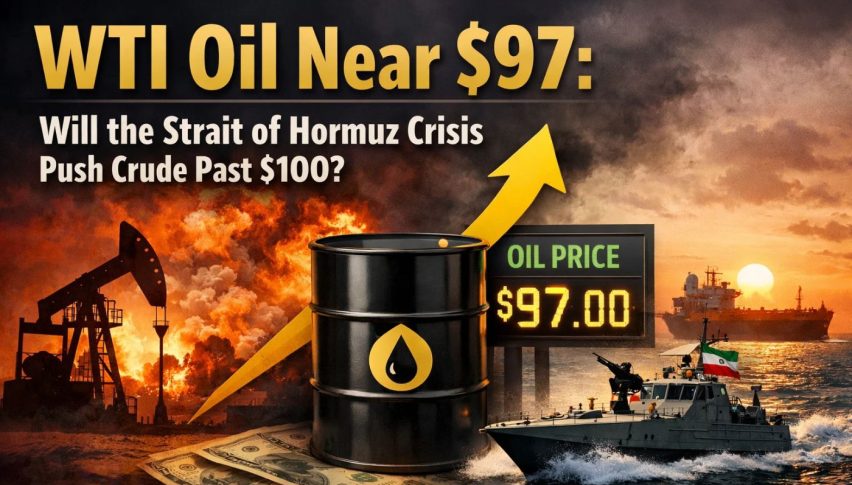
Both Brent crude and WTI futures moved sharply higher, with WTI briefly approaching the $100 level, reflecting a growing geopolitical risk premium. The Strait remains a critical chokepoint, handling roughly 20% of global oil flows, making any disruption highly sensitive for markets.
The price spike was largely driven by concerns over shipping disruptions and reduced tanker traffic, with energy markets reacting quickly to any signs of escalating conflict.
Prices Ease as De-escalation Signals Appear
Despite the early surge, oil prices pulled back on Tuesday as signs of potential stabilization emerged.
WTI crude rose to around $97.65 before easing back toward $95, while Brent slipped closer to the $100 mark. Comments from President Trump helped calm markets, as he indicated that escorting ships through the Strait may not be necessary and expressed confidence that normal shipping conditions could resume.
WTI Crude Futures Chart Daily – consolidating Below $100

He also projected that fuel prices could decline once tensions subside, contributing to the softer tone in crude markets.
Venezuela Sanctions Easing in Focus
The United States is reportedly considering easing sanctions on Venezuela to increase global oil supply.
The move reflects concerns about rising energy prices and their impact on inflation. Analysts estimate that partial sanctions relief could bring an additional 200,000 to 400,000 barrels per day to the market.
While meaningful, this increase remains relatively modest compared to global demand exceeding 100 million barrels per day, suggesting only a limited near-term impact on overall supply balance.
العراق Pipeline Deal Adds Supply Alternative
In another development, Iraq and the Kurdistan Regional Government reached an agreement to resume crude exports through the northern pipeline to Ceyhan.
This route provides an alternative to southern export channels that depend on Gulf shipping lanes. With southern flows constrained by ongoing disruptions, the northern pipeline could help restore some lost supply, with initial volumes expected around 100,000 barrels per day.
Although relatively small, the restart carries both practical and symbolic importance for global markets seeking stability.
Supply Disruptions Still Dominate
Despite these relief measures, the broader supply picture remains tight.
Disruptions linked to Middle East tensions have already reduced output from key producers, while logistical challenges continue to limit exports. The longer disruptions persist, the greater the impact on global supply and pricing dynamics.
At the same time, private inventory data has shown a larger-than-expected crude build, adding another layer of short-term pressure on prices.
Outlook: Oil markets remain highly sensitive to geopolitical developments. While recent signals point to potential easing through additional supply and stabilizing shipping conditions, underlying risks have not fully disappeared.
In the near term, prices may remain volatile, balancing between geopolitical risk premiums and incremental supply relief, with direction largely dependent on how quickly normal flows through key routes resume.
- Check out our free forex signals
- Follow the top economic events on FX Leaders economic calendar
- Trade better, discover more Forex Trading Strategies
- Open a FREE Trading Account
- Read our latest reviews on: Avatrade, Exness, HFM and XM

Related Articles
Sidebar rates

Related Posts
 Save
Save