Gold suffered a historic selloff, as rising yields, a stronger dollar, and shifting macro expectations overwhelmed its traditional safe-haven appeal.
gold
Gold Price Forecast: Can XAU Rebound after 10% Weekly Fall as Markets Shift Focus?
Gold suffered a historic selloff, as rising yields, a stronger dollar, and shifting macro expectations overwhelmed its traditional...
•
Last updated: Monday, March 23, 2026

Quick overview
- Gold prices experienced a historic selloff, plunging over 10% last week, marking the largest weekly decline since 1983.
- The decline was driven by a stronger U.S. dollar and shifting macroeconomic expectations, diminishing gold's traditional safe-haven appeal.
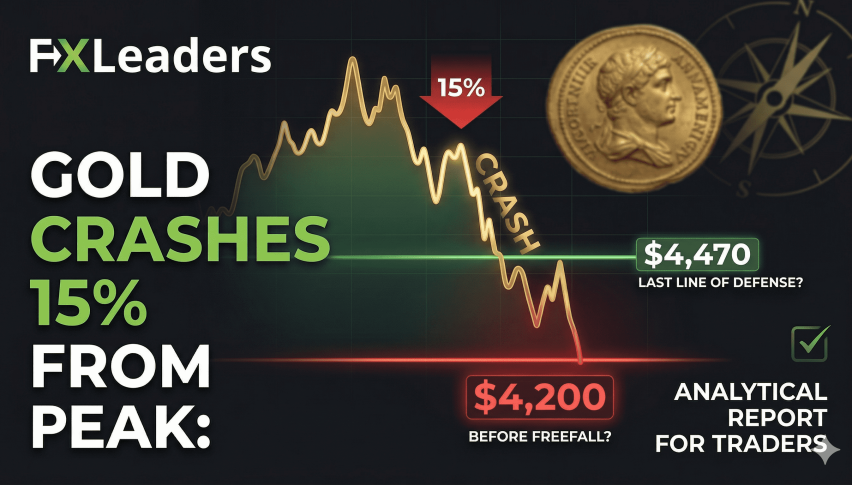
- Geopolitical tensions that previously boosted gold demand have instead contributed to its recent downturn, with prices falling more than 15% since late February.
- Despite the sharp decline, strong central bank demand, particularly from China, provides a structural support for gold prices.
Live GOLD Chart
GOLD

0.0000
MARKETS TREND
Historic Selloff Shakes Gold Market
Gold prices plunged more than 10% last week, marking the largest weekly decline since 1983 and one of the sharpest drops in modern market history. Prices fell to around $4,488 per ounce, wiping out over $2 trillion in market value in just a few days.
This decline exceeded earlier sharp moves, including the late-January drop from roughly $5,320 to $4,650, signaling a major shift in market dynamics. The scale and speed of the selloff have caught many investors off guard.
Geopolitics No Longer Supporting Prices
Since late February, when tensions escalated with U.S.-Israeli strikes on Iran, gold has fallen more than 15%. This is a notable reversal from earlier behavior, when geopolitical uncertainty typically boosted demand for the metal.
Instead of acting as a safe haven, gold is now reacting negatively to the broader macro environment shaped by those same geopolitical developments.
Dollar Strength and Fed Policy Drive Decline
A key factor behind the drop is the strengthening U.S. dollar. Rising oil prices are increasing global demand for dollars, as energy is priced in USD. This dynamic has pushed the dollar higher, creating headwinds for gold.
At the same time, Jerome Powell signaled a more hawkish stance from the Federal Reserve, warning that inflation could rise again. As a result, market expectations for a rate cut in May have dropped sharply from 60% to just 16%.
Higher interest rates reduce the appeal of non-yielding assets like gold, further accelerating the selloff.
Technical Damage — But a Crucial Hold
Technically, the correction was severe. Gold broke decisively below its 20-day simple moving average, ending a streak of consistent trend support. Attention quickly shifted to the 50-day moving average near $5,000 which was also broken last week and now markets and now markets are eyeing the early February low of $4,400.
Crucially, that level has to hold for the trend to remain bullish and buyers to remain in charge, otherwise the panic might set in if the price falls toward $4,000.
Gold Chart Daily – MAs Continue to Support on Pullbacks

The ability to hold above $4,400 carries psychological importance. Reclaiming such a major round-number threshold often stabilizes sentiment, especially after a period of forced liquidation. While volatility remains elevated, the ability to defend longer-term trend support suggests that structural buyers remain active.
Central Bank Buying Provides Support
Despite the sharp decline, long-term fundamentals remain supported by strong central bank demand. The People’s Bank of China has extended its gold-buying streak to 16 consecutive months, continuing efforts to diversify reserves.
China’s holdings have reached 74.22 million troy ounces, valued at nearly $387 billion. This sustained accumulation provides a structural floor for gold prices, even during periods of volatility.
Conclusion: Gold’s sharp decline reflects a shift from geopolitical-driven buying to macro-driven selling, with dollar strength and rising rate expectations dominating sentiment. While short-term pressure may persist, strong central bank demand suggests the longer-term outlook remains supported despite the recent shock.
- Check out our free forex signals
- Follow the top economic events on FX Leaders economic calendar
- Trade better, discover more Forex Trading Strategies
- Open a FREE Trading Account
- Read our latest reviews on: Avatrade, Exness, HFM and XM
ABOUT THE AUTHOR
See More

Skerdian Meta
Lead Analyst
Skerdian Meta Lead Analyst.
Skerdian is a professional Forex trader and a market analyst. He has been actively engaged in market analysis for the past 11 years. Before becoming our head analyst, Skerdian served as a trader and market analyst in Saxo Bank's local branch, Aksioner. Skerdian specialized in experimenting with developing models and hands-on trading. Skerdian has a masters degree in finance and investment.
Related Articles

Sidebar rates

Related Posts
 Save
Save