Unbearable Fuel Price Increase Hits South Africans, Diesel Soars, Petrol Follows Closely
Fuel prices for South African drivers are expected to increase due to rising oil prices, a declining rand, and geopolitical concerns.
Quick overview
- South African motorists are facing a significant increase in fuel prices, with petrol and diesel expected to rise sharply due to rising oil prices and a weaker rand.
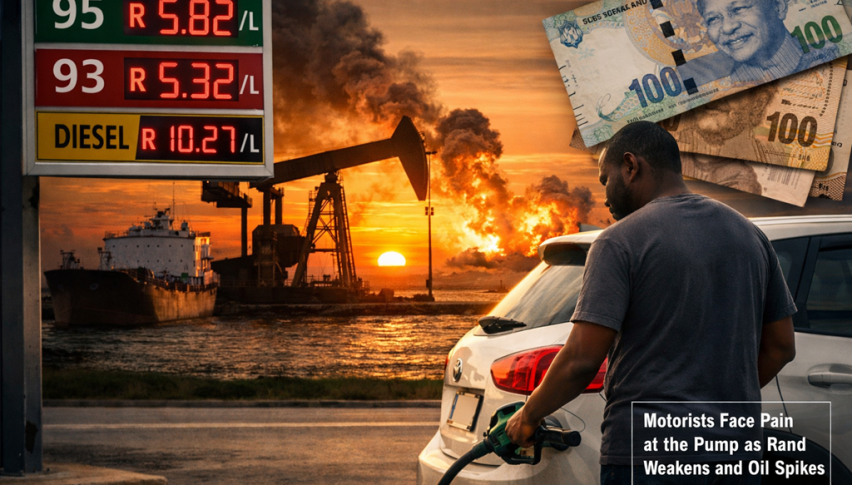
- 95-octane petrol may increase by R5.82 per litre, while diesel prices could surge by R10.27 per litre, excluding an additional fuel levy.
- The financial strain on households is immediate, with filling a standard 60-litre tank costing approximately R360 more.
- Geopolitical tensions and a weakened rand are compounding the situation, leading to concerns about sustained high fuel costs and their impact on the economy.
Fuel prices for South African drivers are expected to increase due to rising oil prices, a declining rand, and geopolitical concerns.
Fuel Prices Set for Sharp Increase
South Africa is bracing for a steep rise in fuel costs, with new data from the Central Energy Fund pointing to significant increases across petrol and diesel prices.
- 95-octane petrol is expected to rise by around R5.82 per litre
- 93-octane petrol may increase by approximately R5.32 per litre
- Diesel prices could surge by as much as R10.27 per litre
These increases exclude an additional fuel levy hike of roughly 21 cents per litre, further adding to the burden on consumers.
With fuel prices adjusted on the first Wednesday of each month, motorists will feel the full impact on April 1—marking one of the largest increases in the country’s history.
Household Impact Intensifies
For the average driver, the financial strain is immediate. A standard 60-litre fuel tank could now cost roughly R360 more to fill, placing additional pressure on already stretched household budgets.
The combination of rising fuel costs and broader inflation concerns is likely to ripple through the economy, affecting transport, food prices, and overall living expenses.
Supply Remains Stable but Under Pressure
The Fuels Industry Association of South Africa has reassured consumers that fuel supply remains stable, with adequate availability of key petroleum products.
However, underlying pressures persist:
- Diesel supply is particularly tight ahead of the price adjustment
- Increased demand at service stations is straining distribution
- Limited road tanker availability is causing delivery delays and occasional stock shortages
Additionally, the temporary shutdown of a major Cape Town refinery—expected to last until mid-April—has added to logistical challenges, although imports have been arranged to prevent widespread disruptions.
Geopolitics and Currency Add Pressure
The surge in fuel prices is largely driven by escalating geopolitical tensions in the Middle East, which have disrupted global oil flows. The Strait of Hormuz, a critical route for oil shipments, has effectively been shut down, pushing crude prices sharply higher.
At the same time, the South African rand has weakened significantly, trading around R17.21 to the U.S. dollar—down roughly 7% since late February. A weaker currency makes imported fuel more expensive, compounding the impact of rising oil prices.
Conclusion: A Costly Combination for Consumers
South Africa is facing a perfect storm of higher oil prices, currency weakness, and supply pressures. While fuel availability remains intact, the financial burden on motorists is set to rise sharply.
Unless there is a meaningful pullback in oil prices or a recovery in the rand, elevated fuel costs could persist, keeping pressure on both consumers and the broader economy in the weeks ahead.
- Check out our free forex signals
- Follow the top economic events on FX Leaders economic calendar
- Trade better, discover more Forex Trading Strategies
- Open a FREE Trading Account
- Read our latest reviews on: Avatrade, Exness, HFM and XM

Related Articles


Sidebar rates

Related Posts
 Save
Save
