Oil Prices Go From Surge to Crash: WTI Crude Heads Under $80 Soon on US–Iran Deal
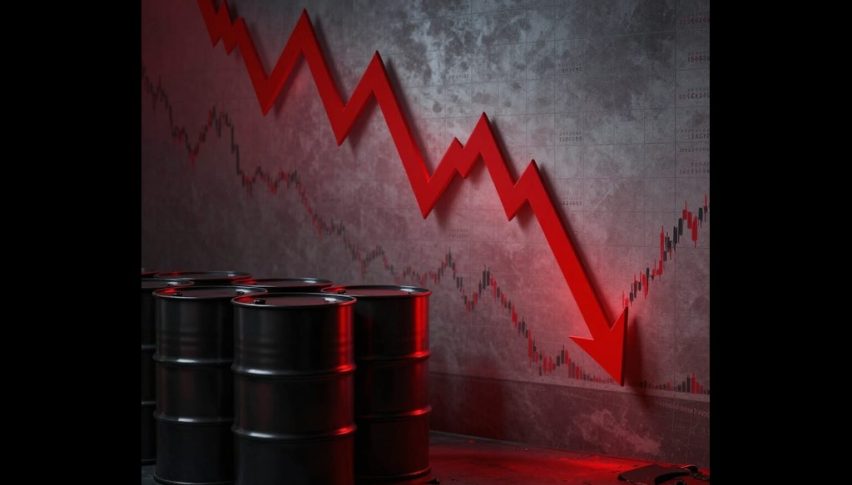
WTI Crude Oil surged to multi-year highs before sharply reversing as ceasefire hopes between United States and Iran reshaped market...
Quick overview
- WTI Crude Oil reached multi-year highs around $118 before sharply reversing to below $110 due to ceasefire hopes between the U.S. and Iran.
- The market reacted to reports of a potential diplomatic breakthrough, leading to heavy selling and a decline toward the $91–$94 range.
- Despite the recent pullback, oil prices remain elevated compared to pre-conflict levels, indicating a lingering risk premium in the market.
- The future direction of oil prices will depend on the success of ceasefire negotiations and the potential normalization of supply routes.
Live USOIL Chart

WTI Crude Oil surged to multi-year highs before sharply reversing as ceasefire hopes between United States and Iran reshaped market sentiment.
Oil Rally Peaks Before Rapid Reversal
WTI Crude Oil extended its strong rally early in the week, climbing to around $118—its highest level in years and a peak not seen since 2022. The surge was driven by escalating geopolitical tensions and fears of supply disruptions across key global routes.
WTI Chart Daily – A Strong Bearish Reversal

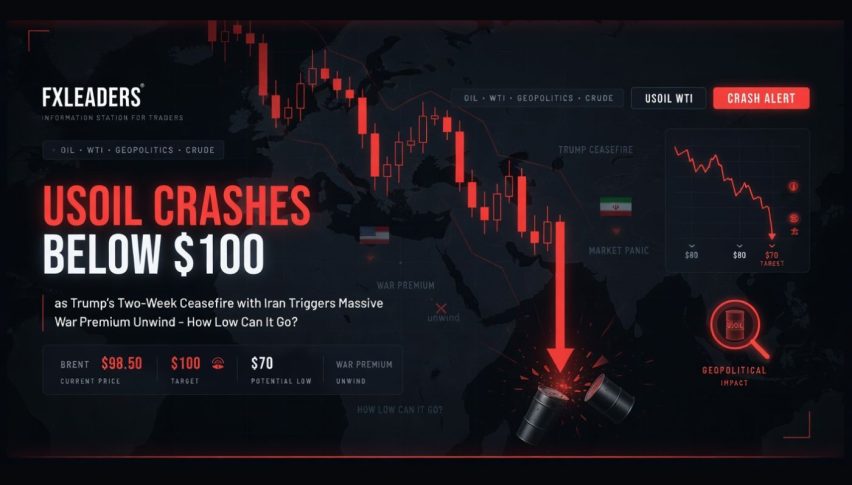
However, the rally proved short-lived. Prices quickly reversed course, dropping below $110 and continuing lower toward the $91–$94 range as fresh signals pointed to a possible diplomatic breakthrough. News of a proposed two-week ceasefire between the United States and Iran accelerated the decline, triggering heavy selling across the energy market.
Ceasefire Hopes Shift Market Sentiment
Markets reacted swiftly to reports suggesting that tensions could ease. Headlines indicated that Iran may reopen the Strait of Hormuz and re-engage in negotiations, while U.S. officials signaled cautious optimism around upcoming talks.
Although details remain uncertain, even the possibility of de-escalation was enough to shift sentiment dramatically. Oil markets, which had priced in worst-case supply scenarios, rapidly unwound risk premiums as traders reassessed the likelihood of prolonged disruption.
Volatility Highlights Geopolitical Sensitivity
The sharp move lower underscores how sensitive oil prices remain to geopolitical developments. The Strait of Hormuz, a critical artery for global energy flows, remains central to the outlook, and any perceived change in its status can trigger outsized market reactions.
Despite the pullback, prices remain significantly elevated compared to pre-conflict levels near $61, indicating that a substantial risk premium is still embedded in the market. This suggests that while sentiment has improved, uncertainty has not fully dissipated.
Outlook Depends on Diplomatic Follow-Through
Looking ahead, the direction of oil prices will largely depend on whether ceasefire efforts translate into sustained de-escalation. A continued easing of tensions could push prices lower, especially if supply routes normalize.
However, any breakdown in negotiations or renewed escalation could quickly reverse the current trend. For now, the oil market remains caught between geopolitical risk and fragile optimism, with volatility likely to persist in the near term.
- Check out our free forex signals
- Follow the top economic events on FX Leaders economic calendar
- Trade better, discover more Forex Trading Strategies
- Open a FREE Trading Account
- Read our latest reviews on: Avatrade, Exness, HFM and XM

Related Articles
Sidebar rates

Related Posts
 Save
Save