South African Rand: USD/ZAR Heads to R17 Again as Talks Fail But Can It Break Above?
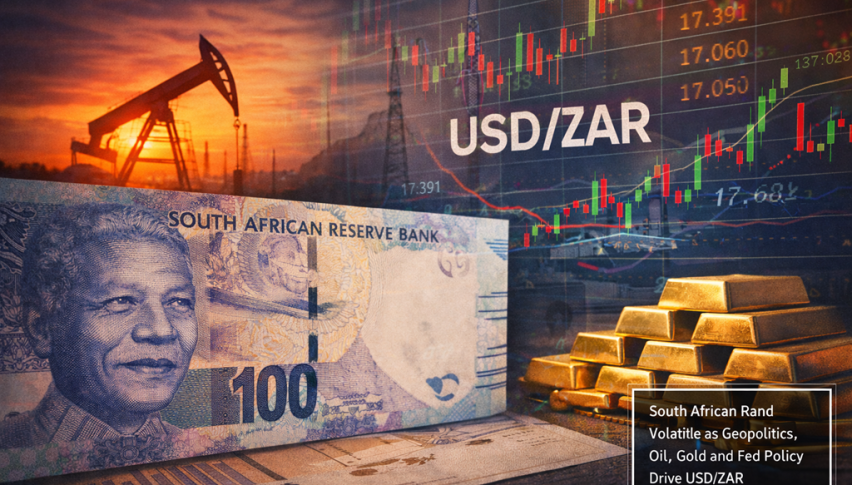
As rising oil costs, a stronger dollar, and shaky geopolitics push USD/ZAR back toward the crucial R17 level, the South African rand is once
Quick overview
- The South African rand is facing renewed pressure as rising oil prices and a stronger dollar push USD/ZAR back toward the R17 level.
- After starting 2026 with strong momentum, the rand's trend has reversed due to increased risk aversion among investors.
- Geopolitical uncertainty, particularly regarding the Middle East, continues to drive volatility in currency markets.
- The South African Reserve Bank maintains a cautious stance on interest rates, balancing growth support with global inflation risks.
As rising oil costs, a stronger dollar, and shaky geopolitics push USD/ZAR back toward the crucial R17 level, the South African rand is once again under pressure.
Rand Reversal After Early-2026 Strength
The South African rand began 2026 with strong momentum, supported by improved global risk appetite and capital inflows into emerging markets. During this period, USD/ZAR dropped into the mid-R15 range, reflecting optimism across global markets.
However, that trend has reversed sharply. The pair has climbed back toward R17 as investors rotate into safer assets, signaling a shift toward risk aversion. Although buyers initially failed to break decisively above this level last week—triggering a temporary pullback following ceasefire optimism—the U.S. dollar regained strength over the weekend as negotiations between the United States and Iran stalled.
Geopolitical Uncertainty Drives Volatility
Global sentiment remains highly sensitive to developments in the Middle East. Initial optimism surrounding a ceasefire helped stabilize markets, supporting both equities and risk-sensitive currencies like the rand.
That stability proved short-lived. Renewed uncertainty emerged after talks failed to produce a concrete agreement, keeping markets on edge. President Donald Trump further added to concerns by signaling a more aggressive stance on Iran, including potential actions affecting the Strait of Hormuz.
Given the region’s importance to global energy supply, unresolved issues around nuclear policy, shipping access, and sanctions continue to drive volatility across currencies and commodities.
Technical Analysis
Technically, we saw a bullish attempt in USD/ZAR which briefly broke above R16.40 earlier in February, moving above its 20-day simple moving average (gray), which had been defining the pair’s downtrend in recent months. However, the 50-day moving average (yellow) acted as firm resistance. The rejection at this level triggered a reversal, pushing USD/ZAR back below to the 20-day average, which turned into support.
USD/ZAR Chart Daily – MAs Keeping the Pressure to the Downside

The increased tensions, the jump in the USD and in Oil prices, has weakened the Rand and USD/ZAR soared higher and was testing the 200 daily SMA (purple) on Monday as USD/ZAR opened with a gap higher and now has moved above R17.
USD/ZAR Chart Monthly – Rebounding Off the 100 SMA

On the monthly chart, USD/ZAR seems to have bottomed at the 100 SMA (green) where it found support in the last two months. This month we’re seeing a rebound as the Rand weakens while the Dollar gains, but buyers are facing the 50 SMA (yellow) now. For the larger trend to resume, USD/ZAR would need to push above this moving average.
Dollar Strength and Fed Policy Weigh on the Rand
A major driver behind the rand’s weakness is the resurgence of the U.S. dollar.
Comments from Jerome Powell have reinforced expectations that U.S. interest rates will remain higher for longer, as inflation risks persist. Updated projections show inflation holding near 2.7%, steady growth, and a stable labor market.
Higher U.S. yields increase the attractiveness of dollar-denominated assets, drawing capital away from emerging markets. This dynamic has been a key factor pushing USD/ZAR higher in recent weeks.
SARB Maintains a Cautious Stance
The South African Reserve Bank has kept its policy rate unchanged, holding the repo rate at 6.75% and the prime rate at 10.25%.
While the decision was expected, policymakers maintained a cautious tone, leaving the door open for potential rate hikes if inflation pressures intensify. The central bank continues to balance the need to support growth with the risks posed by global volatility and imported inflation.
Commodity Pressures Add Complexity
Commodity trends are providing mixed signals for the rand.
Rising oil prices are increasing import costs and adding to inflationary pressures, weakening the currency. At the same time, gold—traditionally supportive for the rand—has struggled following its recent selloff, reducing a key buffer.
This combination leaves the rand more exposed to external shocks, particularly those driven by global energy markets.
Technical Outlook: R17 Remains the Key Battleground
From a technical perspective, USD/ZAR is testing a critical resistance zone near R17.
A sustained breakout above this level could open the path toward R20, signaling further rand weakness. On the other hand, failure to hold above R17 may trigger another pullback toward the R15 range.
The next move will likely depend on a combination of macroeconomic data, Federal Reserve signals, and geopolitical developments, all of which continue to shape market direction.
- Check out our free forex signals
- Follow the top economic events on FX Leaders economic calendar
- Trade better, discover more Forex Trading Strategies
- Open a FREE Trading Account
- Read our latest reviews on: Avatrade, Exness, HFM and XM

Related Articles



Sidebar rates

Related Posts
 Save
Save