South African Rand: USD/ZAR Heads to R15 as the Rebound Fails Again and Gold Retakes $5,000
The South African rand has started 2026 on firm footing, but shifting commodity prices, central bank caution, and fragile global liquidity..
Quick overview
- The South African rand began 2026 strong, buoyed by a weaker U.S. dollar and firm commodity prices, but faced volatility due to shifting market conditions.
- A sharp decline in gold prices led to a significant reversal in the rand's value, highlighting its sensitivity to commodity price fluctuations.
- The South African Reserve Bank maintained its repo rate amid contained inflation, reflecting cautious optimism despite underlying economic challenges.
- While recent developments have improved sentiment towards South African assets, structural issues and global liquidity conditions remain critical factors influencing the rand's stability.
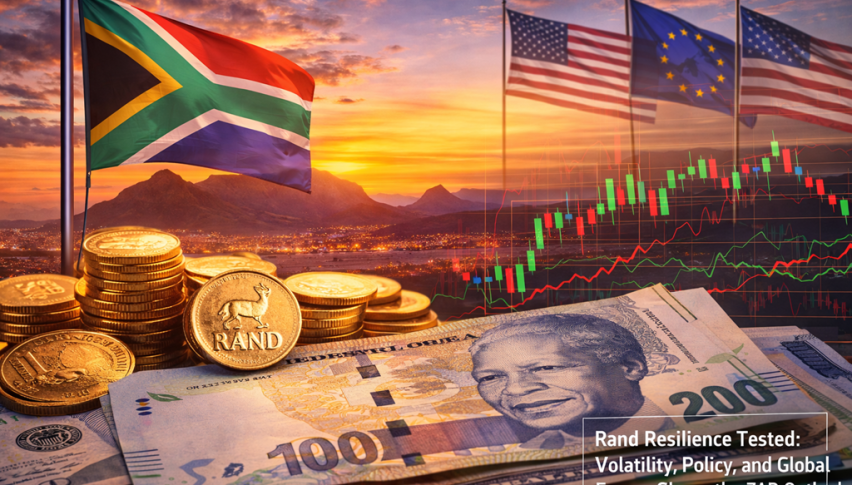
The South African rand has started 2026 on firm footing, but shifting commodity prices, central bank caution, and fragile global liquidity conditions are testing whether recent gains can be sustained.
Rand Starts 2026 on a Strong Note, Volatility Quickly Returns
The South African rand entered the new year with notable momentum, benefiting from a softer U.S. dollar, firm commodity prices, and renewed inflows into higher-yielding emerging market assets. By the end of January, USD/ZAR had slipped to around R15.64, raising optimism that the currency could push closer to the psychologically important R15 level.
That optimism, however, proved fragile. A sharp correction in precious metals triggered a swift reversal in sentiment. As gold prices collapsed from near-record highs, USD/ZAR rebounded aggressively, spiking to R16.43 early last Friday. The move highlighted how tightly the rand remains linked to commodity price swings and global risk appetite. Later the same day, as gold stabilized and rebounded, the rand recovered part of its losses, pulling USD/ZAR back toward R16, underscoring the currency’s sensitivity to fast-moving external drivers.
Gold and the Rand Absorb a Shock, Then Stabilise
Friday’s price action captured the rand’s current dilemma. Gold and silver prices fell sharply, with gold dropping below $4,600 after previously trading close to $6,000. The sell-off weighed heavily on commodity-linked currencies, including the rand.
Additional pressure came from renewed speculation around U.S. monetary policy. Markets began to price in the risk that the Federal Reserve could tilt more hawkish under a potential new chair, supporting the dollar. At the same time, bipartisan progress toward avoiding a U.S. government shutdown reduced near-term political risk, further boosting the greenback.
USD/ZAR Chart Daily – MAs Keeping the Pressure to the Downside

Technically, USD/ZAR briefly broke above R16.40, moving above its 20-day simple moving average, which had been defining the pair’s downtrend in recent months. However, the 50-day moving average acted as firm resistance. The rejection at this level triggered a reversal, pushing USD/ZAR back below the 20-day average and returning the broader downtrend into play. This price behavior suggests that while volatility has increased, bearish momentum in USD/ZAR has not yet been decisively broken.
SARB Holds Steady as Inflation Remains Contained
On the domestic policy front, the South African Reserve Bank (SARB) opted to keep its repo rate unchanged at its January 29 meeting. The decision reflected confidence that inflation remains well-anchored within the revised target framework.
Headline inflation averaged 3.2% in 2025, the lowest level in over two decades, before edging higher to 3.6% in December. While this uptick does not threaten price stability, it complicates the outlook for further near-term rate cuts, particularly given the rand’s recent strength.
Policymakers appear focused on maintaining credibility and avoiding policy missteps that could reignite inflationary pressures. Domestic liquidity data paints a mixed picture: M3 money supply growth slowed slightly in December, while private sector credit growth accelerated, indicating that borrowing demand remains robust despite subdued inflation. This balance reinforces SARB’s cautious stance.
Bond Market Signals Conditional Confidence
South African government bonds have echoed this cautious optimism. The benchmark 2035 bond yield declined by roughly 9 basis points to around 8.165%, signaling increased foreign appetite for local debt. Lower yields suggest growing confidence in South Africa’s inflation trajectory and the SARB’s policy discipline.
That confidence, however, is highly conditional. Bond inflows are driven as much by global liquidity and yield differentials as by domestic fundamentals. Any shift in global risk sentiment, U.S. rate expectations, or dollar strength could quickly reverse these flows, leaving the rand exposed to renewed pressure.
Domestic Developments Offer Support, But Structural Risks Persist
Several local developments have helped improve sentiment toward South African assets. The country recorded a R37.7 billion trade surplus in November, its largest since March 2022, supported by strong exports of precious metals. In November, S&P upgraded South Africa’s sovereign rating to BB–, the first upgrade in two decades, reflecting improved fiscal management. Additionally, South Africa’s removal from the EU’s high-risk jurisdiction list, following its exit from the FATF grey list, has reduced perceived compliance and financial risks.
Despite these positives, deep-seated structural challenges remain. Energy supply constraints, logistics inefficiencies, and persistently high unemployment continue to limit long-term growth potential. Uncertainty around potential changes to AGOA trade preferences also poses a risk to export performance and investor confidence.
Global Liquidity Remains the Key Driver
Ultimately, the rand’s recent strength has been underpinned by a weaker U.S. dollar and expectations of easier global financial conditions. Improved liquidity and declining U.S. yields have encouraged capital flows into higher-yielding, commodity-linked currencies, allowing USD/ZAR to retreat sharply from its 2025 highs near R20.
History suggests such rallies can be fragile. A resurgence in U.S. inflation, renewed dollar strength, or a spike in global risk aversion could quickly unwind recent gains. As 2026 unfolds, the rand’s path will likely depend less on domestic improvements and more on whether global liquidity conditions remain supportive—or abruptly turn less forgiving.
Inflation and Policy Risks Remain Central
Headline inflation’s modest rise to 3.6% in December tempers expectations for aggressive rate cuts, leaving the SARB with a delicate balancing act. Any surprises in domestic data or shifts in policy expectations—especially from the U.S.—could cause the rand to fluctuate sharply.
- Check out our free forex signals
- Follow the top economic events on FX Leaders economic calendar
- Trade better, discover more Forex Trading Strategies
- Open a FREE Trading Account
- Read our latest reviews on: Avatrade, Exness, HFM and XM

Related Articles
Sidebar rates

Related Posts
 Save
Save