Major Gains for Natural Gas on Iran Conflict
Natural gas futures moved upward quickly on Tuesday as a result on ongoing conflict between Iran and The United States.
Quick overview
- LNG prices in the U.S. surged 5.47% to $3.11 per MMBtu amid escalating conflict in the Middle East.
- The crisis, triggered by missile attacks and the assassination of the Iranian Ayatollah, has raised concerns about gas supply inventories.
- Shipping routes, particularly through the Strait of Hormuz, face potential blockages, which could further increase LNG prices.
- Iran's LNG production has halted, limiting global supply by approximately 20% and potentially impacting Asian and European markets.
As gas supplies are at risk due to Middle East fighting, LNG prices in the United States have climbed quickly, gaining 5.47% on Monday to hit $3.11 Per MMBtu.
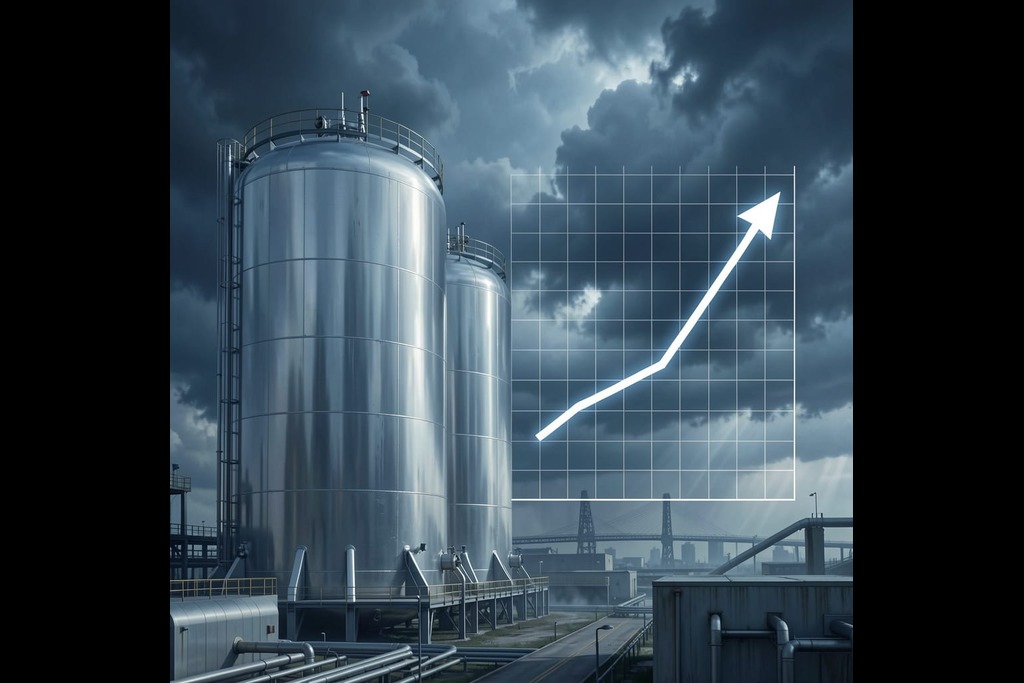
Natural gas futures are back to their mid-February high after conflict broke out between Iran and the United States and Israel. Multiple missile attacks and the assassination of the Iranian Ayatollah have created a crisis in the Middle East that has the gas market wondering if inventories are in peril.
That fighting may continue for weeks and could bring gas prices much higher through March. Global supplies of LNG will likely feel the pinch as shipping routes and production plants are shut down or hindered.
Will There Be an Energy Crisis?
Some analysts have already raised the alarm over a possible energy crisis similar to what happened back in 2022 as the Covid-19 pandemic led to diminished supplies and much higher prices across the energy sector. We are already seeing price hikes affecting global sales, and the sharp increase in the United States is indicative of what is happening elsewhere.
Shipping services may run into severe blockages after the Iranian government promised to burn ships that passed through the Strait of Hormuz. That waterway accounts for close to 20% of all LNG shipments globally, and we anticipate much higher LNG rates if Iran does attack ships in that area.
The 5% increase on LNG gas for Tuesday is one of the largest jumps we have seen in the industry in weeks and rivals the late January price hikes that followed severe winter storms across the United States. The current situation has the potential to push prices much higher due to relatively elevated demand for LNG in cold areas of the world as well as a potentially quickly dwindling supply.
Inventories are not quite at the five-year average at the moment, running about 0.3% below that average, but they could rapidly deplete if shipments are delayed or destroyed. The United States has made no promises to end the conflict quickly, and President Donald Trump said that the fighting could possibly continue for weeks.
LNG production in Iran has been put on pause as the country deals with the crisis, and that has limited the supply of LNG around the world by around 20%. Growth in the energy sector could be stymied as a result, and that could affect Asian and European markets especially. The U.S. LNG market is still seeing strong export sales but decreasing local demand for natural gas as the weather warms across the country.
- Check out our free forex signals
- Follow the top economic events on FX Leaders economic calendar
- Trade better, discover more Forex Trading Strategies
- Open a FREE Trading Account
- Read our latest reviews on: Avatrade, Exness, HFM and XM

Related Articles


Sidebar rates

Related Posts
 Save
Save