Gold Hits Nine-Session Slump: Mideast Tensions Stoke Inflation
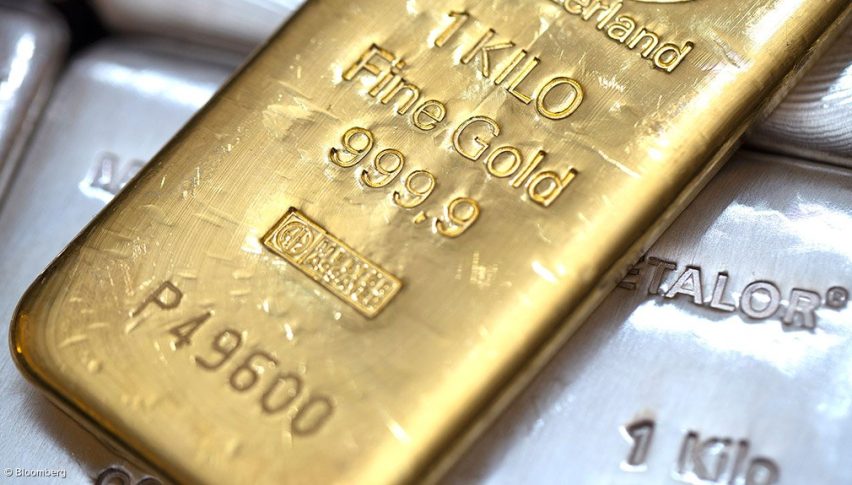
Gold fell for a ninth day as the Middle East conflict increased inflation risk and raised expectations of higher interest rates, wiping out this year's gains.
Quick overview
- Gold prices have fallen for nine consecutive days, erasing all gains made this year due to rising inflation risks and expectations of higher interest rates.
- Silver has also seen a significant decline, dropping over ten percent, while spot gold fell nearly 8.8% to around $4,100 per ounce.
- Investor panic and forced selling to offset losses in other areas have contributed to the rapid decline in bullion prices.
- Market analysts note that the current selloff pace is unprecedented compared to historical trends during previous economic shocks.
Gold fell for a ninth day as the Middle East conflict increased inflation risk and raised expectations of higher interest rates, wiping out this year’s gains.
Silver fell by over ten percent. Spot gold fell as much as 8.8% to almost $4,100 per ounce. Expectations of rate increases by the US Federal Reserve and other central banks have risen since the start of the conflict amid rising energy prices. Non-yielding gold, which recently recorded its largest weekly decline since 1983, is facing this challenge.
Crude was trading close to its highest close since mid-2022, and equity markets were likewise erratic during gold’s turbulent session. Three weeks have passed since the war started in February. 28, forced selling by investors looking to offset losses in other areas of their portfolios has contributed to bullion’s decline.
Wayne Gordon, an investment advisor at UBS Group AG’s wealth management division, stated, “The size of the gold selloff is not unprecedented, but the pace of the selloff has been much quicker than on many historical occasions.”
US President Donald Trump issued a two-day deadline over the weekend for Iran to reopen the Strait of Hormuz or face having its power plants bombed. Iran retorted that if its power plants were attacked, it would “completely” shut down the vital waterway and target infrastructure related to energy, information technology, and desalination.
David Wilson, director of commodities strategy at BNP Paribas SA, stated that bullion’s response “to the current macro-economic shock has a clear market precedent.”. “Gold initially fell as markets reacted to news flow, with investors typically selling assets to hold the US dollar, if you look at all three previous economic-shock cycles – in 2008, 2020, and 2022,” he stated.
The 14-day relative-strength index for bullion, which measures momentum, continued to decline below 30, a level that some traders believe signals an oversold situation. According to weekly US government data released on Friday, hedge funds and other major speculators increased their net-long position for gold to the highest level in seven weeks as of March 17.
- Check out our free forex signals
- Follow the top economic events on FX Leaders economic calendar
- Trade better, discover more Forex Trading Strategies
- Open a FREE Trading Account
- Read our latest reviews on: Avatrade, Exness, HFM and XM

Related Articles

Sidebar rates

Related Posts
 Save
Save