Wall Street Closes Higher as Oil Falls on Signs of Middle East De-escalation
A spokesperson for Iran’s Foreign Ministry dismissed claims of any dialogue, stating that the country’s position remains unchanged.

Quick overview
- U.S. equities closed higher on March 23, driven by optimism over potential de-escalation in the Middle East following comments from Donald Trump.
- Trump indicated that U.S.-Iran talks were productive and ordered a delay on military strikes, but Iranian authorities denied any direct negotiations.
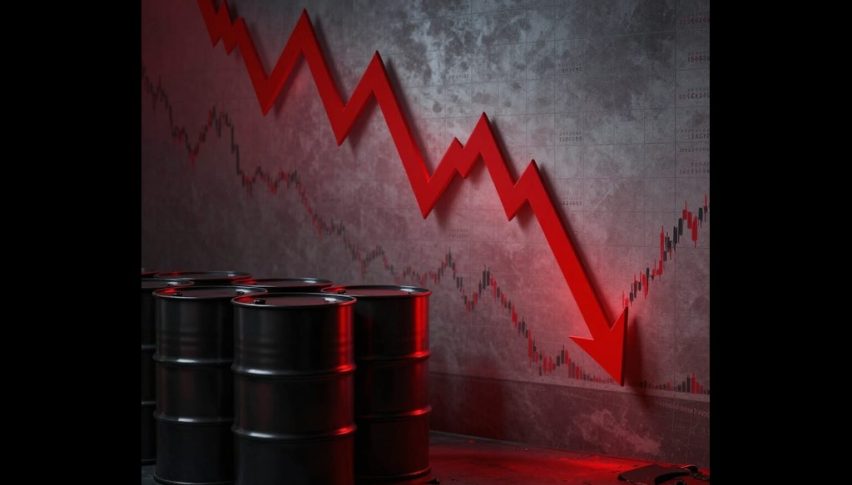
- The Dow Jones Industrial Average rose 1.38%, while oil prices declined amid the market rally.
- Experts suggest the Federal Reserve should avoid changing monetary policy based on short-term developments related to the ongoing conflict.
Comments from Donald Trump were the key driver of the session, although the initial momentum faded after a denial from Iranian authorities.

U.S. equities closed higher on Monday, March 23, extending gains throughout the session as expectations of a potential de-escalation in the Middle East lifted global markets.
Wall Street rallied sharply while oil prices declined following remarks by Trump, who said the United States and Iran had held talks and that there was a “very serious chance of reaching a deal.” However, investor optimism cooled after Tehran denied the claims.
Against this backdrop, the Dow Jones Industrial Average rose 1.38% to 46,208.53, the S&P 500 gained 1.33% to 6,586.77, and the Nasdaq Composite advanced 1.38% to 21,946.76.
Genuine progress or market signal?
In a social media post, Trump said that talks over the past two days aimed at reaching a “complete and definitive solution” to hostilities had been “productive.”
“Based on the tone of these discussions,” which are set to continue throughout the week, Trump said he had ordered the Pentagon to “delay all military strikes” on Iranian power plants and energy infrastructure for five days.
“We have a very serious chance of reaching a deal. That guarantees nothing—we are in the process of trying to reach one… but again, I guarantee nothing,” he told reporters.
Asked about the objective of the talks, Trump said he does not want to “see any nuclear bomb.” However, Iranian state media reported that Tehran had not engaged in direct talks with the United States.
A spokesperson for Iran’s Foreign Ministry dismissed claims of any dialogue, stating that the country’s position on the Strait of Hormuz and the “conditions to end the war remain unchanged,” according to state outlets.
The day’s rally suggests investors are eager for any catalyst to re-enter the market, revive optimism, and move past this phase of the Trump 2.0 era.
War, the Fed, and the rate outlook
Stephen Miran said Monday that the Federal Reserve should avoid adjusting monetary policy based on short-term developments tied to the conflict involving the United States, Israel, and Iran.
“We should wait for the full picture before materially changing our outlook,” Miran said in an interview on Bloomberg Surveillance. “It’s still too early to have a clear view of what this will look like in 12 months.”
The Middle East conflict has pushed oil prices significantly higher, creating potential inflationary pressure while weighing on economic growth and the labor market.
Despite acknowledging the risk that sustained elevated oil prices could spill over into broader goods and services, Miran said his pre-war outlook of four rate cuts this year remains unchanged.
- Check out our free forex signals
- Follow the top economic events on FX Leaders economic calendar
- Trade better, discover more Forex Trading Strategies
- Open a FREE Trading Account
- Read our latest reviews on: Avatrade, Exness, HFM and XM

Related Articles

Sidebar rates

Related Posts
 Save
Save