South Africa Central Bank SARB Plans Costly Reform of the Cash Overhaul System but Is It Right?
South Africa’s central bank is preparing a far-reaching reform of the cash ecosystem to cut costs, improve access, but it makes it difficult
Quick overview
- The South African Reserve Bank is proposing a comprehensive overhaul of the cash system to reduce costs and improve access.
- Despite the growth of digital payments, cash remains a dominant part of South Africa's economy, accounting for nearly two-thirds of transaction volumes.
- High costs associated with cash management disproportionately affect low-income households, with fees impacting their financial burden.
- The Cash Smart Strategy aims to ensure fair access for rural and lower-income communities while navigating a gradual shift towards digitization.
South Africa’s central bank is preparing a far-reaching reform of the cash ecosystem to cut costs, improve access, but it makes it difficult for a vast part of the population.
A Fundamental Rethink of Cash Management
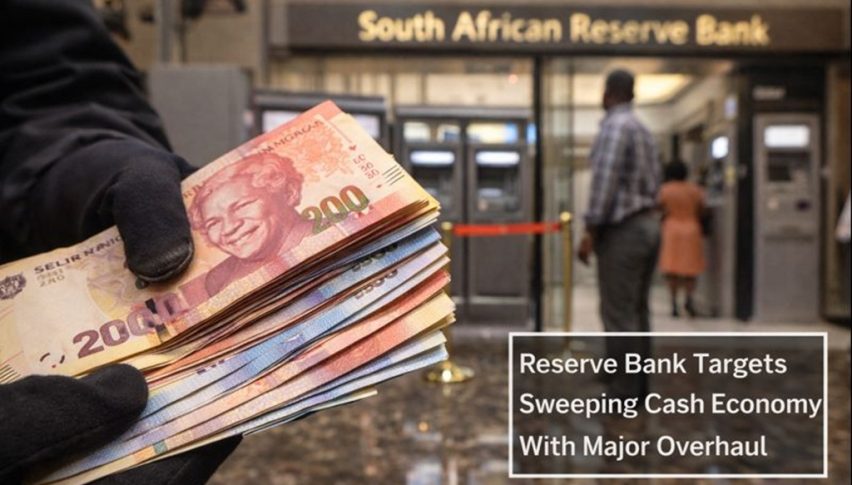
The South African Reserve Bank (SARB) is proposing the most comprehensive overhaul of the country’s cash system in decades, aiming to reduce inefficiencies and make physical money more affordable to use. Central to the plan is the creation of a dedicated cash-management utility, alongside the introduction of white-label ATMs and tighter oversight of cash circulation.
Cash Remains Dominant Despite Digital Growth
Even as digital payments expand, cash remains deeply embedded in South Africa’s economy. More than R180 billion is currently in circulation, representing about 2.5% of GDP. Cash still accounts for nearly two-thirds of all transaction volumes, underscoring its importance for daily commerce, particularly outside major urban centres.
High Costs Passed on to Consumers
The scale of the system comes at a steep price. Managing, transporting, and securing physical cash cost an estimated R90 billion last year, with much of that burden ultimately borne by consumers. Fees linked to withdrawals and cash handling disproportionately affect low-income households.
Focus on Inclusion and Fair Access
The Cash Smart Strategy is designed to protect access for rural and lower-income communities that rely heavily on physical money and often face costs up to five times higher than wealthier urban users. By standardising infrastructure and improving efficiency, the central bank hopes to narrow this gap.
A Gradual Shift Toward Digitization, but Is It A Good Thing?
SARB estimates that cash usage could fall by 30% to 40% as South Africa’s digitization levels begin to resemble those of India, Brazil, and the European Union. As Pradeep Maharaj, head of the Payments Ecosystem Modernization Programmed, noted, the initiative represents “a very radical transformation of the industry.” But that makes it more difficult for the ordinary rural and elderly citizen, and therefore for many businesses too.
- Check out our free forex signals
- Follow the top economic events on FX Leaders economic calendar
- Trade better, discover more Forex Trading Strategies
- Open a FREE Trading Account
- Read our latest reviews on: Avatrade, Exness, HFM and XM

Related Articles



Sidebar rates

Related Posts
 Save
Save
