CME Raises Margins Again as Silver Prices Digest Historic 2025 Gains, Long-Term Bullish Forces Persist
After an extraordinary rally shook global markets, silver has entered a volatile consolidation phase, yet underlying fundamentals continue..
Quick overview
- Silver has entered a volatile consolidation phase following a historic price surge, driven by constrained supply and surging demand.
- Recent margin hikes by CME Group have contributed to increased volatility, forcing traders to adjust their positions.
- Despite sharp pullbacks, strong buyer response indicates underlying demand remains robust, suggesting a transition towards market equilibrium.
- Long-term fundamentals for silver remain strong, supported by tight supply, industrial demand, and geopolitical uncertainties.
Live XAG Chart
[[XAG-graph]]
After an extraordinary rally shook global markets, silver has entered a volatile consolidation phase, yet underlying fundamentals continue to argue for strength beyond the short term.
Silver Enters a Cooling Phase After a Historic Surge
Silver ended last week firmly in the global spotlight after delivering one of the most dramatic price advances in modern market history. Prices surged in near-vertical fashion, lifting the metal into record territory and capturing attention well beyond the commodities space. The rally reflected a powerful mix of constrained supply, surging demand, and momentum-driven positioning that intensified as liquidity thinned into the holiday period.
Such an explosive move was always likely to invite a period of adjustment. As trading resumed this week, silver transitioned from acceleration to consolidation, with sharp swings replacing the one-way price action that defined the rally’s final stages.
CME Margin Hikes Trigger Volatility Reset
A key catalyst behind the pullback was renewed action from CME Group, one of the world’s largest commodity exchanges. On Tuesday, CME announced that margin requirements for precious metal futures—including silver, gold, platinum, and palladium—would be raised again after the close of business Wednesday.
According to CME, the decision followed its standard review of heightened market volatility to ensure sufficient collateral coverage. In practical terms, the higher margins require traders to commit more capital to maintain positions, reducing leverage and often forcing short-term participants to scale back exposure.
This was not the first such move. Earlier in the week, margin increases had already contributed to a sharp selloff on Monday, underscoring how sensitive stretched markets can be to changes in trading conditions.
Sharp Pullback Followed by Rapid Buyer Response
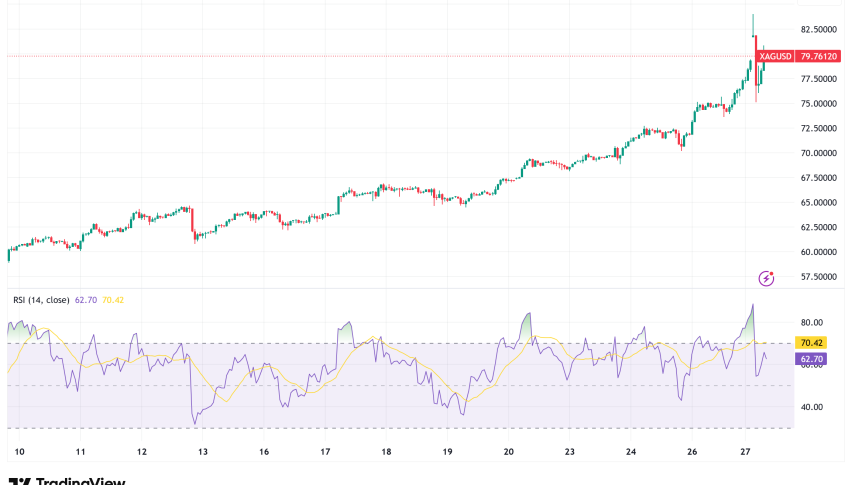
Monday’s decline was abrupt and sizeable, sending silver sharply lower as speculative excess was flushed out. Prices briefly fell into the low-$70s, marking one of the largest single-day nominal declines on record. While dramatic, the move primarily reflected forced position adjustments rather than a collapse in underlying demand.
By Tuesday, the tone shifted again. Buyers returned aggressively, pushing silver nearly $7 higher as confidence re-emerged and value-focused participants stepped back in. That rebound highlighted how quickly sentiment can turn when structural support remains intact.
On Wednesday, renewed pressure emerged after confirmation of additional margin hikes, pulling prices back toward the $70 area once more. While unsettling for short-term traders, the sequence of sharp declines followed by strong rebounds suggests a market transitioning from excess to equilibrium rather than one entering a prolonged downturn.
A Blockbuster Year for Precious Metals
The recent volatility comes against the backdrop of an exceptional year for precious metals. Silver has significantly outperformed gold in 2025, with prices on track to finish the year up nearly 150%. That would mark silver’s strongest annual performance since 1979, a remarkable achievement given the metal’s history of cyclical swings.
Gold has also posted strong gains, though silver’s dual role as both a monetary asset and an industrial input has amplified its upside during this cycle. Together, the metals have benefited from a rare alignment of macroeconomic uncertainty, geopolitical risk, and structural supply tightness.
Supply Constraints Continue to Tighten
One of the most compelling pillars supporting silver’s longer-term outlook remains supply. Global inventories are at historically low levels after years of persistent deficits. Mine supply growth has lagged demand, while above-ground stockpiles have been steadily drawn down.
This tight balance leaves little margin for disruption. Any additional strain—whether from geopolitical events, trade restrictions, or logistical bottlenecks—could have an outsized impact on prices. Markets are increasingly sensitive to this vulnerability, which helps explain why pullbacks continue to attract buying interest.
Industrial Demand Remains a Powerful Driver
Unlike gold, silver’s demand profile extends deep into the industrial economy. The metal plays a critical role in renewable energy systems, particularly solar panels, as well as in electronics, electric vehicles, medical equipment, and advanced manufacturing processes.
Demand from India and China has been especially robust, reflecting both industrial expansion and rising investment interest. Tariff uncertainty and strategic stockpiling have further supported consumption, reinforcing silver’s relevance across both economic growth and risk-management narratives.
Technical Structure Still Favors the Upside
From a technical perspective, recent price action remains consistent with a corrective phase inside a broader uptrend. The 38.2% Fibonacci retracement of the rally from late November, near $70.50, has acted as an important reference point for buyers. Additional support zones sit near $67.50 and around $66.30, where the 50% retracement aligns with the 20-day moving average.
Silver Chart Daily – The Trend Is Still Very Bullish

To the upside, the $80 level remains the first major hurdle. A sustained move above that area would reopen the path toward the recent peak near $85.85. Beyond that, longer-term projections increasingly place the psychologically significant $100 level on the radar as a 2026 objective, assuming current fundamentals remain in place.
Thin Liquidity Amplifies Price Swings
Seasonal conditions have played a significant role in magnifying silver’s volatility. With many large institutional investors reducing activity into year-end, liquidity has been thinner than usual. In such environments, price movements can become exaggerated as fewer participants are willing to step in against rapid swings.
Silver’s relatively small market size compared to gold further amplifies this effect. Retail participation has a more pronounced influence, making the metal especially sensitive to sentiment shifts and positioning changes during periods of stress.
Outlook: Volatility With a Constructive Core
Looking ahead, silver is likely to remain volatile in the near term as markets adjust to higher margin requirements and recalibrate positioning after an historic rally. However, the broader backdrop remains supportive.
Tight supply, expanding industrial demand, geopolitical uncertainty, and expectations of a more accommodative monetary environment continue to form a strong foundation. Rather than undermining the bullish case, the recent pullback appears to be strengthening it by removing excess leverage and resetting market structure.=
In that context, silver’s latest swings look less like the end of a rally and more like the preparation for its next phase—one defined by consolidation, renewed participation, and the potential for further upside once stability returns.
- Check out our free forex signals
- Follow the top economic events on FX Leaders economic calendar
- Trade better, discover more Forex Trading Strategies
- Open a FREE Trading Account



 Save
Save