Goldman Sachs Says Middle East War Will Cut Global GDP by 0.3%
Despite these risks, Goldman Sachs believes the macroeconomic impact of the conflict could be more limited than the shock of COVID.
Quick overview
- Goldman Sachs predicts that rising energy prices from the Middle East conflict could lower global GDP growth by 0.3 percentage points and increase inflation by 0.5 to 0.6 points over the next year.
- The bank has revised its global growth forecast to 2.6%, down from 2.9%, while inflation expectations have risen to 2.9% from 2.3%.
- Higher oil prices are anticipated, with Brent Crude expected to average $98 per barrel, and potential spikes to $110 or $145 in case of prolonged supply disruptions.
- The report suggests that the macroeconomic impact may be less severe than the pandemic-related shock, as the current energy crisis is more concentrated and less likely to disrupt global trade.
Goldman Sachs estimates that the surge in energy prices triggered by the war in the Middle East could reduce global GDP growth by about 0.3 percentage points and increase worldwide inflation by 0.5 to 0.6 points over the next year.
The projection comes from a report published Sunday by economists Joseph Briggs and Megan Peters, who revised their energy price forecasts following the escalation of the conflict involving Iran and rising tensions around the Strait of Hormuz, one of the most important corridors for global energy trade.
According to the bank, standard macroeconomic models suggest that the energy shock caused by the conflict will have a direct impact on both economic growth and inflation worldwide.
Goldman Sachs revises global outlook
Under this new scenario, Goldman Sachs now expects global economic growth to reach about 2.6%, down from the 2.9% forecast before the conflict began. At the same time, global inflation could rise to around 2.9%, compared with the 2.3% previously expected.
The bank had already revised its outlook for the United States last week. In that report, economists Manuel Abecasis and David Mericle said the main transmission channel from the conflict to the U.S. economy would be higher oil prices.
Goldman Sachs estimates that U.S. GDP growth in the fourth quarter could reach 2.2% year over year, about 0.3 percentage points below previous projections, while full-year growth could remain close to 2.6%.
Higher oil price forecasts
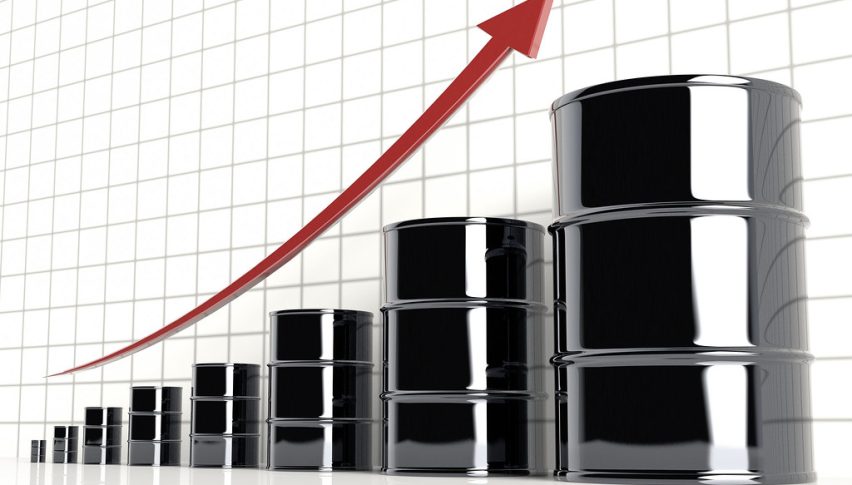
The bank also raised its projections for oil. It now expects Brent Crude to average around $98 per barrel between March and April, roughly 40% higher than the average price in 2025.
In scenarios of greater geopolitical tension, prices could climb even further. If prolonged supply disruptions occur through the Strait of Hormuz, crude could rise to $110 or even $145 per barrel.
Despite these risks, Goldman Sachs believes the macroeconomic impact of the conflict could be more limited than the shock seen after the pandemic, when supply chain disruptions affected multiple sectors simultaneously.
In contrast, the current shock is more concentrated in the energy market. Non-energy trade with Gulf countries accounts for only about 1% of global trade, reducing the risk of widespread disruptions to global production or commerce.
The main challenge, the report concludes, will be higher energy costs and their effect on inflation, which could prompt central banks to maintain a more cautious stance on monetary policy. Financial markets have already begun reflecting this shift, with rising expectations for higher interest rates toward the end of 2026 in several advanced economies, including the United States, the Eurozone, and the United Kingdom.
- Check out our free forex signals
- Follow the top economic events on FX Leaders economic calendar
- Trade better, discover more Forex Trading Strategies
- Open a FREE Trading Account
- Read our latest reviews on: Avatrade, Exness, HFM and XM

Related Articles
Sidebar rates

Related Posts
 Save
Save