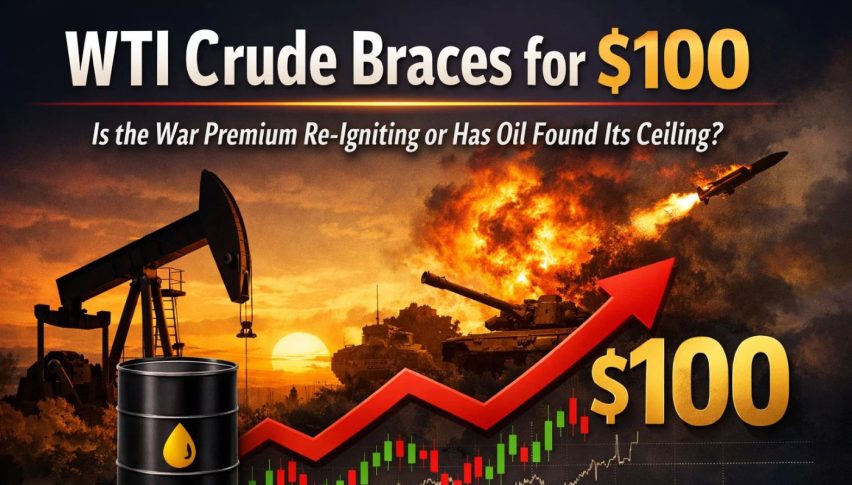
WTI Crude Braces for $100: Is the War Premium Re-Igniting or has Oil Found its Ceiling?
Energy markets are in a tense period of consolidation on Friday, March 20, 2026. After a month of sharp swings...
Quick overview
- Energy markets are experiencing consolidation as WTI prices stabilize between $94 and $96 per barrel amid geopolitical tensions.
- The ongoing US-Israel-Iran conflict and limited shipping in the Strait of Hormuz are contributing to supply uncertainty and price volatility.
- Analysts are monitoring key resistance and support levels, with potential for significant price movements depending on geopolitical developments.
- Market sentiment remains cautious, with predictions divided on whether WTI will finish the week above or below $95, influenced by the Iran conflict's duration.
Energy markets are in a tense period of consolidation on Friday, March 20, 2026. After a month of sharp swings that pushed West Texas Intermediate (WTI) close to $120, prices have settled between $94 and $96 per barrel. Traders are weighing the ongoing US-Israel-Iran conflict against supply measures from Washington. WTI is up almost 40% compared to last month, but current trading shows the market is waiting for its next big move, balancing the effects of the ‘war premium’ with hopes for diplomacy.
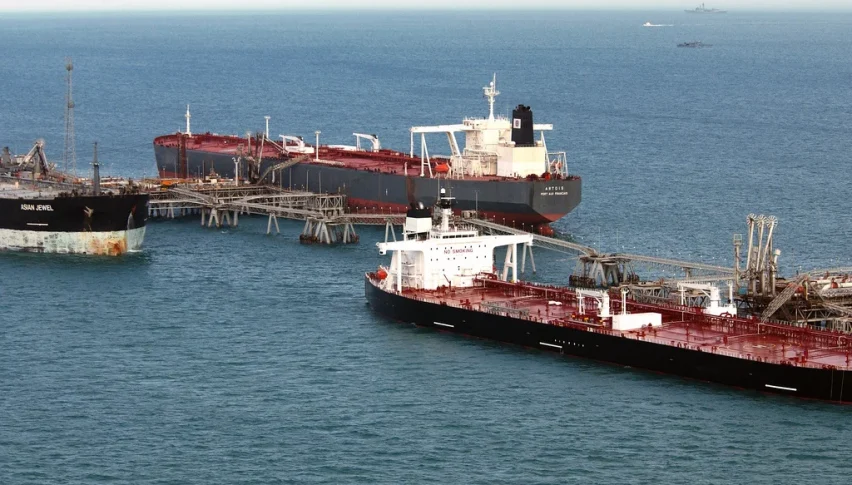
The main factor holding prices steady is the unstable situation in the Strait of Hormuz. Although there has not been a full blockade, limited shipping and attacks on energy infrastructure have kept global supply uncertain. In response, US Treasury officials have suggested possible Strategic Petroleum Reserve (SPR) releases and are discussing sanctions on Iranian crude shipments. These policy moves have helped prevent prices from staying above $100, creating a back-and-forth between geopolitical risks and government actions.
The $94 Pivot: WTI Crude Oil Technical Consolidation Before the Next Breakout
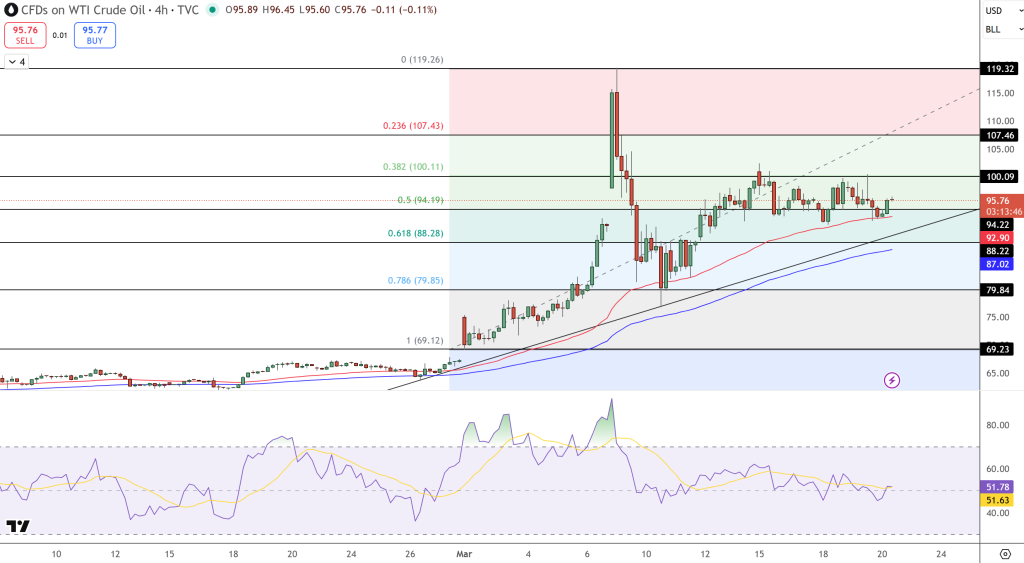
Technically, WTI crude is in a steady consolidation phase. It is trading near $95.76 on the 4-hour chart and staying above the key 0.5 Fibonacci retracement level at $94.19. This level is important for buyers; if prices stay above it, the overall uptrend from the $69.23 base continues. The Relative Strength Index (RSI) is at 52, showing the market is balanced and neither overbought nor oversold, which is unusual in such a tense environment.
Analysts are closely watching the $100.09 resistance level. If prices break above this point, it could lead to a surge of algorithmic buying and push WTI toward $107.46. On the other hand, the market is still vulnerable to sudden drops. If the $94.19 support does not hold, the next support is at $88.28. Right now, price movements suggest a pause rather than a reversal, with both the 50-period and 200-period moving averages still rising and offering support.
Supply Shocks vs. US Policy: The Battle for Price Stability
In 2026, oil markets face a major supply shortage. Despite US attempts to increase supply, reduced output from the UAE and Iran has left a gap that cannot be filled quickly. The price difference between Brent and WTI has grown, with Brent trading near $108. This shows the pressure on Middle Eastern supplies, while North America is less affected. Still, WTI is the main choice for traders hedging against global inflation.
- Geopolitical Risk: Attacks on UAE ports and shipping lanes remain the ultimate “X-factor” for a potential spike back toward $120.
- US Intervention: The Biden administration’s refusal to implement export bans has provided some market confidence, though SPR levels are under scrutiny.
- Demand Dynamics: Despite high prices, global demand has proven resilient, though analysts warn that a sustained period above $110 could trigger “demand destruction” in emerging markets.
- Inventory Data: Recent draws in US commercial crude inventories suggest that the underlying physical market remains tighter than the paper market implies.
The 2026 Outlook: Targets and Market Sentiment
As March comes to a close, the market is in a period of watchful waiting. Prediction markets are divided on whether WTI will end the week above or below $95. Longer-term forecasts depend on how long the Iran conflict lasts. If tensions ease, prices could quickly fall to the $85–$90 range as the ‘war premium’ fades. But if the conflict spreads, prices could climb toward $130, though this is seen as an extreme scenario.
For the active trader, the immediate strategy revolves around the $94 to $100 corridor. This range-bound environment offers opportunities for mean-reversion trades, but the overarching advice from institutional desks is to maintain a “long-bias” as long as the Middle East remains a combat zone. The “Golden Cross” on the daily charts and the persistent structural deficit suggest that the path of least resistance, barring a major peace deal, remains upward.
- Check out our free forex signals
- Follow the top economic events on FX Leaders economic calendar
- Trade better, discover more Forex Trading Strategies
- Open a FREE Trading Account
- Read our latest reviews on: Avatrade, Exness, HFM and XM

Related Articles
Sidebar rates

Related Posts
 Save
Save
