Crude Prices Tap $100 as Oil Markets Fear an Escalation – Weekend Invasion or Peace?
Global markets turned sharply risk-off as rising tensions involving US-Israeli military and Iran pushed crude oil prices higher...

Quick overview
- Global markets experienced a risk-off sentiment, with the Nasdaq Composite falling to a six-month low amid rising geopolitical tensions.
- Oil prices surged significantly due to concerns over supply disruptions in the Middle East, settling above $100 per barrel.
- Investor sentiment deteriorated as technology stocks faced a sharp selloff, reflecting a broader shift towards defensive positioning.
- The ongoing conflict and uncertainty surrounding U.S.-Israeli military actions against Iran are contributing to increased market volatility.
Live USOIL Chart

Global markets turned sharply risk-off as rising tensions involving US-Israeli military and Iran pushed oil higher while equities—led by the Nasdaq Composite—fell to multi-month lows.
Equities Slide as Risk Aversion Takes Hold
It was a difficult session across global markets, with equities under heavy pressure throughout the day. The Nasdaq Composite dropped to a six-month low, reflecting broad weakness in technology stocks and growth names.
Investor sentiment deteriorated as geopolitical risks intensified, triggering a shift toward defensive positioning. The selloff appeared particularly sharp in high-beta sectors, suggesting a deleveraging move as uncertainty around the global outlook increased.
Despite occasional optimism early in the week, markets ultimately failed to hold gains, with selling accelerating into the close.
Oil Surges as Supply Risks Rise
In contrast to equities, oil prices rallied aggressively. West Texas Intermediate crude oil settled up $6.76 at $101.18 per barrel, briefly touching the $100 level intraday for the first time since earlier in the week.
WTI Chart Daily – Closing Above $100 

The surge reflects growing concerns about supply disruptions as tensions escalate in the Middle East. Rising oil prices also contributed to higher bond yields, further pressuring equity valuations.
Energy markets remain highly sensitive to any developments involving key shipping routes or production infrastructure, amplifying volatility across asset classes.
Escalation Fears Drive Market Anxiety
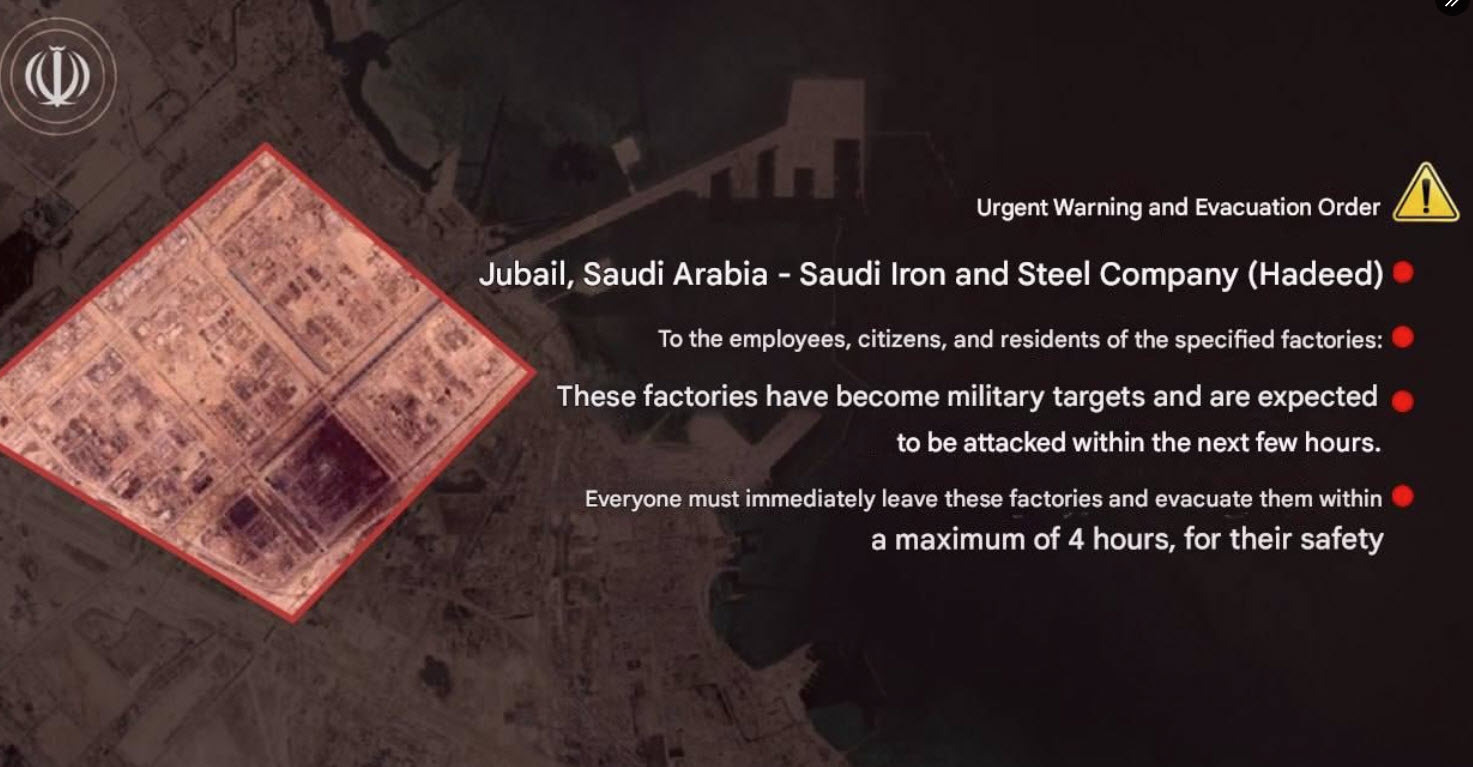
Geopolitical tensions intensified following reports of sneaky strikes from US-Israeli military on Iranian industrial infrastructure, including a major steel facility, which might have killed many poor workers. Besides, it also seems like they want to destroy the global production of everything, while all prices keep soaring. In response, Iran signaled potential retaliatory actions targeting similar assets, raising fears of further escalation. Although, Iran issued an evacuation order as well, to avoid any human casualties.
At the same time, U.S. officials indicated that the conflict could extend for several more weeks, dampening earlier expectations for a near-term resolution. Statements from Donald Trump suggesting no immediate plans for a ground invasion offered limited reassurance, as markets increasingly discount official messaging amid rapidly shifting developments.
The prospect of a prolonged conflict has become a key overhang, with investors bracing for additional volatility.
Tech Selloff Deepens Market Losses
The decline in equities was compounded by a sharp selloff in technology stocks, which had previously led market gains. High-growth names came under pressure as rising yields and geopolitical uncertainty weighed on valuations.
This rotation away from risk assets highlights a broader shift in market dynamics, where investors are prioritizing capital preservation over growth exposure.
The Iranian target list of steel plants it will hit in the coming hours:
- Kuwait Steel (United Steel Industrial Corporation) — Kuwait City, Kuwait
- EMSTEEL Group (United Iron and Steel Company) — Abu Dhabi, UAE
- Yehuda Steel Ltd. — Ashdod, Israel
- Saudi Iron & Steel Co. (Hadeed) — Al Jubail City, Eastern Saudi Arabia
- Foulath Holding — Khalifa bin Salman Port, Bahrain
- Qatar Steel QPSC — Mesaieed Port, Qatar
The messages showing the various plants look like this:
Conclusion: Markets are increasingly driven by geopolitical headlines, with oil prices surging while equities struggle under mounting pressure. The divergence highlights the growing impact of supply risks and inflation concerns on investor behavior.
While diplomacy could still provide an off-ramp, the lack of clarity and rising escalation risks suggest volatility is likely to persist. Until there is a clear shift toward resolution, markets may remain defensive, with downside risks still firmly in play.
- Check out our free forex signals
- Follow the top economic events on FX Leaders economic calendar
- Trade better, discover more Forex Trading Strategies
- Open a FREE Trading Account
- Read our latest reviews on: Avatrade, Exness, HFM and XM

Related Articles
Sidebar rates

Related Posts
 Save
Save