United States Accuses China of Hoarding Oil and Restricting Exports
“China has been an unreliable global partner; they hold a strategic petroleum reserve of roughly 1.2 to 1.3 billion barrels,” said Bessent.

Quick overview
- The U.S. has raised concerns about China's role in the global energy market, accusing it of stockpiling oil while limiting exports.
- Treasury Secretary Scott Bessent highlighted that China's actions could disrupt global trade balances, particularly affecting Asian countries reliant on energy imports.
- Bessent noted a pattern of China's behavior reminiscent of the pandemic, where it stockpiled medical supplies during high demand.
- The ongoing tensions may impact U.S.-China relations, but Bessent emphasized the importance of stability and communication between the two nations.
Washington has questioned Beijing’s role in the global energy market, warning that its actions could disrupt supply—particularly across Asia.
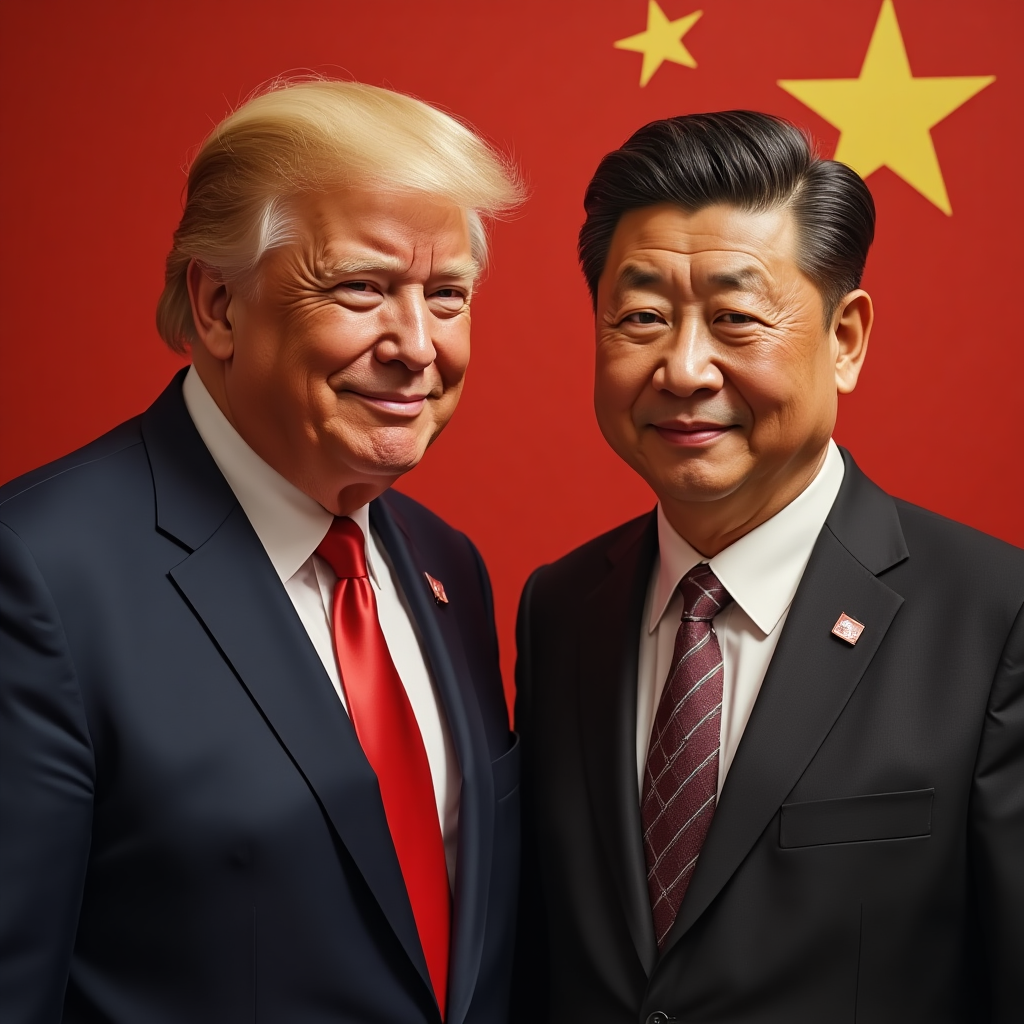
The United States has accused China of acting as an unreliable partner amid the war in the Middle East by accumulating large oil reserves while limiting exports. According to U.S. officials, the strategy is distorting global markets and increasing pressure on international energy supplies.
Scott Bessent, the U.S. Treasury Secretary, said Beijing’s actions reflect a pattern seen during the pandemic, when the country “stockpiled medical supplies” at a time of strong global demand. This time, he said, the focus is on oil and restrictions on certain key products.
“China has been an unreliable global partner; they hold a strategic petroleum reserve of roughly 1.2 to 1.3 billion barrels,” Bessent told reporters, adding that he has already discussed the issue with Chinese officials.
Oil stockpiling and trade restrictions
According to the Treasury chief, China has not only increased its reserves but is also continuing to buy crude oil on international markets while reducing exports. He warned that such behavior could disrupt global trade balances at a time of heightened sensitivity due to the Middle East conflict.
Bessent noted that the main impact of these policies is likely to be felt in Asia, rather than in the United States, as many countries in the region depend more heavily on imported energy and could face greater challenges in the event of supply shortages.
Impact on bilateral relations
When asked whether the tensions could affect a planned visit by President Donald Trump to Beijing later this month, Bessent declined to give a definitive answer but sought to emphasize stability in the relationship between the two powers.
“I think the message of the visit is stability. We have had significant stability in the relationship since last summer; that stability comes from the top down,” he said. “Communication is the key.”
The remarks highlight a new source of friction in global markets, as the conflict in the Middle East continues to influence not only the military landscape but also economic and trade dynamics worldwide.
- Check out our free forex signals
- Follow the top economic events on FX Leaders economic calendar
- Trade better, discover more Forex Trading Strategies
- Open a FREE Trading Account
- Read our latest reviews on: Avatrade, Exness, HFM and XM

Related Articles
Sidebar rates

