Iran War Sparks $100 Oil Fears: Strait of Hormuz at Risk of Blockade
Tehran's retaliation and the US-Israeli strikes against Iran could seriously disrupt the world's crude oil supply
Quick overview
- Tehran's retaliation and US-Israeli strikes could disrupt global crude oil supply and significantly raise prices.
- Iran remains a top 10 oil producer despite a decrease in output since the 1970s, currently producing about 3.1 million barrels daily.
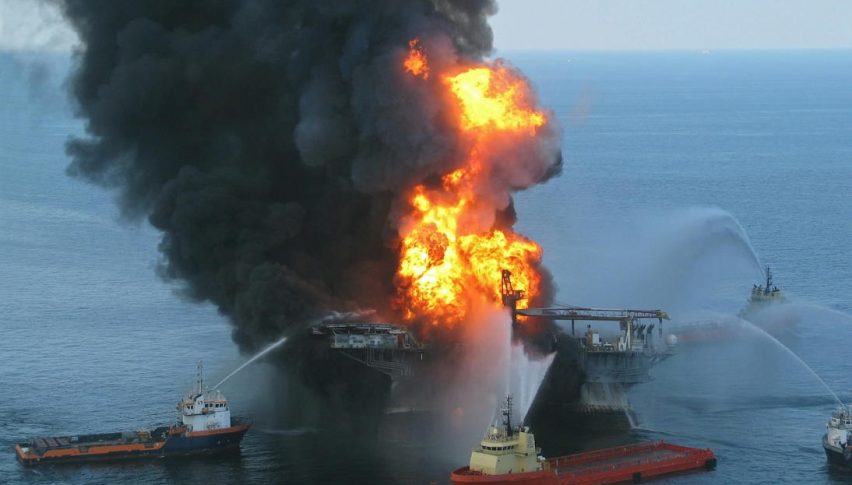
- The Strait of Hormuz blockade poses a major threat to the oil market, with decreased traffic reported.
- Iran's low production costs make its crude oil particularly profitable, especially as it relies heavily on oil earnings amid ongoing US sanctions.
Tehran’s retaliation and the US-Israeli strikes against Iran could seriously disrupt the world’s crude oil supply and drive up prices to levels not seen in years. Iran’s output has decreased since the 1970s, primarily due to rounds of US sanctions, but it is still among the top 10 oil producers in the world. The nation’s daily production has decreased to about 3.1 million barrels, from about twice that amount in the 1970s.
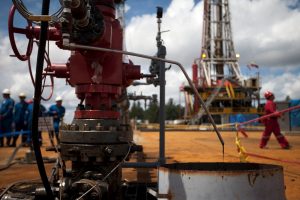
This is still a substantial sum, and the Islamic Republic’s strategic significance is reinforced by possessing the third-largest crude reserves in the world. Furthermore, compared to Venezuela, another nation that has been subject to years of US sanctions, Iran’s oil industry is in far better shape.
Blockade of the Strait of Hormuz, a crucial waterway connecting the Middle East to the rest of the world for the transportation of gas and oil, is the biggest threat to the oil market. Traffic through the artery has decreased, according to data from the marine analytics website Marine Tracker.
According to Rasmussen, Iranian crude is especially profitable because it is relatively simple and inexpensive to extract, with production costs as low as US$10 (RM39) per barrel.
The only countries with comparable low production costs are Saudi Arabia, Iraq, Kuwait, and the United Arab Emirates. In contrast, major Western producers, such as the US and Canada, usually have to pay between $40 and $60 per barrel. Iran benefits disproportionately from high global prices because of its low costs, which is important for an economy that depends largely on oil earnings.
Iran has few export options due to US sanctions that have been in place since the Islamic Revolution of 1979, particularly since President Donald Trump reinstated a “maximum pressure” policy on Tehran after taking office.
Iran exports between 1.3 and 1.5 million barrels per day, of which over 80% is destined for Chinese refineries due to US sanctions. Iranian retaliation attacks were directed at the United States’ oil-producing allies, Kuwait, the United Arab Emirates, and Iraq.
- Check out our free forex signals
- Follow the top economic events on FX Leaders economic calendar
- Trade better, discover more Forex Trading Strategies
- Open a FREE Trading Account
- Read our latest reviews on: Avatrade, Exness, HFM and XM

Related Articles


Sidebar rates

Related Posts
 Save
SaveAva