OPEC+ Emergency Summit: $100 Oil Looms as Khamenei’s Death Paralyzes the Strait of Hormuz
The global energy landscape has been permanently altered in the last 24 hours. As of today, Sunday, March 1, 2026...
Quick overview
- The global energy landscape has been drastically impacted by the death of Iran's Supreme Leader, leading to an emergency OPEC+ summit amid escalating warfare in the Middle East.
- The US and Israel's 'Operation Epic Fury' has resulted in significant military actions against Iran, prompting missile retaliation and a blockade of the Strait of Hormuz.
- With 15 million barrels per day at risk due to shipping disruptions, oil prices are expected to surge, with analysts predicting a potential spike to $100 per barrel.
- The upcoming OPEC+ meeting will address the crisis, but limited spare capacity outside of Saudi Arabia and the UAE may hinder effective market stabilization.
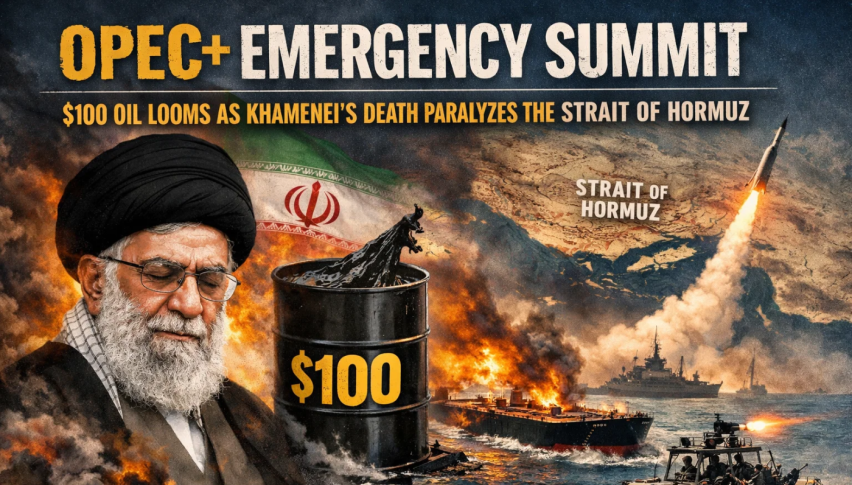
The global energy landscape has been permanently altered in the last 24 hours. As of today, Sunday, March 1, 2026, the “Voluntary Eight” (V8) members of OPEC+ are convening an emergency virtual summit to address a catastrophic supply shock. Following the confirmed death of Iran’s Supreme Leader, Ayatollah Ali Khamenei, in a massive US-Israeli “decapitation strike,” the Middle East has spiraled into active warfare, and the world’s most critical oil artery has been cut.
With Brent crude having surged past $73 on Friday, the “Sunday Night Open” is expected to be a historic event. Analysts are already warning of a potential $10 to $20 gapped opening, with $100 per barrel no longer a “worst-case scenario” but a near-term mathematical probability.
The Decapitation Strike and “Operation Epic Fury”
On February 28, the United States and Israel launched “Operation Epic Fury,” a multi-pronged offensive targeting 24 Iranian provinces. President Donald Trump has confirmed the elimination of Khamenei, describing him as “one of the most evil people in history.”
The strike, which occurred just two days after the collapse of nuclear talks in Geneva, marks the most significant escalation in the region since 1979. In retaliation, Iran has launched missile barrages at Israel and US-allied Gulf states, including direct hits reported near Dubai’s Palm Jumeirah and Burj Al Arab.
The Blockade: 15 Million Barrels Stranded
The immediate crisis for the energy market is the Strait of Hormuz. On Saturday, the Iranian Revolutionary Guard (IRGC) broadcasted radio warnings to all commercial vessels: “No ship is allowed to pass.”
- Shipping Halt: At least nine LNG carriers and dozens of crude tankers have already diverted or made “U-turns” to avoid the chokepoint.
- Insurance Collapse: Global insurers began pulling coverage for vessels in the Gulf on Saturday, triggering a mandatory seven-day cancellation clause. This essentially renders any remaining shipping uninsurable and economically impossible.
- Supply Impact: A total halt of Hormuz transit could block up to 15 million barrels per day of crude, nearly 15% of global demand, alongside significant LNG flows to Asia and Europe.
OPEC+ March 1 Emergency Decision
The “Voluntary Eight”, led by Saudi Arabia and Russia, are meeting today to decide if they can stabilize a market that is rapidly losing its mind.
Prior to the strikes, the group was expected to announce a modest 137,000 bpd increase for April. Now, sources indicate a debate over a much larger hike of 411,000 bpd or more. However, veteran analysts like Helima Croft warn that the market impact will be limited: outside of Saudi Arabia and the UAE, OPEC+ has almost zero spare capacity to meaningfully offset a total Hormuz blockade.
Weekly Forecast: Will WTI Smash $77.62?
WTI crude closed the week at $67.28, but that price is now functionally obsolete. As the market prepares to reopen tonight, the technical structure has shifted from “bullish” to “parabolic.”
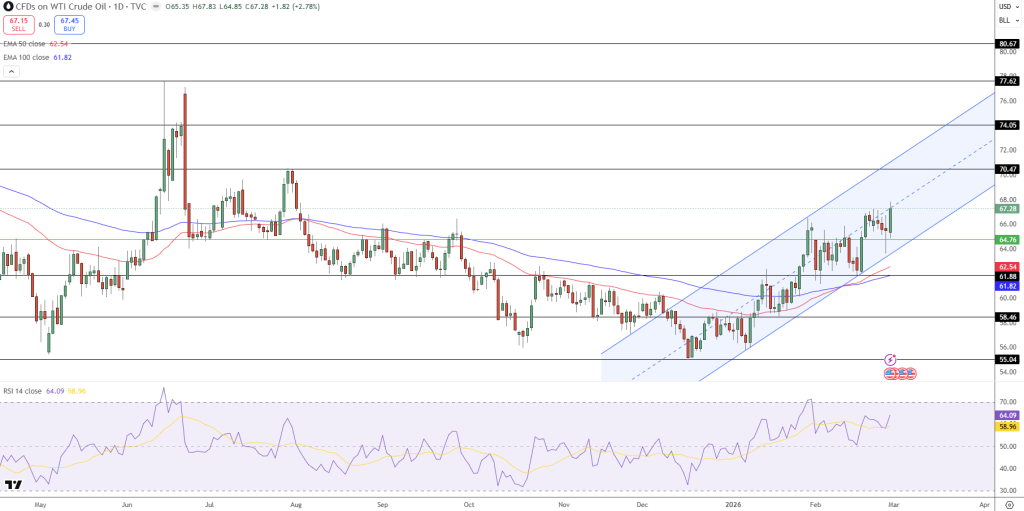
- The Immediate Target: $70.47. This is the first major resistance level on the daily chart. Expect a direct gap-up to this level within minutes of the open.
- The “War Premium” Target: $77.62. If the Strait of Hormuz remains contested through Monday, momentum will likely carry prices toward the upper boundary of the current ascending channel.
- Downside Support: $64.76. This level, once a stubborn resistance, now acts as a psychological floor—though it is unlikely to be tested unless a sudden ceasefire is announced.
The Analyst’s Verdict: A New Energy Era
As a professional analyst with a decade in the pits, I cannot overstate the gravity of tonight’s open. We are seeing a “Black Swan” event that blends a decapitation strike, a chokepoint blockade, and an emergency OPEC+ response. The $10 risk premium currently priced in will likely double by Monday morning.
The Strategy: For professionals, the focus is now on the Gold/Oil ratio and safe-haven flows. For everyone else, prepare for the impact at the pump. In the US, gas prices are already being forecast to spike toward $4.50–$6.00 per gallon if this conflict persists for more than 72 hours.
- Check out our free forex signals
- Follow the top economic events on FX Leaders economic calendar
- Trade better, discover more Forex Trading Strategies
- Open a FREE Trading Account
- Read our latest reviews on: Avatrade, Exness, HFM and XM

Related Articles

Sidebar rates

Related Posts
 Save
Save