Morgan Stanley Expects Fed to Delay Rate Cuts Amid Oil Shock
For now, futures markets are pricing in only one 25-basis-point rate reduction this year, likely around the October meeting.

Quick overview
- Morgan Stanley anticipates the Federal Reserve will delay interest-rate cuts due to rising oil prices from the Iran conflict, adding uncertainty to inflation forecasts.
- The bank predicts two quarter-point rate cuts in 2026, but these may be postponed to September or December depending on the energy situation.
- Current market expectations suggest only one rate reduction this year, likely in October, as oil prices remain elevated despite potential resolutions to the conflict.
- Morgan Stanley warns that sustained high oil prices could lead to increased inflation risks and a more cautious monetary policy from the Fed.
Morgan Stanley expects the Federal Reserve to delay the start of its interest-rate cutting cycle as the surge in oil prices triggered by the conflict with Iran adds new uncertainty to the inflation outlook.
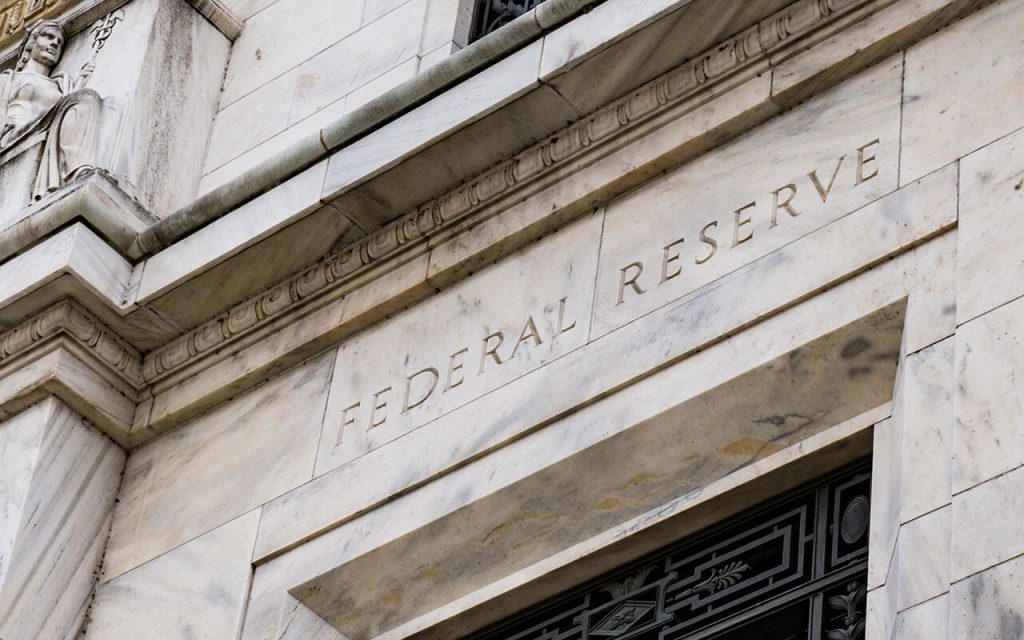
The bank still forecasts two quarter-point rate cuts in 2026, likely at the Fed’s June and September meetings, but warns that the recent energy shock could push the timeline back. Under that scenario, the first cut could be postponed until September or even December, with the following move potentially slipping into 2027.
“If the Fed follows its historical behavior and chooses to look through oil-driven inflation pressures, we believe it could still begin easing sooner than the market currently expects,” said Michael Gapen in a report published Wednesday.
Oil shock complicates the outlook
The conflict involving the United States, Israel, and Iran has driven a sharp increase in oil prices and rattled financial markets, raising doubts about the timing of rate cuts.
For now, futures markets are pricing in only one 25-basis-point rate reduction this year, likely around the October meeting.
Although Donald Trump recently said the conflict could end “soon,” and the International Energy Agency announced an extraordinary release of 400 million barrels from strategic reserves, crude prices remain elevated. Brent Crude is trading around $90 per barrel, well above the roughly $70 level seen before the conflict began.
Inflation risks remain
According to Morgan Stanley, if oil prices fail to return to pre-war levels, the impact on headline inflation could become more pronounced in 2026. The bank also expects the U.S. unemployment rate to remain moderately higher through late 2028.
In that scenario, the Federal Reserve may need to balance its dual mandate—controlling inflation while supporting employment—while maintaining a more cautious and flexible monetary policy stance.
For the bank’s economists, current market pricing largely reflects uncertainty about the duration of the conflict and the difficulty of predicting how the Fed will respond until there is greater clarity in both economic data and geopolitical developments.
- Check out our free forex signals
- Follow the top economic events on FX Leaders economic calendar
- Trade better, discover more Forex Trading Strategies
- Open a FREE Trading Account
- Read our latest reviews on: Avatrade, Exness, HFM and XM

Related Articles
Sidebar rates

