Global Inflation: 34% of Companies Passing Costs to Consumers
Tighter trade policy is also beginning to show up in business activity. 82% of companies reported a decline in exports.

Quick overview
- A private report indicates that more companies are passing the costs of Donald Trump's tariffs onto consumers, with 34% of firms already transferring most tariff costs.
- The survey reveals that 55% of executives expect price increases of at least 15% in the next six months due to ongoing cost pressures.
- Additionally, 37% of companies have raised prices on goods not directly affected by tariffs, highlighting a broader impact on pricing strategies.
- The report also notes a decline in both export and domestic sales, raising concerns about the economic effects of trade tensions.
A private report shows that more companies are increasingly passing the impact of Donald Trump’s tariffs on to prices, amid regulatory uncertainty and falling sales.
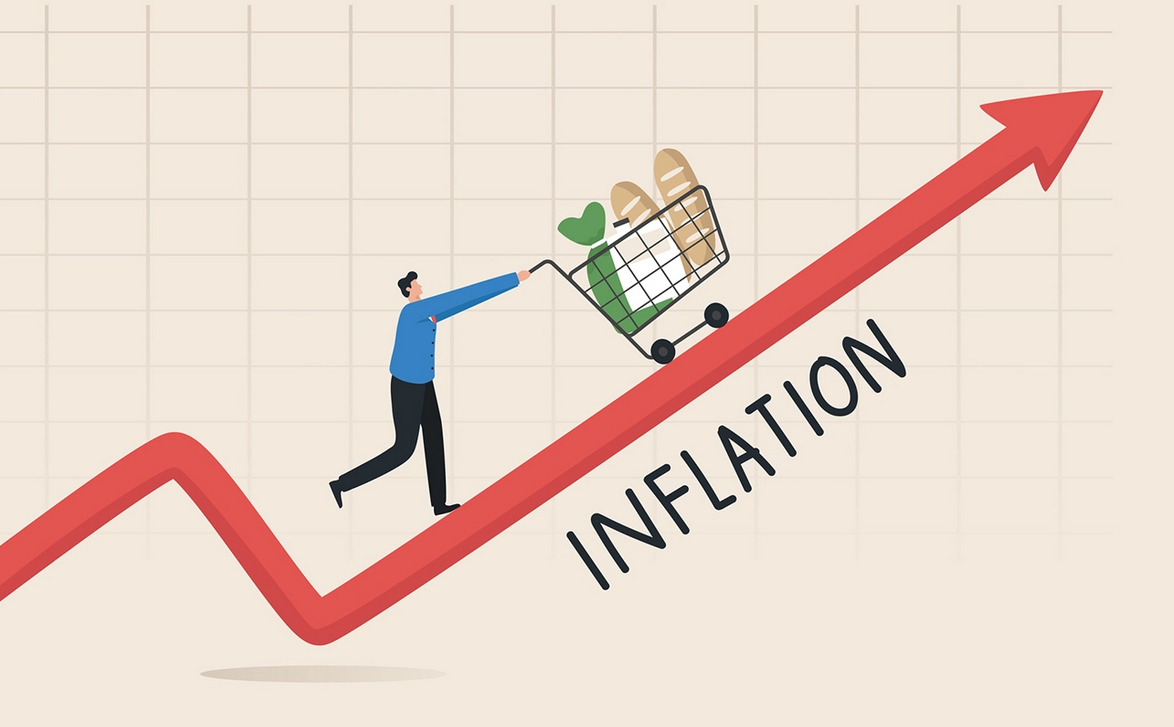
Trade policies promoted by Donald Trump are beginning to hit consumers more directly. According to a survey by KPMG, a growing number of large companies have already passed most of those costs on to final prices and expect further increases in the coming months.
The survey, conducted among 300 senior executives at companies with revenue above $1 billion, shows that 34% of firms are already transferring most tariff costs to consumers. That figure marks a sharp increase from 21% in September 2025 and 13% in May of the same year, shortly after the tougher trade policy was announced.
In addition, more than half of respondents (55%) expect price increases of at least 15% over the next six months, as cost pressures remain elevated.
Price increases beyond tariffs
The report also warns that cost pass-through is not limited to products directly affected by trade measures. Some 37% of companies said they raised prices on goods not subject to tariffs, while 19% implemented increases that exceeded the direct impact of higher import costs.
“The burden of tariffs is now falling directly on consumers. While companies initially absorbed the hit in their margins, most are now reconfiguring pricing strategies for a world of persistent cost pressures,” said Brian Higgins, head of industrial manufacturing at KPMG in the United States.
Falling sales and weaker activity
Tighter trade policy is also beginning to show up in business activity. According to the survey, 82% of companies reported a decline in export sales, while 61% said domestic sales in the United States had fallen.
These figures reinforce concerns about the economic impact of trade tensions, particularly as rising prices risk weighing on consumer demand.
The outlook has become even more uncertain following a recent ruling by the Supreme Court of the United States that declared some of Trump’s tariffs illegal. However, the former president has signaled he will seek to reintroduce similar measures under different legal frameworks. After the ruling, the government moved ahead with a global 10% tariff that can only remain in place for up to 150 days under current regulations.
Uncertainty remains over the scope of future measures. Sectors such as retail and consumer goods appear particularly difficult to target, given complex production chains and the wide range of products involved.
- Check out our free forex signals
- Follow the top economic events on FX Leaders economic calendar
- Trade better, discover more Forex Trading Strategies
- Open a FREE Trading Account
- Read our latest reviews on: Avatrade, Exness, HFM and XM

Related Articles
Sidebar rates

