WTI and Brent Crude Oil Prices Plunge on News of Hormuz Reopening in 30 Days after the US-Iran Deal
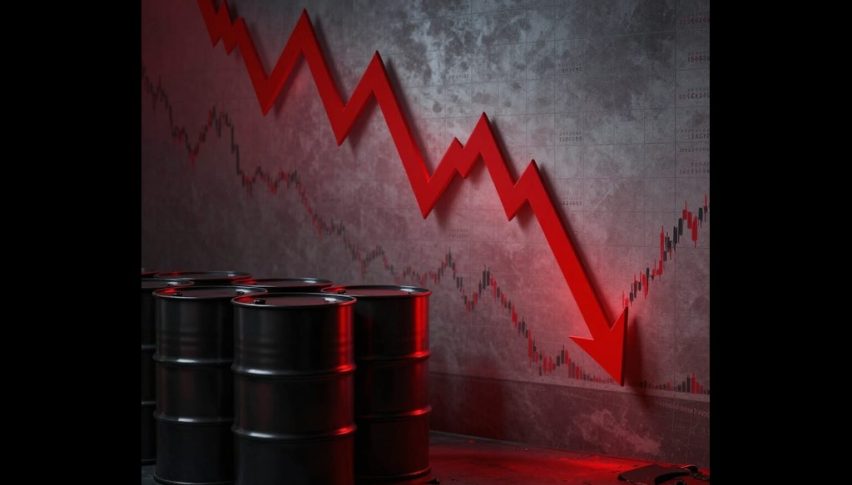
Growing hope for a possible US-Iran deal raised anticipation that the Strait of Hormuz may reopen and allay worries about global supply, which caused oil prices to plummet.
Quick overview
- Oil prices fell sharply as optimism grew over a potential US-Iran agreement, leading to expectations of reopening the Strait of Hormuz.
- West Texas Intermediate futures dropped about 8%, while Brent Crude declined around 7%, marking one of the largest short-term pullbacks this year.
- The Strait of Hormuz, a critical shipping corridor for global oil, is central to market focus, with reports suggesting it could reopen within 30 days.
- Despite the positive sentiment, uncertainties remain regarding the finalization of the proposed agreement and its implications for energy markets.
Live USOIL Chart

Growing hope for a possible US-Iran deal raised anticipation that the Strait of Hormuz may reopen and allay worries about global supply, which caused oil prices to plummet.
Oil Prices Suffer Sharp Selloff
Crude oil markets experienced heavy selling pressure on Monday as investors reacted to signs of progress in negotiations between the United States and Iran.
West Texas Intermediate futures plunged roughly 8%, falling below the important $90 per barrel level, while Brent Crude declined around 7% toward $93 per barrel. The latest move extended last week’s sharp decline and marked one of the largest short-term pullbacks in oil prices this year.
WTI Futures Chart Daily – Breaking Below the 50 SMA

The selloff accelerated after reports suggested the United States and Iran are moving closer toward a broader agreement that could eventually reduce disruptions to global energy flows. Traders now see a clearer path toward restoring oil shipments through critical Middle Eastern trade routes.
Strait of Hormuz Returns to Market Focus
At the center of market attention is the Strait of Hormuz, one of the world’s most strategically important shipping corridors. Roughly one-fifth of global oil and liquefied natural gas exports move through the narrow waterway, making any disruption there highly significant for global energy markets.
Recent reports indicated that the United States and Iran are discussing plans that could allow the strait to reopen fully within approximately 30 days. If flows resume at normal capacity, global supply conditions could improve rapidly and place further downward pressure on crude prices.
Markets responded quickly to the possibility of easing supply constraints, particularly after months of geopolitical tension had fueled fears of prolonged disruptions in energy shipments.
Market Optimism Lifts Equity Futures
The improvement in geopolitical sentiment also supported broader financial markets. Although US stock exchanges remained closed, e-mini S&P 500 futures climbed nearly 1%, trading close to session highs as investors welcomed the prospect of reduced geopolitical risk and lower energy costs.
Lower oil prices are often viewed positively for equities because they can help ease inflation pressures, reduce transportation costs, and improve consumer spending conditions.
Proposed Agreement Still Faces Risks
Despite the growing optimism, uncertainty remains elevated. Reports suggest the proposed framework includes reopening the Strait of Hormuz, releasing frozen Iranian assets, and continuing negotiations surrounding Iran’s nuclear program.
However, no final agreement has been officially signed. President Trump stated that the United States would maintain its blockade measures until a formal agreement is fully completed and verified.
Trump also emphasized that negotiations remain highly sensitive, warning that any final deal must satisfy strict conditions. He described the potential outcome as either “great and meaningful” or no agreement at all, underscoring the possibility that talks could still break down before completion.
For now, oil markets appear focused on the prospect of improving supply conditions, with traders increasingly pricing in reduced geopolitical risk and the potential normalization of global energy flows.
- Check out our free forex signals
- Follow the top economic events on FX Leaders economic calendar
- Trade better, discover more Forex Trading Strategies
- Open a FREE Trading Account
- Read our latest reviews on: Avatrade, Exness, HFM and XM

Related Articles
Sidebar rates

Related Posts
 Save
Save