South Africa Petrol Price Relief Ahead as High Energy, SARB Interest Rates Crush Consumers
Concerns about inflation are spreading throughout the nation as fuel costs rise and the Reserve Bank of South Africa adopts a more cautious
Quick overview
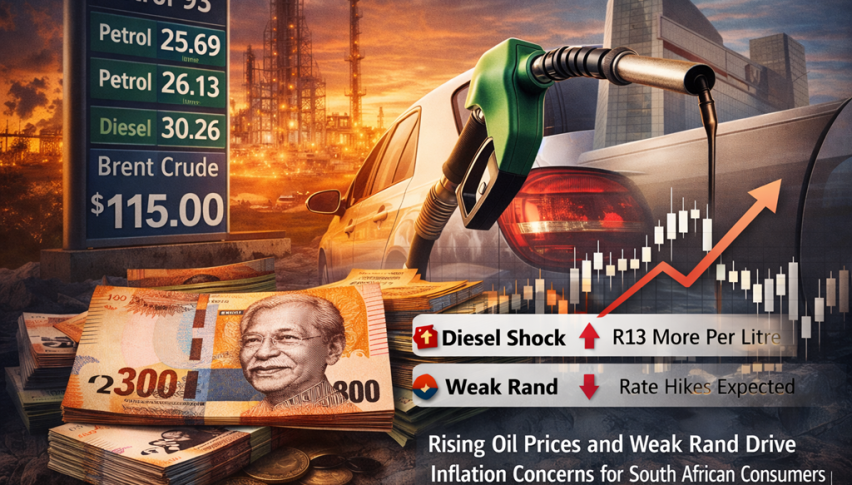
- South Africa is facing rising inflation risks due to a significant increase in fuel prices, particularly for diesel, projected for May.
- The surge in fuel costs is driven by rising global oil prices and a weaker rand, complicating the South African Reserve Bank's monetary policy decisions.
- Economists warn that aggressive interest rate hikes could harm economic growth, despite rising concerns about persistent inflation.
- The latest fuel price shock is expected to increase costs for businesses and consumers, delaying potential rate cuts and putting pressure on household spending.
Concerns about inflation are spreading throughout the nation as fuel costs rise and the Reserve Bank of South Africa adopts a more cautious approach to interest rates.
Fuel Prices Finally Soften
Due to a two-week ceasefire between the US and Iran, markets have drastically changed. Global oil prices have dropped by $17 per barrel, which should reduce the fuel price increases planned for May by R2.70 per litre.
Frederick Mitchell, chief economist at Aluma Capital, claims that the shift in oil prices is the much-needed respite for markets, ending the “perfect storm” that has been building over energy prices. He claimed that after weeks of dogging the South African outlook with growing energy costs and currency instability, the perfect storm had finally started to crack.
Oil Prices and Weak Rand Drive Costs Higher
The primary drivers behind the fuel increase remain unchanged. Rising global oil prices amid Middle East tensions and a weaker South African rand amplifying import costs
As a net importer of fuel, South Africa is highly sensitive to global price movements. The ongoing conflict has tightened supply expectations, pushing crude prices higher and feeding directly into local fuel costs.
In April, the government attempted to cushion consumers by reducing the fuel levy, a move that cost the Treasury approximately R6 billion. However, it remains uncertain whether a similar intervention will be implemented for May.
SARB Faces Growing Policy Dilemma
The surge in fuel prices is complicating the outlook for the South African Reserve Bank. While markets had previously expected interest rate cuts, sentiment has shifted. Forward-rate agreements now price in three potential rate hikes by early 2027. This reflects rising concerns about persistent inflation
Despite this, economists warn that aggressive tightening could harm economic growth. Momentum Investments analysts argue that such a path may be too restrictive given the fragile domestic environment.
Cautious Policy Already in Place
Even before the latest geopolitical developments, the SARB had adopted a careful approach to monetary policy.
- Interest rates peaked at a 15-year high before easing began
- Since September 2024, rates have been cut by 150 basis points
- The repo rate now stands at 6.75%, with the prime rate at 10.25%
At its latest meeting, the central bank opted to hold rates steady, citing concerns over services inflation and rising food prices.
Outlook: Inflation Pressures Building
The latest fuel price shock is expected to ripple through the broader economy, increasing costs for businesses and consumers alike.
With South Africa acting as a price-taker in global energy markets, higher oil prices are likely to [ush inflation higher in the coming months and delay any meaningful rate cuts, while increasing pressure on household spending.
As a result, the South African Reserve Bank may be forced to maintain a restrictive stance for longer, balancing inflation control against slowing economic growth.
- Check out our free forex signals
- Follow the top economic events on FX Leaders economic calendar
- Trade better, discover more Forex Trading Strategies
- Open a FREE Trading Account
- Read our latest reviews on: Avatrade, Exness, HFM and XM

Related Articles

Sidebar rates

Related Posts
 Save
Save