Natural Gas Futures Hold after Release of Wholesale Gas Price Survey
Natural gas futures are still high as the Wholesale Gas Price Survey released this week and weather forecasts call for warmer temperatures.
Quick overview
- The Wholesale Gas Price Survey indicates that U.S. natural gas futures have slightly dropped to $3.08 per MMBtu amid a global trend of high gas and oil prices.
- Domestic LNG rates are at a two-month high despite warmer weather forecasts, influenced by low production output and high inventory levels.
- Increased export demand is driven by global supply deficits, particularly due to delays in shipments through the Strait of Hormuz.
- The survey analyzed two decades of pricing behavior, considering factors like geopolitical events and energy crises that affect global gas prices.
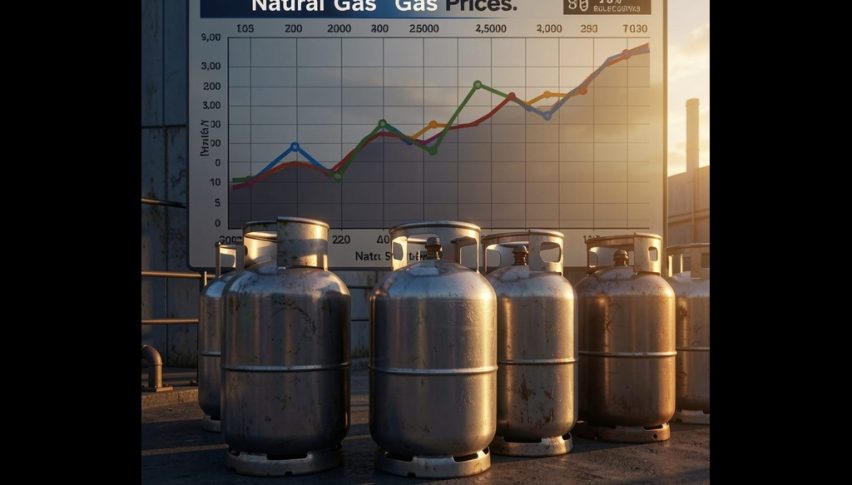
The Wholesale Gas Price Survey released this week and assessed where gas prices are headed globally, while domestic LNG rates remained above $3 per MMBtu.

The price of U.S. natural gas futures dropped slightly on Wednesday to $3.08 per MMBtu. The elevated rate is indicative of a wider global trend toward high gas and oil prices, but the domestic market is not as strongly affected by the factors that are keeping crude oil above $100 a barrel right now.
Natural gas production is low at the moment, due to producers keying into the current demand and maintenance taking place on export facilities that are undergoing scheduled spring upkeep. The Wholesale Gas Price Survey released this week tracked twenty years of pricing behavior, and the result could help investors chart price movement moving forward.
Two-Month High for Domestic LNG Rates
Natural gas futures in the United States are near their highest point in two months even though weather forecasts are calling for warmer weather. Typically, warm weather will push prices lower, but other factors are at work to pull rates up at the moment.
Output for production facilities is low due to diminished demand for this time of year, and inventory levels are high thanks to regular new injections into a plenteous supply. A report from the EIA (Energy Information Administration) shows that LNG stocks are approximately 51 Bcf more than they were at the same time last year. They are also about 140 Bcf higher than the running average of the last five years.
Export demand increased in recent weeks, and that is due to global deficits caused by halted shipments through the Strait of Hormuz. Some oil tankers have been waiting months to pass through the waterway, with several reported as finishing their two-month wait on Wednesday. If the waterway remains open, then exports should fall and investors should anticipate lower LNG rates very quickly.
The Wholesale Gas Price Survey accounted for the Strait of Hormuz’s closure as well as the Russian-European pipeline shutting down in 2022. Also factored in were global energy crises and the expansion of natural gas facilities throughout the Western Hemisphere and the impact of these events on gas prices across the world for the past two decades. As investors consider the survey, new price predictions may influence current market prices over the next week.
- Check out our free forex signals
- Follow the top economic events on FX Leaders economic calendar
- Trade better, discover more Forex Trading Strategies
- Open a FREE Trading Account
- Read our latest reviews on: Avatrade, Exness, HFM and XM

Related Articles



Sidebar rates

Related Posts
 Save
Save