Sasol Surges 90% Amid Market Volatility, But Is It Still a Buy?
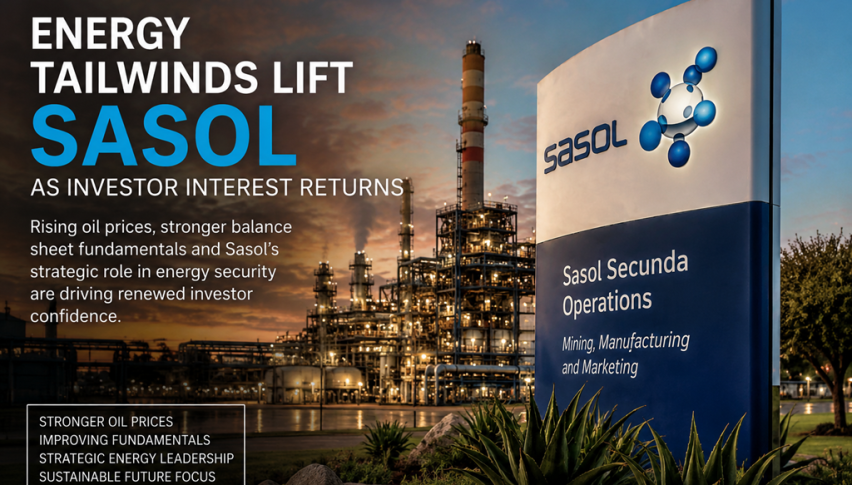
Sasol shares have surged 90% over the past year, raising questions about its valuation amid market volatility and economic pressures.

Quick overview
- Sasol's stock has surged 90% over the past year, driven by strong operational performance and strategic adjustments.
- Goldman Sachs has downgraded Sasol to 'Neutral' due to concerns over weak product prices, raising questions about future prospects.
- External factors like global oil prices and the South African Reserve Bank's monetary policy significantly impact Sasol's performance.
- Despite a cautious outlook, some analysts believe Sasol's diversification and focus on cleaner energy could mitigate risks and support growth.
Live USD/ZAR Chart


Sasol’s remarkable 90% surge over the past year has caught the attention of South Africa’s trading community, but with new market challenges, traders are questioning whether the stock remains a wise investment.
Behind the Headline
Sasol, a South African chemical and energy company, has nearly doubled its stock value over the last 12 months. This impressive rally has been fueled by strong operational performance and strategic adjustments, including updates on tender offers and revised guidance, as noted by AD HOC NEWS. However, the recent downgrade by Goldman Sachs to ‘Neutral’ due to a weak product price outlook raises concerns about future prospects.
South Africa Market Angle
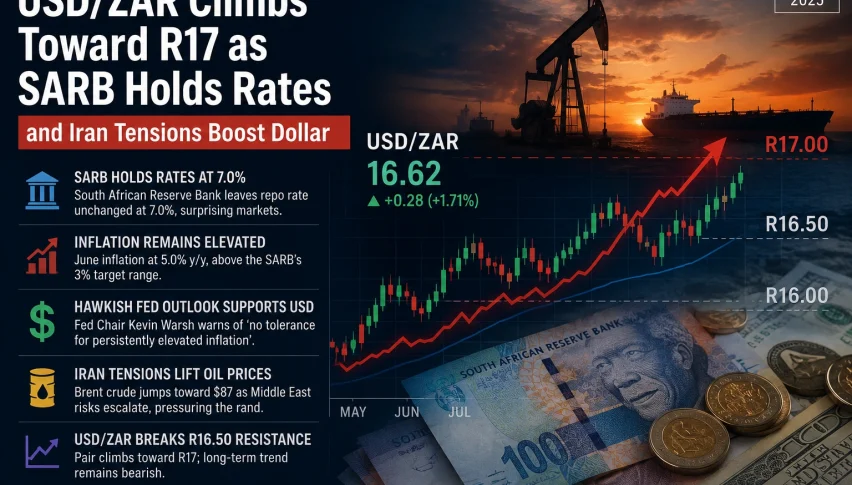
As Sasol’s performance hinges significantly on external factors like global oil prices, the South African Reserve Bank’s (SARB) monetary policy decisions play a crucial role. The rand’s volatility, influenced by SARB’s interest rate stance, can impact Sasol’s cost structure and export competitiveness. Meanwhile, the Johannesburg Stock Exchange (JSE) provides a broader context of market sentiment, where Sasol forms a significant part of the energy sector landscape.
Contrary Angle
While the consensus points to a cautious outlook, driven by the Goldman Sachs downgrade, some analysts argue that Sasol’s diversification efforts and operational efficiencies could mitigate risks. The company’s strategic focus on cleaner energy sources and cost-cutting measures might prove advantageous in a volatile market, potentially positioning Sasol for continued growth despite broader industry challenges.
Why Traders Should Care
Traders need to weigh Sasol’s strong historical performance against the current economic landscape. The stock’s recent volatility presents both risks and opportunities, making it crucial for traders to closely monitor market trends and Sasol’s financial disclosures. With the JSE’s competitive dynamics and SARB’s policy decisions affecting the rand, traders should consider hedging strategies to manage currency risks effectively.
Conclusion
Sasol’s impressive stock rally over the past year highlights its potential as a lucrative investment. However, with global economic uncertainties and a cautious outlook from major financial institutions, traders must remain vigilant. Careful analysis of market conditions and strategic positioning will be key to navigating Sasol’s future in the South African market.
- Check out our free forex signals
- Follow the top economic events on FX Leaders economic calendar
- Trade better, discover more Forex Trading Strategies
- Open a FREE Trading Account
- Read our latest reviews on: Avatrade, Exness, HFM and XM

Related Articles

Sidebar rates

Related Posts
 Save
Save