Ethereum: Gas Fees, Market Volatility, and the Shadow of Jump Trading
Ethereum has historically grappled with high gas fees, deterring users from smaller transactions. However, the introduction of rollups has
Ethereum has historically grappled with high gas fees, deterring users from smaller transactions. However, the introduction of rollups has significantly reduced these costs. A recent surge in gas fees during the August 4-5 market crash has sparked debate about the effectiveness of this scaling solution.
Proponents of modular scaling argue that the fee spike is a natural consequence of a market-driven system where block space is a scarce commodity. This allows for efficient allocation to those willing to pay a premium, such as large-scale traders or institutions. Rollups, acting as wholesale buyers of block space, can absorb most of the volatility, protecting end-users from exorbitant fees.
Jump Trading’s Role in Market Turmoil
Amidst discussions about gas fees, the actions of high-frequency trading firm Jump Trading have cast a long shadow over the Ethereum ecosystem. The firm has been under scrutiny for its massive ETH transfers, which coincided with significant market volatility.
Jump Trading unstaked and moved over 17,049 Ether from Lido on August 14, sparking sell-off rumors. The company has also redeemed its remaining WSTETH and RETH into STETH, and subsequently transferred these assets to major centralized exchanges. This behavior has led to speculation about market manipulation and potential sell-offs.
The firm’s history of controversy, including a class-action lawsuit related to the Terraform Labs collapse and an ongoing CFTC investigation, has further fueled suspicion. Jump Trading’s massive ETH sell-offs on August 5th contributed to a market crash, with Bitcoin and other altcoins following suit. Liquidations exceeded $1.2 billion, highlighting the impact of such large-scale selling pressure.
Ethereum Price Consolidation
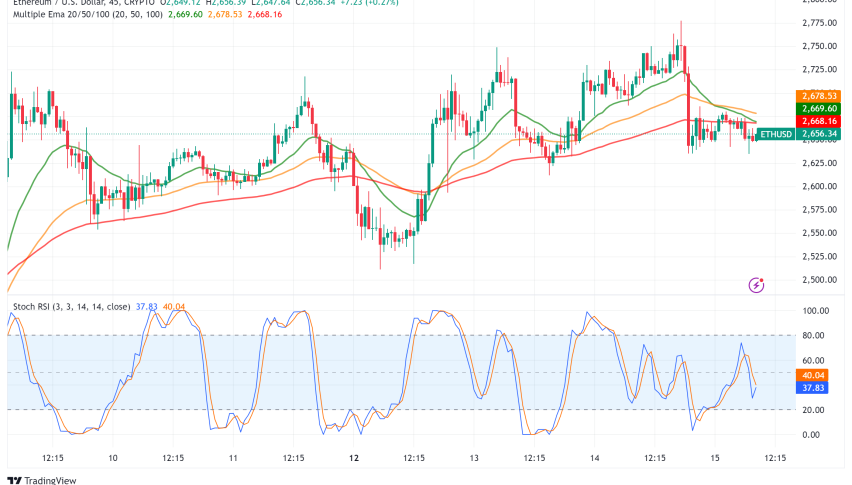
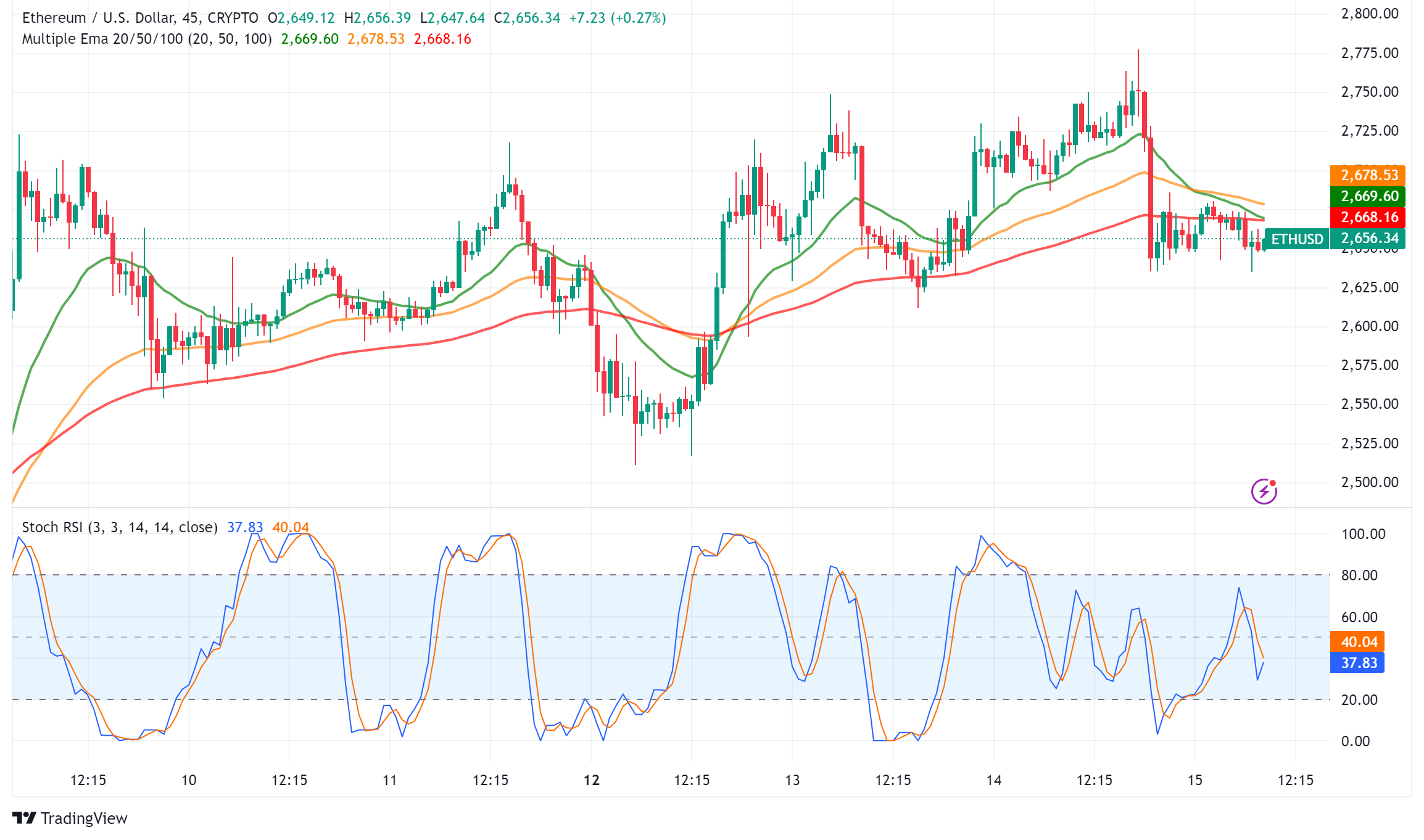
While the market grapples with the implications of Jump Trading’s actions and the broader Ethereum ecosystem evolves, the price of ETH has been consolidating. After a failed attempt to break above the $2,750 resistance, ETH is trading near $2,635. Technical indicators suggest potential downside risks, with support levels at $2,635, $2,600, and $2,550.
- Check out our free forex signals
- Follow the top economic events on FX Leaders economic calendar
- Trade better, discover more Forex Trading Strategies
- Open a FREE Trading Account
- Read our latest reviews on: Avatrade, Exness, HFM and XM

Related Articles



Sidebar rates

Related Posts
 Save
Save