Intel Stock INTC Heads Above $50 on Core Ultra Chip, Foundry Hopes, Insider Buying
Intel is picking up steam after a rough start to the year thanks to insider confidence, foundry rumors, and renewed product excitement.
Quick overview
- Intel's stock is recovering after a volatile start to the year, driven by renewed product excitement and speculation about partnerships with Nvidia and Apple.
- Leaked performance data for the upcoming Core Ultra 9 290K Plus processor suggests significant improvements over its predecessor, boosting investor confidence.
- Insider buying by Intel's CFO indicates management's belief in the stock's undervaluation, further stabilizing market sentiment.
- Despite a cautious earnings forecast leading to a sell-off, the market is beginning to focus on Intel's long-term growth potential and strategic advancements.
Live INTC Chart
[[INTC-graph]]
Intel is picking up steam after a rough start to the year thanks to insider confidence, foundry rumors, and renewed product excitement.
A Volatile Start to the Year Gives Way to Renewed Optimism
Intel’s shares have endured a dramatic ride since January, marked by a sharp rally followed by an equally abrupt pullback. Last week, however, sentiment shifted decisively when reports surfaced suggesting Nvidia may tap Intel’s foundry services for future GPUs. That speculation sparked a renewed bid in the stock, a move that has carried into this week.
On Monday, Intel shares jumped roughly 5%, extending last week’s gains as fresh product news reinvigorated investor enthusiasm. The rebound reflects a growing belief that Intel’s long-term turnaround story—while uneven—is beginning to show tangible signs of progress.
Core Ultra 9 Leak Reignites Product Excitement
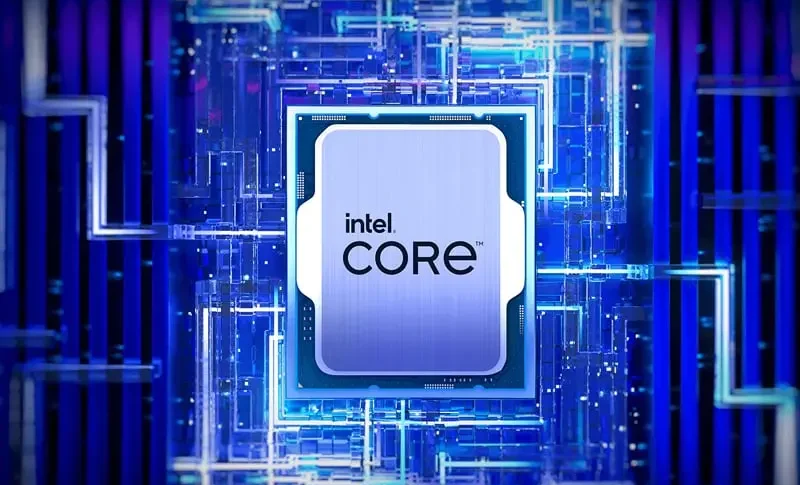
Fueling the latest rally was leaked performance data surrounding Intel’s upcoming Core Ultra 9 290K Plus processor. Early reports suggest the chip could deliver a meaningful performance uplift over the existing Ultra 9 285K, positioning it as a compelling flagship for Intel’s next desktop lineup.
According to the leaks, the 290K Plus may offer up to 11% faster multi-core performance and roughly 10% stronger single-core gains compared with its predecessor. Notably, these improvements appear to come without a radical redesign. The chip is expected to retain the same 24-core, 24-thread configuration, with gains driven by higher clock speeds and improved thermal design power (TDP).
Benchmark figures underscore the optimism. The 290K reportedly scored 3,535 in single-core testing and 25,106 in multi-core, outperforming not only its immediate predecessor but also offering competitive results against AMD’s latest offerings. In direct comparisons, the 290K Plus is said to beat AMD’s Ryzen 9 9950X3D by 4% in single-core performance and 13% in multi-core tests, a result that caught the market’s attention.
For investors, the takeaway is simple: Intel’s product roadmap may finally be regaining credibility after years of execution missteps.
Foundry Ambitions Get a Boost from Industry Heavyweights
Beyond product news, Intel’s longer-term strategic narrative received a boost from DigiTimes Asia, which reported that both Apple and Nvidia are exploring limited partnerships with Intel for select chips later this decade.
The discussions reportedly focus on 2028-era designs, reflecting a potential shift toward dual-foundry sourcing as major U.S. technology firms respond to domestic manufacturing incentives and supply-chain resilience requirements. Nvidia’s next-generation “Feynman” platform is expected to keep core GPU dies at TSMC, but may move portions of the I/O die and advanced packaging to Intel. This would leverage Intel’s EMIB chip-to-chip packaging technology, and potentially its future 14A process, assuming yield targets are met.
Apple, meanwhile, is said to be considering Intel for entry-level M-series chips, driven more by cost, politics, and diversification than dissatisfaction with TSMC. While still speculative, the reports suggest Intel’s foundry business is no longer being dismissed outright by industry leaders.
Insider Buying Strengthens the Confidence Signal
Adding further support to the improving narrative was insider activity. Intel CFO David Zinsner disclosed the purchase of 5,882 shares at $42.50 in late January, a move that resonated with investors following the post-guidance sell-off.
Insider buying at key support levels often sends a powerful message, and in this case it reinforced the view that management believes the stock was undervalued after its sharp decline. While not a guarantee of future performance, the purchase helped stabilize sentiment during a fragile period.
Technical Picture: Support Holds, Momentum Returns
From a technical perspective, Intel’s earlier earnings-driven sell-off erased a breakout above $54, sending shares sharply lower toward the $42.50 zone. That level proved critical, aligning with previous October highs and acting as firm support.
INTC Chart Daily – Bouncing Off $42.50 Support

The successful defense of that area set the stage for the current rebound. With shares now pushing back toward the $50 region, attention is shifting to whether Intel can reclaim former resistance and reestablish a sustainable uptrend. The speed of the bounce suggests that buyers remain willing to step in aggressively when valuations appear compelling.
Strong Q4 Results Lost in the Guidance Shadow
Fundamentally, Intel’s latest earnings report told a more constructive story than the market initially rewarded. The company posted adjusted EPS of $0.15, comfortably beating expectations, while revenue reached $13.67 billion, also ahead of forecasts.
Margins were a standout. Adjusted gross margin rose to 37.9%, while adjusted operating margin improved to 8.8%, signaling real progress in cost control after years of margin compression. These gains offered evidence that Intel’s restructuring efforts are beginning to pay off, even as it continues to invest heavily in manufacturing and R&D.
Segment Results Highlight Strategic Progress
Performance across business units was mixed but encouraging in key areas. Datacenter & AI revenue climbed to $4.74 billion, beating estimates and underscoring resilient demand despite intense competition. Intel Foundry revenue reached $4.51 billion, also exceeding expectations and lending early credibility to Intel’s contract manufacturing ambitions.
The Client Computing Group, however, lagged, reflecting ongoing softness in the global PC market. While not ideal, the divergence reinforced the idea that Intel’s future growth is increasingly tied to datacenter and foundry success rather than traditional PCs alone.
Guidance Sparks Sell-Off—but the Story Isn’t Over
Despite the solid quarter, Intel’s March-quarter guidance triggered a sharp market reset. Management forecast breakeven adjusted EPS and revenue between $11.7 billion and $12.7 billion, alongside a dip in gross margin to 34.5%.
That cautious outlook sent shares down nearly 18%, as investors reassessed the pace of recovery. Yet, the subsequent rebound suggests the market may now be willing to look beyond near-term softness, focusing instead on product momentum, strategic partnerships, and a slowly improving operational foundation.
- Check out our free forex signals
- Follow the top economic events on FX Leaders economic calendar
- Trade better, discover more Forex Trading Strategies
- Open a FREE Trading Account
- Read our latest reviews on: Avatrade, Exness, HFM and XM

Related Articles
Sidebar rates

Related Posts
 Save
Save