South Africa Petrol and Diesel Prices in Focus as Oil Slides on “Peace Trade”
Markets turned optimistic as easing geopolitical tensions drove a decline in oil prices, raising expectations of lower petrol and diesel...

Quick overview
- Markets are optimistic as easing geopolitical tensions lead to a decline in oil prices, raising hopes for lower petrol and diesel prices in South Africa.
- Global sentiment improved following positive remarks from Donald Trump about diplomatic progress, contributing to the 'peace trade' in oil markets.
- Despite the global oil price drop, South Africa's fuel market faces structural pressures, with supply constraints affecting petrol availability.
- Rising diesel costs and uneven supply conditions are straining the transport sector, with significant impacts on operating costs for transport operators.
Live USOIL Chart

Markets turned optimistic as easing geopolitical tensions drove a decline in oil prices, raising expectations of lower petrol and diesel prices in South Africa.
Peace Trade Gains Momentum
Global markets continued to embrace the “peace trade,” with oil prices reversing lower as investors priced in a higher probability of diplomatic progress. Sentiment improved following remarks from Donald Trump, who indicated ongoing progress in discussions and suggested the possibility of a second meeting in Pakistan. His tone was viewed as constructive, reinforcing expectations that a negotiated outcome remains on the table.
Middle East Developments Support Sentiment
Additional support came from developments in the Middle East. The Lebanese ambassador noted that a preliminary meeting with Israel had been positive, contributing to a more constructive regional backdrop. At the same time, reports suggested Iran has refrained from testing a U.S. blockade of the Strait of Hormuz, which markets interpreted as a sign of restraint and reduced escalation risk. Together, these factors helped reinforce the downward pressure on crude oil prices.
South Africa Fuel Supply and Pricing Pressure
Despite the softer global oil backdrop, South Africa’s fuel market continues to face structural pressure. Engen is reportedly substituting portions of its 93-octane petrol with 95-octane due to supply constraints. The group operates more than 1,000 fuel stations nationwide, making its decisions significant for domestic fuel availability.
Transport Sector Strain Intensifies
Meanwhile, farmers and the road freight industry are warning about rising diesel costs and uneven supply conditions. The Road Freight Association’s CEO, Gavin Kelly, highlighted that diesel costs surged by 32.5% at the start of April. Diesel typically accounts for 35% to 55% of total operating costs for transport operators, meaning sharp increases are quickly transmitted into margins. With fuel paid upfront and client payments often delayed, cash flow pressures across the logistics chain are intensifying.
Oil Rally Reverses Sharply
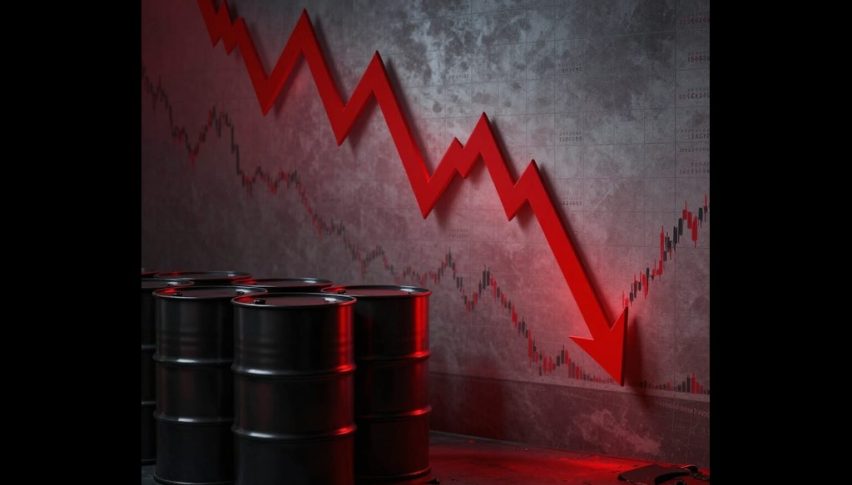
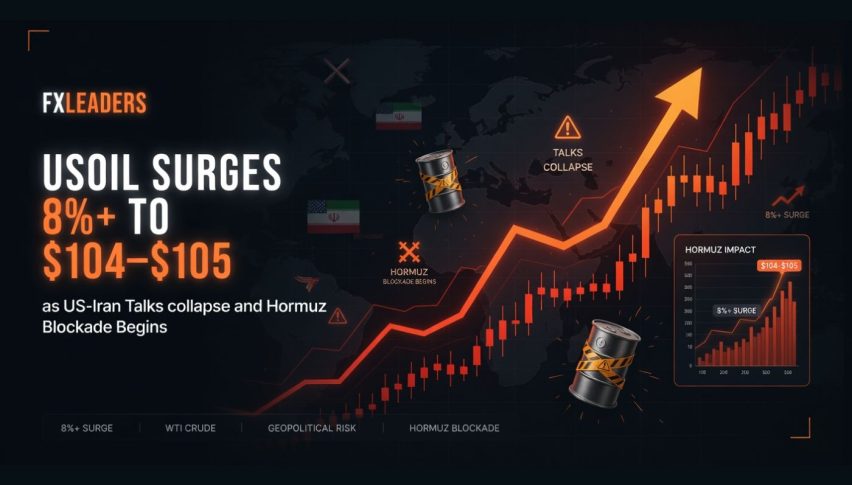
Despite opening the week with strong gains, oil prices quickly lost momentum. WTI crude surged to around $105 in early trading after closing near $96.50 but failed to hold those levels.
As the session progressed, prices reversed sharply, falling back toward $97 by the U.S. close and extending losses into the low $90s on Tuesday. This wide price swing highlights how sensitive oil markets remain to geopolitical headlines and shifting expectations.
WTI Chart Daily – A Strong Bearish Reversal

Inventory Data Adds Pressure
Private inventory data further weighed on oil sentiment ahead of official U.S. figures:
- Crude oil: +610K vs. -1.3M expected (bearish build)
- Gasoline: +626K vs. -2.2M expected (unexpected build)
- Distillates: -3.4M vs. -2.5M expected (supportive draw)
- Cushing: -1.7M (draw)
The surprise builds in crude and gasoline added downside pressure, reinforcing the shift away from bullish momentum.
Market Implications
The combination of easing geopolitical risk and softer oil prices should see petrol prices in South Africa fall as well, although the establishment is trying to keep prices up at any cost. While risks remain—particularly given the unpredictability of negotiations—the current trajectory suggests markets are increasingly pricing in stabilization rather than escalation.
- Check out our free forex signals
- Follow the top economic events on FX Leaders economic calendar
- Trade better, discover more Forex Trading Strategies
- Open a FREE Trading Account
- Read our latest reviews on: Avatrade, Exness, HFM and XM

Related Articles
Sidebar rates

Related Posts
 Save
Save