South Africa Stocks Face 10% Correction Amid Economic Challenges
South Africa stocks face a 10% correction as economic challenges mount. Learn what this means for traders.

Quick overview
- South Africa's financial markets are facing pressure, with local stocks indicating a potential 10% correction.
- The Johannesburg Stock Exchange is experiencing volatility, influenced by global economic challenges and local uncertainties.
- Despite a bearish outlook, some analysts see the market dip as a potential buying opportunity, particularly in resilient sectors.
- Traders should focus on risk management and stay informed about macroeconomic trends and sector-specific performances.
Live USD/ZAR Chart


South Africa’s financial markets are currently under pressure, with local stocks signaling a potential 10% correction. Investors are closely monitoring macroeconomic factors and market trends.
Behind the Headline
According to Moneyweb, South African stocks are poised for a significant downturn, with a potential 10% correction looming. The local market has been grappling with deepening losses, largely attributed to global economic headwinds and local economic uncertainties. As reported by Business Tech, there are still signs of resilience in certain sectors, but the overall sentiment remains cautious.
South Africa Market Angle
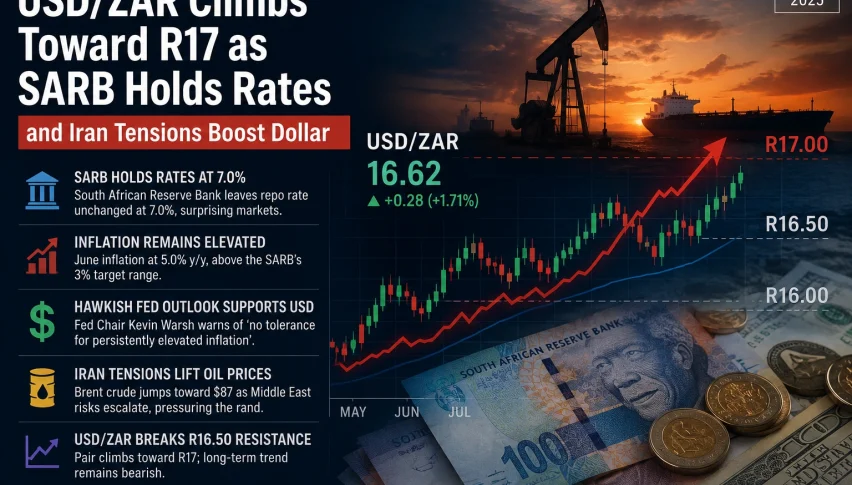
The Johannesburg Stock Exchange (JSE) has been feeling the heat as market volatility persists. The South African Reserve Bank (SARB) has maintained a hawkish stance, keeping interest rates elevated to combat inflation, which has exerted additional pressure on the rand. The local currency has struggled to maintain stability against major currencies, impacting investor confidence. The debut of Cell C on the JSE, as noted by Dabafinance, adds a new dynamic to the market, offering a glimmer of hope amid the broader market challenges.
Contrary Angle
Despite the prevailing bearish outlook, some analysts argue that the current market dip could present a buying opportunity. Historically, South African markets have shown resilience and the ability to bounce back from downturns. The underlying fundamentals of certain sectors, such as telecommunications and finance, remain strong, suggesting that the market may recover more swiftly than anticipated.
Why Traders Should Care
For traders, understanding the broader economic context is crucial. The potential 10% correction on the JSE highlights the importance of risk management strategies. Traders should closely watch the SARB’s policy announcements and global economic indicators that could affect the rand. Additionally, monitoring sector-specific performances could uncover opportunities for strategic trades, particularly in resilient sectors like telecommunications.
Conclusion
As South Africa navigates its current economic challenges, traders must remain vigilant and informed. While the threat of a market correction looms, opportunities may exist for those willing to delve deeper into sector-specific performances and macroeconomic trends. Staying informed and adaptable will be key to navigating the evolving financial landscape.
- Check out our free forex signals
- Follow the top economic events on FX Leaders economic calendar
- Trade better, discover more Forex Trading Strategies
- Open a FREE Trading Account
- Read our latest reviews on: Avatrade, Exness, HFM and XM

Related Articles


Sidebar rates

Related Posts
 Save
Save