Hormuz Blockade Forces Kuwait, UAE to Slash Oil Output
Quick overview
- Kuwait and the UAE are cutting oil production due to threats against shipping in the Strait of Hormuz, impacting global supply.
- Kuwait's production cut began at 100,000 barrels per day and is expected to nearly triple, while the UAE continues to utilize alternative export routes.
- The situation has led to a rise in oil prices, closing at nearly $93 per barrel, the highest in over two years, raising concerns about global inflation.
- Other regional producers, including Saudi Arabia and Qatar, have also reduced production in response to storage issues.
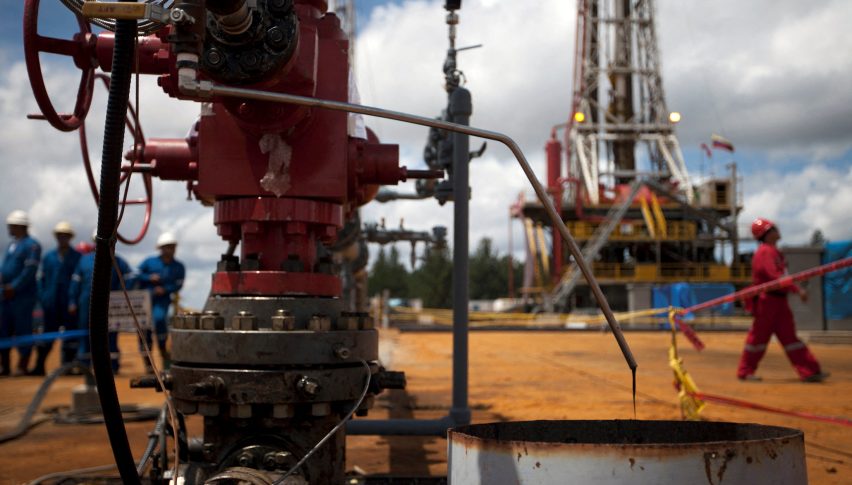
Kuwait and the United Arab Emirates began cutting back on oil production because of the impending closure of the vital Strait of Hormuz, which impacted global supply and energy markets. Abu Dhabi National Oil stated in a statement that it is “managing offshore production levels to address storage requirements.
Petroleum Kuwait Corp. claimed that due to “Iranian threats against safe passage of ships through the Strait of Hormuz,” it was reducing production at both its refineries and oil fields. Due to Iranian threats to shipping, the Middle East war has virtually shut down Hormuz, the narrow waterway that connects the Persian Gulf to the open seas.
This has hindered exports from the world’s largest oil-producing region and contributed to London’s prices closing at nearly $93 per barrel, the highest level in over two years. As a result, consumers are looking for alternatives, which could lead to an increase in global inflation.
Kuwait’s oil cutback began with roughly 100,000 barrels per day as of early Saturday and is anticipated to nearly triple on Sunday, with further gradual reductions depending on storage levels and the status of Hormuz. As the third-largest producer in OPEC, the UAE pumped over 3.5 million barrels per day in January.
It uses export capacity that avoids the Strait of Hormuz and its international storage facilities to guarantee supply to international markets. Adnoc runs a 1.5 million barrel-per-day pipeline to Fujairah on the western coast of the United Arab Emirates. According to Adnoc, its onshore operations are carrying on as usual.
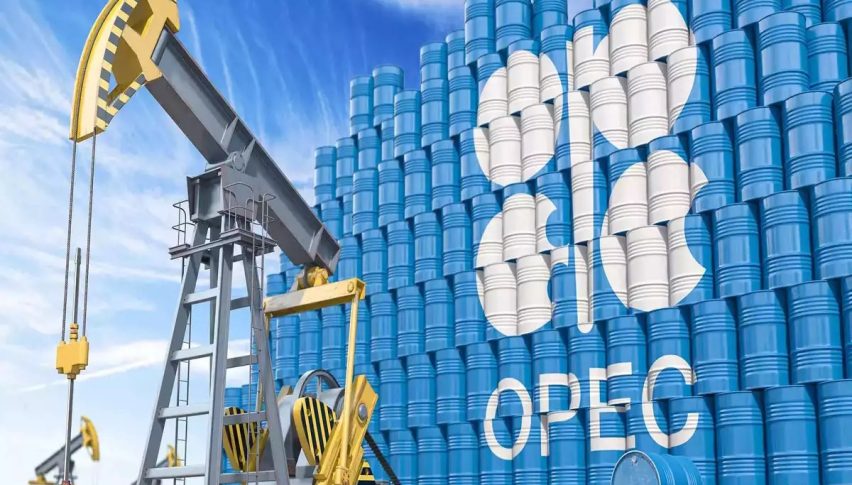
The two OPEC members’ cutbacks come after several others in the area. Earlier this week, Saudi Arabia closed its largest refinery, Qatar closed the largest liquefied natural gas plant, and Iraq began to reduce production as storage tanks began to fill up.
- Check out our free forex signals
- Follow the top economic events on FX Leaders economic calendar
- Trade better, discover more Forex Trading Strategies
- Open a FREE Trading Account
- Read our latest reviews on: Avatrade, Exness, HFM and XM

Related Articles


Sidebar rates

Related Posts
 Save
Save