Shock Exit: UAE Leaves OPEC as War Shakes Oil Prices and Gulf Stability
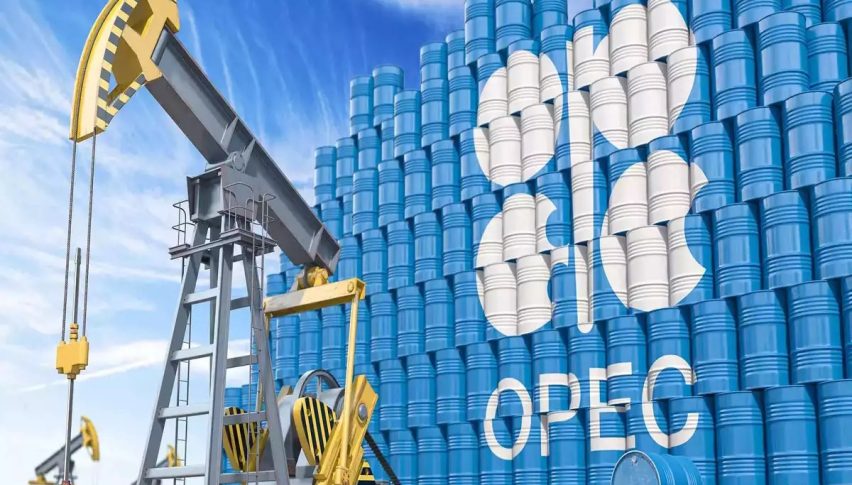
The United Arab Emirates' decision to leave OPEC next month is a major blow to the organization and raises concerns about its future.
Quick overview
- The UAE will leave OPEC on May 1st after 60 years of membership, marking a significant blow to the organization.
- This decision stems from ongoing conflicts with Saudi Arabia over oil output policy and regional political influence.
- The UAE aims to be a flexible and responsible producer, citing market undersupply as a reason for its departure.
- Experts suggest that the UAE's exit could lead to a structurally weaker OPEC in the long term.
The United Arab Emirates’ decision to leave OPEC next month is a major blow to the organization and raises concerns about its future.
The UAE’s decision to leave OPEC on May 1st, after 60 years of membership, is the result of years of conflict with Saudi Arabia, the organization’s leader, over oil output policy and competition for political influence in the region. It’s also the most recent example of how the war is changing the world’s energy markets
. Although the UAE has previously discussed leaving OPEC, Energy Minister Suhail Al Mazrouei stated in an interview that the disruption caused by the conflict made it the right time to do so. “We made this decision after carefully and thoroughly reviewing all of our strategies,” he stated. We believe that the decision was made at the right time because the market is undersupplied, and it won’t have a significant impact.
He stated that the UAE will be a “responsible” producer and that the shortages brought on by the conflict will necessitate flexibility to meet market demands without being limited by the group’s collective decision-making process. The country has long objected to OPEC’s restrictions and is one of the few producers with significant excess production capacity.
The Organization of the Petroleum Exporting Countries has suffered a serious setback with the departure of a key member, US President Donald Trump, who has frequently chastised the group for its attempts to support oil prices.
The UAE was OPEC’s third-largest producer before the conflict, making up about 12% of the group’s total supply. Jorge Leon, head of geopolitical analysis at Rystad Energy and a former member of the OPEC secretariat, stated that “the longer-term implication is a structurally-weaker OPEC.”. “The UAE would have both the incentive and the outside group.
- Check out our free forex signals
- Follow the top economic events on FX Leaders economic calendar
- Trade better, discover more Forex Trading Strategies
- Open a FREE Trading Account
- Read our latest reviews on: Avatrade, Exness, HFM and XM

Related Articles

Sidebar rates

Related Posts
 Save
Save