Oil Spike and Weak Rand Threaten Major R7 SA Petrol Price Hike but Trump Saves the Day
Due to a recent jump in global oil prices and a declining rand, fuel prices for South African drivers may climb dramatically in April...

Quick overview
- South African motorists may see fuel prices rise by R2 to R4 per litre in April due to a surge in global oil prices and a weaker rand.
- The increase is driven by heightened tensions in the Middle East following U.S.–Israeli airstrikes on Iran, pushing Brent crude prices close to $120 per barrel.
- Significant under-recoveries in petrol and diesel prices indicate that higher retail fuel prices are likely if current conditions persist.
- While recent comments from Donald Trump have led to a pullback in crude oil prices, uncertainty remains regarding future fuel price increases.
Due to a recent jump in global oil prices and a declining rand, fuel prices for South African drivers may climb dramatically in April; however, a late decline in crude prices following Trump’s remarks provides some respite.
Global Oil Spike Triggers Fuel Price Concerns
South Africans are being warned to prepare for a potential fuel price shock, with petrol and diesel prices possibly rising by R2 to R4 per litre in April.
The projected increases follow a dramatic surge in global oil prices after U.S.–Israeli airstrikes on Iran intensified tensions in the Middle East. The conflict sparked fears of supply disruptions across key energy routes, pushing Brent crude prices close to $120 per barrel over the weekend.
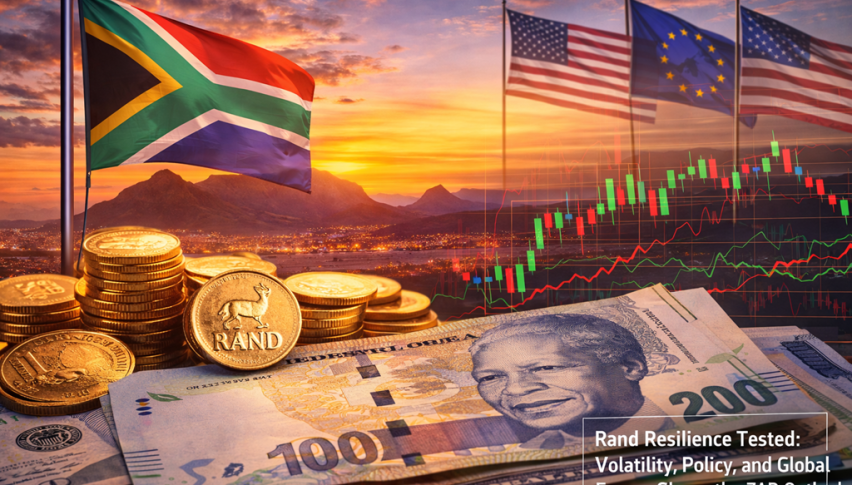
At the same time, the South African rand weakened significantly, amplifying the impact of higher international fuel prices on local pump costs.
Large Under-Recoveries Signal Sharp Increases
According to Kevin Lings, chief economist at Stanlib, the current pricing imbalance suggests significant increases may be unavoidable if conditions persist.
He noted that the daily under-recovery on petrol has jumped to around 185 cents per litre, while diesel under-recovery has surged to approximately 354 cents per litre.
Under-recoveries occur when international oil costs and exchange rate movements push fuel prices higher than the regulated pump price. If sustained, these gaps typically translate into higher retail fuel prices in the following adjustment cycle.
Critics often argue that pump prices tend to rise quickly when oil surges, but take longer to decline when global prices fall.
Additional Taxes Could Add Further Pressure
The potential fuel price increases also come alongside new levies announced in South Africa’s 2026 national budget.
These include planned increases in the fuel levy, Road Accident Fund levy, and carbon taxes, all scheduled to take effect on 1 April. However, the government could still intervene if energy prices continue to surge.
During the COVID-19 crisis in 2020, authorities introduced temporary relief measures to shield consumers from extreme fuel price volatility. A similar response could be considered if global energy markets remain unstable.
Oil Pullback Offers Some Hope
Despite the earlier surge, crude oil prices cooled significantly during the U.S. trading session. After briefly approaching $120 per barrel, oil later fell toward the $80 range, easing some of the pressure on global energy markets.
This decline followed comments from Donald Trump, who suggested that the conflict with Iran could potentially end sooner than previously expected.
Trump stated that Iran’s military capabilities had been severely weakened and indicated the United States was operating ahead of an earlier four-to-five-week timeline for resolving the crisis.
He also noted that the U.S. could assume control of the Strait of Hormuz if necessary to safeguard global energy flows and hinted that Washington may consider easing sanctions on Russian oil exports to stabilize global supply.
Uncertainty Remains for April Fuel Prices
While the pullback in crude oil provides some relief, uncertainty remains high. If oil prices continue falling toward $60 per barrel, the expected April increases could be smaller or potentially delayed.
However, if geopolitical tensions escalate again or the rand weakens further, South African motorists could still face significant fuel price hikes in the coming weeks.
- Check out our free forex signals
- Follow the top economic events on FX Leaders economic calendar
- Trade better, discover more Forex Trading Strategies
- Open a FREE Trading Account
- Read our latest reviews on: Avatrade, Exness, HFM and XM

Related Articles

Sidebar rates

Related Posts
 Save
Save