Crude Oil Price Closes Under $100 as Political Signals and Russian Waiver Cool Energy Markets
Crude oil soared on geopolitical concerns and then reversed amid policy talks and political signals that suggested possible supply...
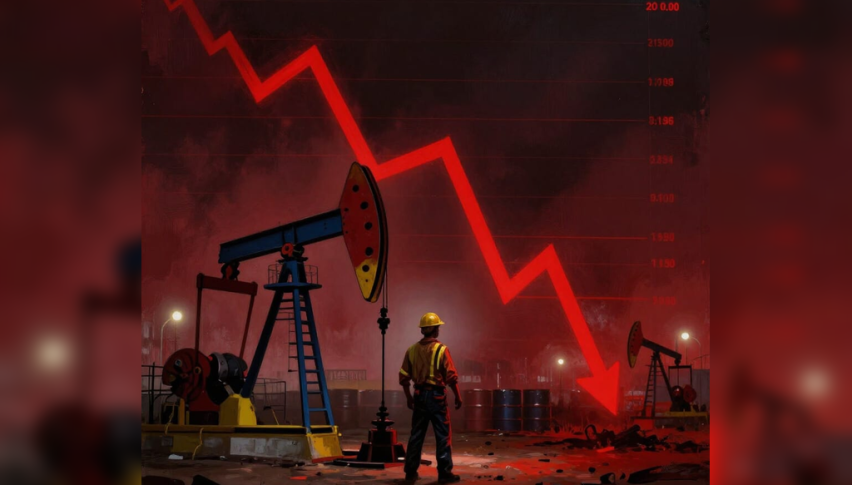
Quick overview
- Global energy markets experienced volatility as crude oil prices surged due to geopolitical tensions, particularly involving Iran.
- The rally was short-lived as U.S. policymakers discussed easing restrictions on Russian oil exports to stabilize prices.
- President Trump's comments about a potential resolution to the Iran conflict contributed to a sharp decline in oil prices.
- Analysts warn that the Strait of Hormuz remains a critical risk, with any disruptions potentially leading to renewed price spikes.
Live USOIL Chart

Crude oil soared on geopolitical concerns and then reversed amid policy talks and political signals that suggested possible supply stabilization, causing severe volatility in the world’s energy markets.
Oil Prices Surge on Geopolitical Tensions
Energy markets opened the week with a strong rally as rising geopolitical risks pushed crude oil prices sharply higher.
Futures for West Texas Intermediate Crude Oil climbed toward $120 per barrel during the Asian trading session, reflecting fears that escalating conflict involving Iran could disrupt global energy supply.
The surge highlighted how sensitive oil markets remain to geopolitical developments, especially when tensions involve key oil-producing regions and strategic shipping routes.
Traders quickly priced in the possibility of prolonged disruptions, particularly around the Strait of Hormuz, one of the world’s most important energy transit chokepoints. A significant portion of global crude oil shipments flows through this narrow corridor, making it a focal point for supply concerns during regional conflicts.
WTI Futures Chart Weekly – Heading Back to the Bottom as Predicted

Policy Talks Ease Market Pressure
The rally, however, proved short-lived as policymakers began exploring options to stabilize global energy markets.
Reports suggested that the United States was considering easing restrictions on Russia’s oil exports to counter rising prices following disruptions linked to the conflict involving Iran.
At the same time, finance ministers from the Group of Seven met to discuss potential responses to the energy market turmoil.
Although markets initially expected an immediate intervention—such as a coordinated release from strategic petroleum reserves—the group postponed a final decision until the following day. The lack of an instant supply response cooled the earlier rally, with crude prices pulling back sharply.
Still, volatility remained elevated as missile exchanges between regional actors continued, leaving traders cautious about the durability of any price decline.
President Trump Comments Trigger Price Reversal
Further downward pressure on oil prices emerged following remarks from President Donald Trump, who suggested that the conflict involving Iran could end sooner than expected.
Trump also indicated that the administration might consider loosening sanctions on Russian oil exports to stabilize global markets.
According to reports, the United States issued a 30-day waiver allowing certain countries to purchase sanctioned Russian oil cargoes stranded at sea, a temporary measure aimed at preventing further spikes in crude prices.
Scott Bessent, U.S. Treasury Secretary, said the waiver was intended to help stabilize energy markets affected by the escalating U.S.–Israel–Iran conflict.
Following these developments, crude oil prices dropped sharply during the session, falling from $97.80 to around $92.40, reversing earlier gains.
Strait of Hormuz Remains the Key Risk
Despite the pullback, analysts note that the Strait of Hormuz remains the central risk for global energy markets.
Any disruption to shipping in this critical corridor could quickly send prices higher again, as the route carries a large share of global oil exports from Middle Eastern producers.
As a result, energy markets remain highly sensitive to military developments in the region.
Bank of America feels bearish.
“We suggest fading oil >$100/bbl, US$ (DXY) >100, 30-year UST yield >5%, SPX <6.6k, levels set to provoke war/oil/Fed/tariff policy response to short-circuit Main St risks”
Broader Market Impact
The shift in oil prices also influenced broader financial markets.
Major U.S. stock indices rebounded after Trump’s comments raised hopes that geopolitical tensions could eventually ease. Investors interpreted the remarks as a sign that diplomatic solutions could still emerge.
Looking ahead, analysts view the $80 per barrel level as an important support zone for crude oil prices.
If geopolitical tensions ease further, crude could potentially drift toward $60 per barrel. However, continued uncertainty surrounding Middle Eastern security and global energy supply means volatility in oil markets is likely to remain elevated for the foreseeable future.
US WTI Crude OIL Futures Live Chart
- Check out our free forex signals
- Follow the top economic events on FX Leaders economic calendar
- Trade better, discover more Forex Trading Strategies
- Open a FREE Trading Account
- Read our latest reviews on: Avatrade, Exness, HFM and XM

Related Articles

Sidebar rates

Related Posts
 Save
Save