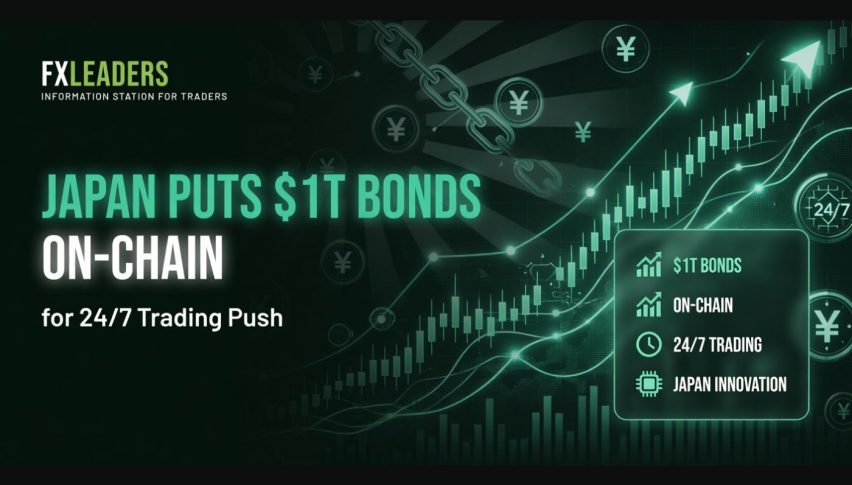
Japan Puts $1T Bonds On-Chain for 24/7 Trading Push
Japan's biggest banks - Mizuho Financial Group and Nomura Holdings among them - have decided to give blockchain a spin in a pilot...
Quick overview
- Japan's largest banks are piloting a blockchain project to tokenize government bonds for collateral, aiming for near real-time trade settlements.
- The initiative, supported by the Financial Services Agency, seeks to modernize the management of Japan's $1 trillion government bond market.
- By utilizing blockchain, the trial could reduce settlement risks, lower operational costs, and extend trading hours beyond traditional limits.
- The outcomes of this trial may serve as a model for other sovereign markets looking to adopt similar blockchain innovations.
Japan’s biggest banks – Mizuho Financial Group and Nomura Holdings among them – have decided to give blockchain a spin in a pilot to see if tokenising Japanese government bonds, to be used as collateral, has any legs. The trial is being run with Japan Securities Clearing Corporation and Digital Asset on the Canton Network and aims to make it possible to settle trades almost in real-time – and even have trading going on for 24 hours a day in what is one of the world’s biggest government bond markets.
The Financial Services Agency had given the green light to the project earlier this year – part of their “payment innovation” framework – which suggests the regulators think modernising the way these markets are run is really important.
How On-Chain Collateral Might Revolutionise Bond Markets
Japan’s government bond market is a big one, worth over One trillion dollars equivalent, but to be honest, managing collateral in this market can be a bit of a headache – often it takes manual effort and a lot of delays to get things sorted.
But if we were to move these processes onto the blockchain, well, that could make a huge difference:
- Real-time transfers of collateral between institutions and their clients
- Less chance of settlement risks because data is shared in real-time
- Lower costs for the people who have to deal with operational issues because they don’t have to do as much manual work to get everything sorted
- Longer trading hours – beyond just the times when the market is normally open
This trial is being done in a way that keeps the bonds as registered securities, which means it is all still totally compliant with the existing regulations.
INTEL: Japan’s JSCC teams up with Mizuho and Nomura to pilot government bonds on blockchain pic.twitter.com/7gWJNZBCJ2
— Solid Intel 📡 (@solidintel_x) April 21, 2026
Blockchain Adoption is Hurting for Some Serious Momentum
This project in Japan is just one of many big financial institutions trying out blockchain for capital markets – the Canton Network is already working with firms like JPMorgan Chase, Goldman Sachs and the Depository Trust and Clearing Corporation.
These projects are all about tokenising traditional assets – like government bonds – to speed up the settlement and make it easier to manage which assets are available to trade at any given time – all of which should help with liquidity.
By joining this whole ecosystem, Japan is putting its sovereign debt market in a global network of interoperable financial platforms, alongside all the other big players.
Being able to move collateral around the world in near real-time could make Japanese government bonds a lot more attractive to investors from around the world – especially when the markets are getting jittery.
The Market Implications for Digital Tech and “Old School” Finance
While this trial is all about the traditional stuff, its implications are much broader. The integration of blockchain into the heart of mainstream finance could help make digital technologies like crypto more mainstream.
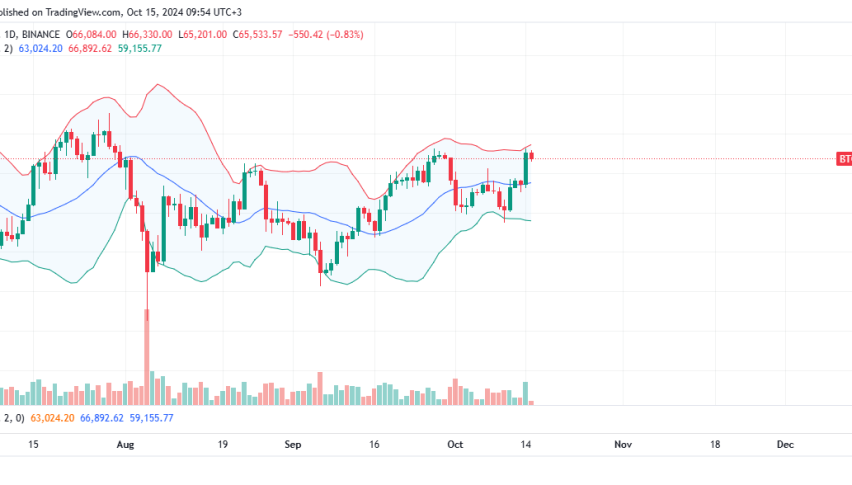
At the moment, Bitcoin is hanging out around $75,000, being supported by big investors putting in lots of cash and generally improving market sentiment. The more that blockchain and crypto become a part of the mainstream, the more real that tech will become for investors and the less it will feel like some wild speculation.
For traders and investors, the most important thing right now is that we are seeing a big shift in the way finance is connected – as we start to see more tokenisation, liquidity is going to start moving more freely between different asset classes, making it easier to do trades and open up new trading opportunities.
When the results of Japan’s trial come out in September, it will probably give a lot of other sovereign markets a blueprint to follow if they want to make similar changes.
- Check out our free forex signals
- Follow the top economic events on FX Leaders economic calendar
- Trade better, discover more Forex Trading Strategies
- Open a FREE Trading Account
- Read our latest reviews on: Avatrade, Exness, HFM and XM

Related Articles
Sidebar rates

Related Posts
 Save
Save