U.S. Expected to Boost Natural Gas Exports by 30% Next Year
Natural gas prices in the United States ticked up and could move higher as exports increase due to new production facilities.

Quick overview
- Natural gas prices in the U.S. rose to $2.61 per MMBtu following an EIA report predicting a 30% increase in LNG exports by 2027.
- LNG production facilities are expected to ramp up output with new projects and expansions, primarily targeting exports to Mexico.
- Despite recent stagnation in the U.S. natural gas market, pipeline exports are projected to grow by 4% this year and 2% next year.
- The ongoing global energy crisis, particularly due to conflict in Iran, has contributed to increased U.S. LNG export growth.
Natural gas prices in the United States ticked up to $2.61 per MMBtu on Thursday following a report from the EIA that LNG exports should increase by 30% in 2027.
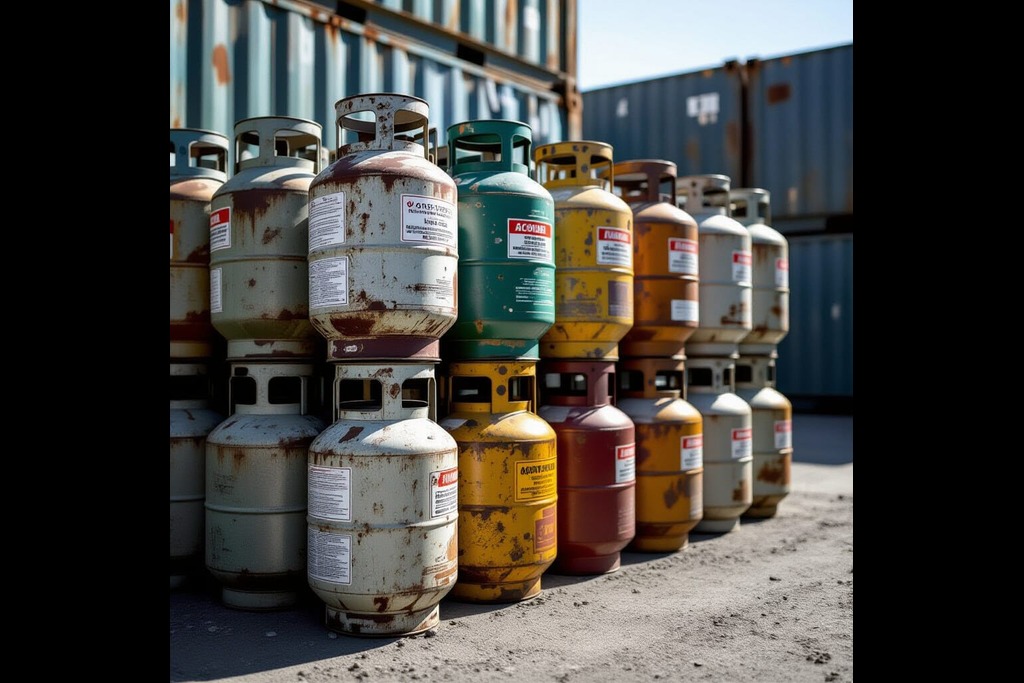
LNG production facilities in the U.S. are expected to increase their output in the coming months, with more facilities added and more production lines added to existing facilities. Multiple export projects in the United States are ramping up their output in anticipation of a growing export market.
Most of the exports should be going to Mexico, according to the EIA report issued Thursday. Expected growth is around 18% through 2026 and then 10% more in 2027. If their estimates are correct, the U.S. would be exporting 20.5 billion cubic feet per day of natural gas to other countries.
Export Surge Could Pull LNG Rates Out of Rut
The U.S. natural gas market has stagnated recently, with prices dropping to a range between $2.58 to $2.62 per MMBtu. The price may continue to decrease over the next few weeks as heating demand drops and warm weather persists. Domestic LNG inventories are high right now, with a higher than normal injection reported by the EIA for the week of April 3rd.
Compounding the price pressure is the U.S.’ stagnate export market. While exports grew during the winter months, the amount of gas being exported has decreased since the weather began to warm. Those warm temperatures are of course spreading to other parts of the world as spring gets underway, but export levels could increase soon.
Natural gas pipeline exports are anticipated to increase by 4% by the end of this year and then another 2% next year. That growth is only natural as pipelines ramp up production and new facilities open up. The South American region is growing quickly thanks to the interim Venezuelan president agreeing to contracts with energy producers. We anticipate that the rapid growth in that area will increase interest from countries around the world in getting their oil from alternative, perhaps cheaper sources.
The global energy crisis created by conflict in Iran has also helped spur export growth in the United States. During much of the conflict, exports increased, but only marginally, as suppliers outside the United States were better positioned to meet global energy needs. This week, Iran and the United States are supposed to meet to discuss terms of peace, but the region still remains a hotbed of military activity, and oil fields and production facilities in and around Iran are at risk for now.
- Check out our free forex signals
- Follow the top economic events on FX Leaders economic calendar
- Trade better, discover more Forex Trading Strategies
- Open a FREE Trading Account
- Read our latest reviews on: Avatrade, Exness, HFM and XM

Related Articles


Sidebar rates

Related Posts
 Save
Save