South African Economy Recovers in March on Soaring Prices, But It Faces Global Headwinds Ahead
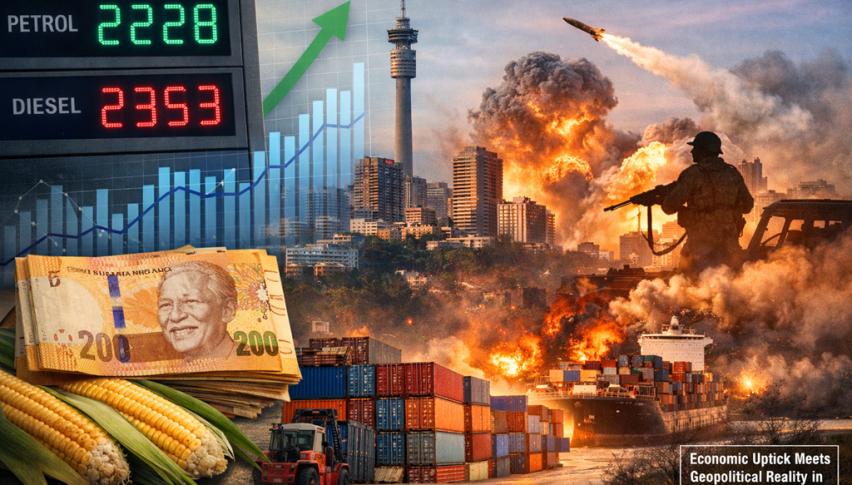
The Middle East war and rising gasoline prices pose a threat to the revival of South Africa's economy, which shown strong pace in March.
Quick overview
- South Africa's economy showed a modest uplift in March, with the PayInc Economic Index rising 0.9% month-on-month.
- New car sales increased by 17.3% year-over-year, indicating improving economic activity.
- Despite positive trends, rising fuel costs and global uncertainty from the Middle East conflict pose significant risks to the recovery.
- The growth forecast for South Africa in 2026 has been cut to 1.0% due to increased external pressures.
The Middle East war and rising gasoline prices pose a threat to the revival of South Africa’s economy, which shown strong pace in March.
Economic Momentum Builds in March
South Africa’s economy recorded a modest uplift in March, with the PayInc Economic Index rising 0.9% month-on-month to 104.7. This places the index 4.6% higher than a year ago, signaling improving economic activity and a strong start to 2026.
Supporting data reinforces this trend. New car sales surged 17.3% year-over-year, while business conditions showed signs of recovery, with both the S&P Global PMI and Absa PMI indicating improving—though still fragile—manufacturing activity.
Tailwinds Supporting Growth
The recent improvement reflects several supportive factors that have been building since 2025. These include moderating inflation, rising real wages, interest rate cuts, and improved consumer and business confidence.
Together, these tailwinds have helped lift economic activity and raised hopes that South Africa may be turning a corner after years of subdued growth.
Global Risks Disrupt the Outlook
Despite the positive momentum, risks are rising. The conflict in the Middle East has significantly altered the global economic outlook, prompting the International Monetary Fund to downgrade global growth to 3.1%.
Both Iran and the US are pushing for a deal, but the global establishment keeps pushing the war narrative, keeping energy prices and risk high. As a result, South Africa’s growth forecast for 2026 has also been cut to just 1.0%, reflecting increased uncertainty and external pressures.
Fuel Prices and Inflation Pressures Mount
The most immediate impact is being felt through fuel prices. Petrol and diesel costs surged sharply in April, despite government intervention. Further increases are expected, with underrecoveries pointing to additional hikes in the coming months.
Higher fuel costs are already feeding into the broader economy. Transport, aviation, security, and manufacturing sectors have begun raising prices, while agricultural groups warn that rising diesel and fertiliser costs will soon push food prices higher.
Conclusion
South Africa’s economy is showing encouraging signs of recovery, but the outlook remains fragile. While domestic conditions have improved, rising fuel costs and global uncertainty could quickly reverse gains, making the coming months critical for sustaining momentum.
- Check out our free forex signals
- Follow the top economic events on FX Leaders economic calendar
- Trade better, discover more Forex Trading Strategies
- Open a FREE Trading Account
- Read our latest reviews on: Avatrade, Exness, HFM and XM

Related Articles
Sidebar rates

Related Posts
 Save
Save