Rand Plunges 1% Amid SARB Rate Hike Speculation, Global Tensions
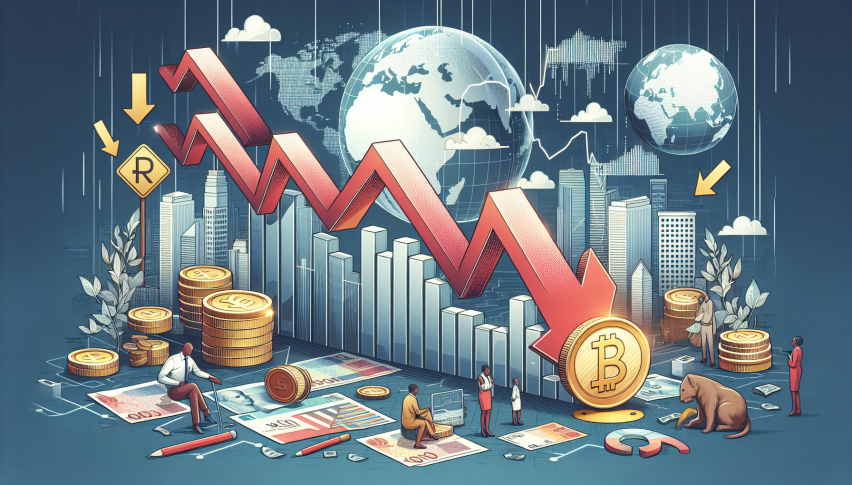
South Africa's rand drops 1% as SARB faces pressure from global tensions and potential interest rate hikes.
Quick overview
- The South African rand has fallen 1% due to concerns over potential interest rate hikes by the SARB and rising global tensions.
- The rand's decline is influenced by inflationary pressures linked to increasing oil prices and geopolitical issues in the Middle East.
- Despite the downturn, some analysts believe the SARB may take a cautious approach to rate hikes, which could support a recovery.
- Traders should monitor SARB policy decisions and global economic indicators to navigate the current volatility and identify trading opportunities.
Live USD/ZAR Chart

The South African rand has taken a hit, sliding 1% amidst growing concerns over potential interest rate hikes by the South African Reserve Bank (SARB) and escalating global tensions.
Behind the Headline
South Africa’s currency took a significant dive as traders reacted to a confluence of domestic and international pressures. According to FXLeaders, the rand’s slump is partly attributed to the SARB’s possible response to rising inflationary pressures, exacerbated by a surge in global oil prices and geopolitical tensions in the Middle East. These factors contribute to an uncertain economic environment, prompting fears of an interest rate hike.
Meanwhile, TradingView notes that despite the current downturn, the rand had previously shown signs of rallying against the US dollar. This optimism was driven by expectations of a dovish stance by the Federal Reserve. However, the latest developments have cast doubt on this trajectory, with investors now bracing for tighter monetary policy both locally and globally.
South Africa Market Angle
The SARB is under the spotlight as it grapples with the dual challenge of supporting economic growth while curbing inflation. The local stock market, the Johannesburg Stock Exchange (JSE), has also felt the tremors of this uncertainty. According to themercury.co.za, rising oil prices, fueled by the ongoing conflict in the Middle East, could lead to increased costs for South African businesses, further impacting the rand’s value. The SARB’s decision will be crucial in determining the rand’s trajectory in the coming months.
Contrary Angle
Despite prevailing concerns, some analysts argue that the SARB may opt for a more measured approach, refraining from aggressive rate hikes. This perspective is supported by the potential for global economic slowdown, which could ease inflationary pressures. Additionally, as reported by Sunday Tribune, the rand’s previous resilience suggests that market dynamics could still support a recovery, especially if geopolitical tensions de-escalate or if the Federal Reserve adopts a softer stance than anticipated.
Why Traders Should Care
For traders, the current volatility presents both challenges and opportunities. The rand’s movement against major currencies such as the US dollar offers potential for strategic trading positions. Monitoring SARB’s policy decisions and global economic indicators will be crucial for traders looking to capitalize on short-term fluctuations. Additionally, keeping an eye on oil price trends and geopolitical developments can provide valuable insights for informed trading strategies.
Conclusion
As South Africa’s rand navigates a complex web of domestic and international factors, the coming weeks will be critical in determining its path. Traders and investors should remain vigilant, as SARB’s decisions and global economic conditions will likely play pivotal roles in shaping the rand’s future.
- Check out our free forex signals
- Follow the top economic events on FX Leaders economic calendar
- Trade better, discover more Forex Trading Strategies
- Open a FREE Trading Account
- Read our latest reviews on: Avatrade, Exness, HFM and XM

Related Articles

Sidebar rates

Related Posts
 Save
Save