Mexican Peso Falls for Second Day on War and Inflation Concerns
Meanwhile, the U.S. Dollar Index (DXY), which tracks the greenback against a basket of six major currencies, rose 0.03% to 99.21 points.
Quick overview
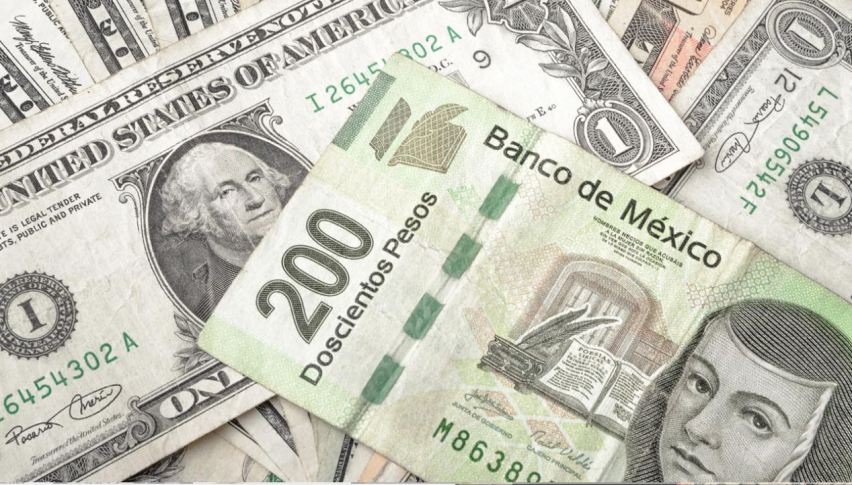
- The Mexican peso weakened against the U.S. dollar for the second consecutive day, closing at 17.3545 pesos per dollar.
- Market focus remains on the U.S.-Iran conflict, with concerns about its impact on global inflation affecting currency values.
- Despite some initial optimism regarding a potential agreement between the U.S. and Iran, comments from Donald Trump dampened investor sentiment.
- Inflation fears persist, with Federal Reserve officials emphasizing the need to manage inflation risks amid ongoing geopolitical tensions.
The Mexican peso weakened against the U.S. dollar on Wednesday, marking its second consecutive daily loss as markets remained focused on the conflict between the United States and Iran and growing concerns over the impact of the war on global inflation.
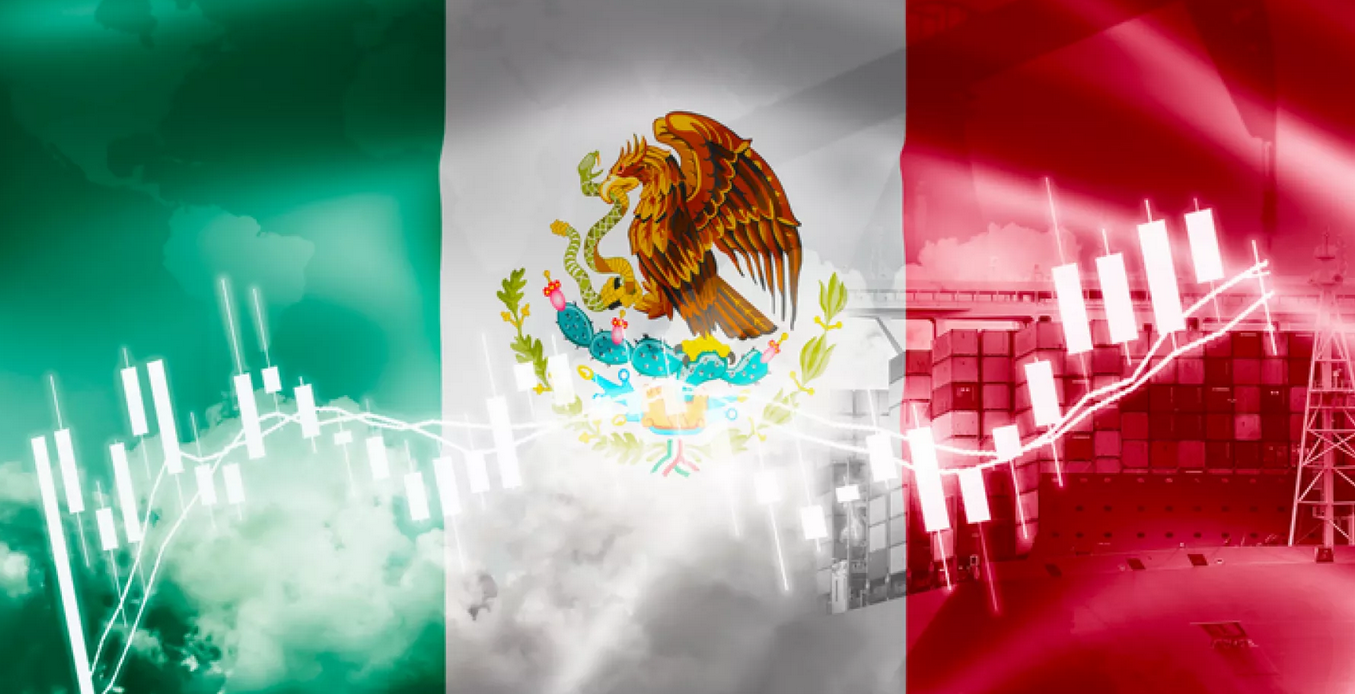
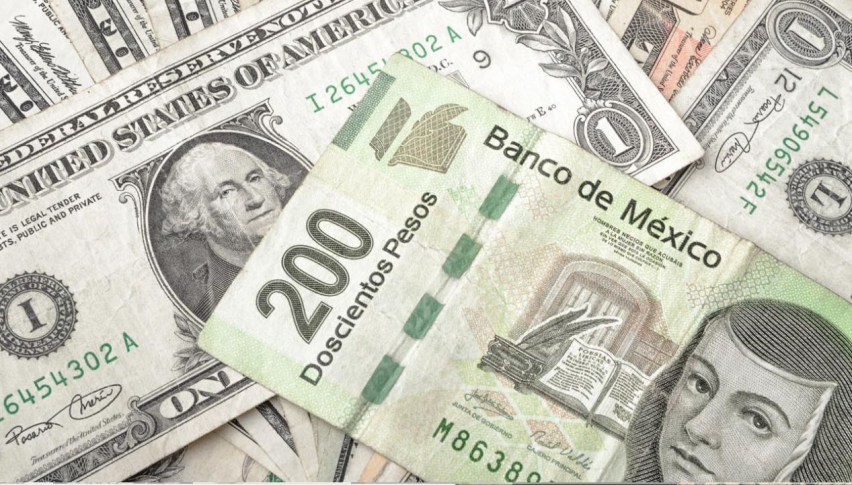
The exchange rate closed at 17.3545 pesos per dollar, compared with 17.2949 in the previous session, according to official data from Banco de México (Banxico). The move represented a loss of 5.96 centavos, or 0.35%, for the Mexican currency.
During the session, the dollar traded between a high of 17.3952 pesos and a low of 17.2852. Meanwhile, the U.S. Dollar Index (DXY), which tracks the greenback against a basket of six major currencies, rose 0.03% to 99.21 points.
Donald Trump Tempers Expectations for Iran Deal
Trump said on Wednesday that Iran remains interested in ending the conflict, which has disrupted global energy supply chains through the closure of the Strait of Hormuz, but added that current conditions for an agreement were still not satisfactory.
Earlier in the session, market sentiment had improved after Iranian state television reported progress toward a possible framework agreement between Washington and Tehran aimed at restoring commercial shipping through the strategic waterway. However, Trump’s comments later tempered investor optimism and shaped the tone of trading.
Although markets have shown signs of stabilization in recent weeks, global volatility remains elevated, and any further geopolitical deterioration could strengthen demand for traditional safe-haven assets such as the U.S. dollar.
Inflation Concerns Remain in Focus
Inflation fears also continued to pressure currencies, as investors worried that the conflict could generate additional price pressures worldwide.
Federal Reserve officials reinforced those concerns on Wednesday. Neel Kashkari said the Fed would need to remain focused on containing inflation risks, while Lorie Logan warned that the global economy may eventually need to reduce its dependence on oil and natural gas consumption.
Analysts noted that the peso maintained a bearish bias despite a broader improvement in global risk appetite, largely because investors continue to expect persistent inflationary pressures over the medium term.
- Check out our free forex signals
- Follow the top economic events on FX Leaders economic calendar
- Trade better, discover more Forex Trading Strategies
- Open a FREE Trading Account
- Read our latest reviews on: Avatrade, Exness, HFM and XM

Related Articles
Sidebar rates

Related Posts
 Save
Save