S&P 500 Stalls at 7,500 After 15% Surge as Micron, AMD, SanDisk Hit Sell-the-News Mode
The S&P 500 is trading in a tight consolidation range around 7,480 to 7,500, coming off a strong second quarter where the index surged nearly 15% to hit an all-time peak near 7,613.

Quick overview
- The S&P 500 is consolidating between 7,480 and 7,500 after a strong second quarter surge of nearly 15%.
- Semiconductor stocks have seen profit-taking, while capital has shifted to energy and defensive sectors.
- The upcoming Q2 earnings season is expected to show over 20% growth in S&P 500 earnings year-over-year, driven by tech and infrastructure investments.
- Despite signs of an economic slowdown, large-cap companies maintain record operating margins, supporting their valuations.
The S&P 500 is trading in a tight consolidation range around 7,480 to 7,500, coming off a strong second quarter where the index surged nearly 15% to hit an all-time peak near 7,613.
The index is trading above its 50-day moving average and forming a textbook consolidation flag, typically a continuation signal following a sustained run-up.

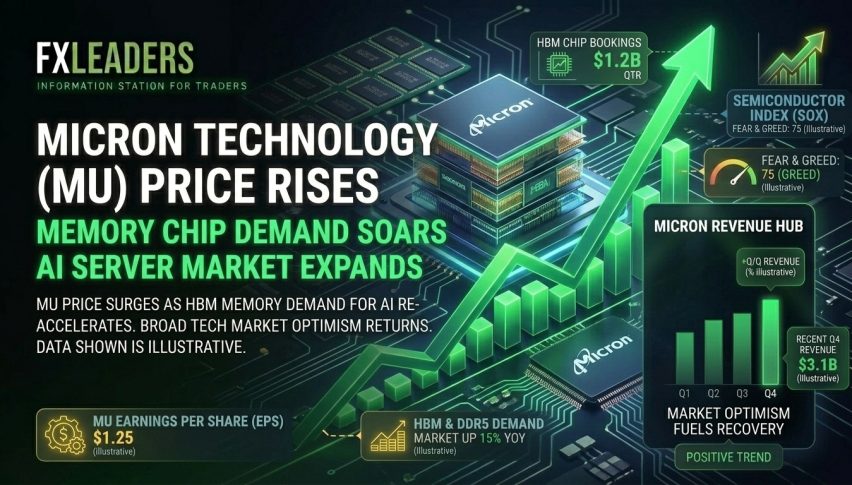
Semiconductor stocks (eg, Micron, AMD, SanDisk) have experienced short-term “sell-the-news” profit-taking after massive rallies. Capital has temporarily rotated into energy, consumer staples, and defensive cyclicals.
The S&P 500’s structural trend remains bullish, backed by real profit expansion rather than pure multiple expansion. However, near-term price action will likely remain choppy until major bank earnings reports and oil market volatility settle down.
The Q2 earnings season is kicking off (led by consumer names like PepsiCo and Delta before major banks report next week). Wall Street consensus projects Q2 S&P 500 earnings growth above 20% year-over-year. Explosive capex spending on AI infrastructure and data center buildouts continues to drive tech hardware, semiconductor, and power/utility earnings.
Renewed friction in the Middle East and uncertainty surrounding US-Iran ceasefire discussions have pushed crude oil prices higher, reviving sticky inflation fears.
Labor market cooling initially raised hopes for rate cuts following a soft June nonfarm payrolls print (57,000 jobs added). However, hawkish signals from Fed Chair Kevin Warsh and FOMC minutes indicating openness to keeping rates higher for longer to tame inflation have capped equity upside.
Economic Slowdown vs. Corporate Health: Broader macro indicators (like the Atlanta Fed’s GDPNow hovering near 1.4%) signal a cooling economy, but record operating margins (~16%) for large-cap constituents continue to underpin valuations.
- Check out our free forex signals
- Follow the top economic events on FX Leaders economic calendar
- Trade better, discover more Forex Trading Strategies
- Open a FREE Trading Account
- Read our latest reviews on: Avatrade, Exness, HFM and XM

Related Articles
Sidebar rates

Related Posts
 Save
Save