Argentina in Talks with U.S. Treasury for Financial Assistance
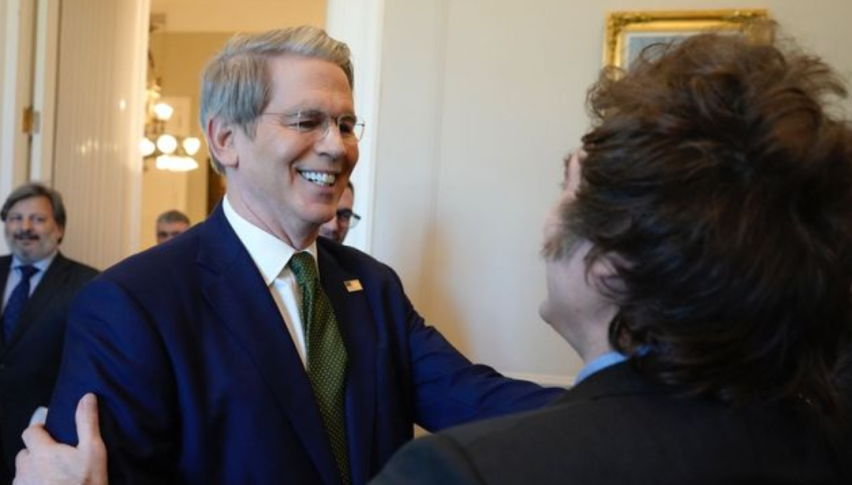
As a gesture of this rapprochement, Bessent visited Buenos Aires in April, one of his first international trips as Treasury Secretary.
Quick overview
- Negotiations are underway in Washington for a potential currency swap arrangement and a tariff agreement between the U.S. and Argentina.
- The Argentine government is seeking financial assistance from the U.S. Treasury amid local market turbulence.
- Discussions include a bilateral trade agreement covering over 100 tariff lines with low duties, reflecting a close relationship between U.S. and Argentine leadership.
- Concerns have been raised about Argentina's foreign currency reserves and the impact of pre-election demand for dollars.
Negotiations are quietly progressing in Washington over a potential currency swap arrangement, following a proposal initially made public by Treasury Secretary Scott Bessent during his visit to Argentina. Talks are also moving forward on a tariff agreement.
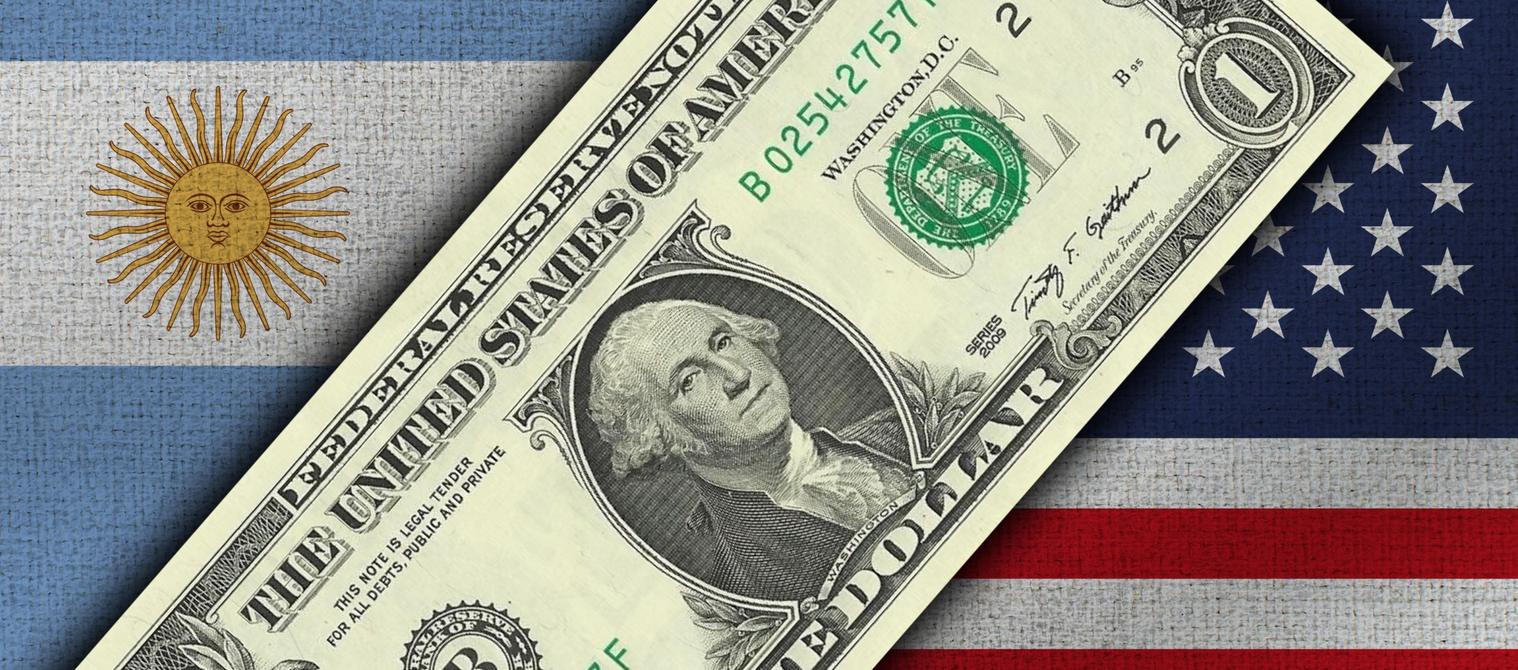
According to sources close to the discussions, the Argentine government is negotiating financial assistance from the U.S. Treasury. Talks are advanced, said sources to local media outlets. While the size of the loan remains under discussion, potential support from Washington would be significant at a time when local markets are facing turbulence.
In parallel, conversations are reportedly advancing on a bilateral trade agreement that would cover more than 100 tariff lines, with duties ranging between 0% and 10%, the lowest band in the U.S. tariff structure.
Private analysts, however, have raised concerns about Argentina’s limited accumulation of foreign currency reserves, noting that the pre-election environment is encouraging precautionary demand for dollars.
U.S. Strategic Support for Argentina
The initiative to provide financial support did not originate with Argentina’s Economy Ministry, but rather from Treasury Secretary Scott Bessent himself.
Earlier this year, at a J.P. Morgan event, Bessent suggested that if Argentina were to face “some sort of external shock,” the U.S. could extend a special credit line “to allow the country to continue with reforms.” He added: “If they stay the course, I would even be willing to use the Exchange Stabilization Fund (ESF) to ease their adjustment, if necessary.”
The initiative is seen as further evidence of the close relationship between Presidents Donald Trump and Javier Milei. Beyond ideological alignment, Milei has emerged as Trump’s key ally in Latin America, in contrast to Washington’s strained ties with Brazil’s President Luiz Inácio Lula da Silva.
Chinese Competition
As a gesture of this rapprochement, Bessent visited Buenos Aires in April, one of his first international trips as Treasury Secretary. At the time, he expressed hope that Argentina would unwind its currency swap with China, reflecting Washington’s concern over Beijing’s influence in Latin America.
Speaking to Bloomberg during that visit, Bessent referred to the $18 billion yuan-denominated swap agreement between the Central Bank of Argentina and the People’s Bank of China. “Under the previous Peronist government, Argentina drew $5 billion, and that amount remains outstanding,” he said. “The Chinese pushed hard after the IMF announcement, so the swap was extended for one year. I believe that as this administration maintains its firm economic policy, they should eventually generate enough foreign inflows to repay it.”
- Check out our free forex signals
- Follow the top economic events on FX Leaders economic calendar
- Trade better, discover more Forex Trading Strategies
- Open a FREE Trading Account
- Read our latest reviews on: Avatrade, Exness, HFM and XM

Related Articles
Sidebar rates

Related Posts
 Save
Save