Wall Street Rallies to Best Monthly Performance Since 2020
A batch of mostly in-line economic data and a pullback in oil prices also helped boost investor sentiment.
Quick overview
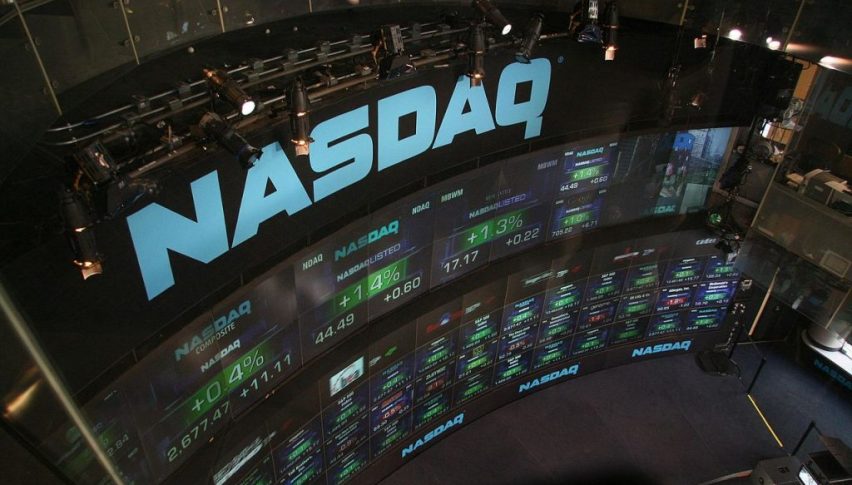
- The S&P 500 and NASDAQ Composite reached record highs, driven by strong earnings from major companies like Alphabet Inc.
- Investor sentiment was bolstered by favorable economic data and a decline in oil prices.
- April was a strong month for Wall Street, with the Dow, S&P 500, and NASDAQ posting significant gains.
- The Federal Reserve held interest rates steady amid internal divisions, while GDP growth showed a slight slowdown.
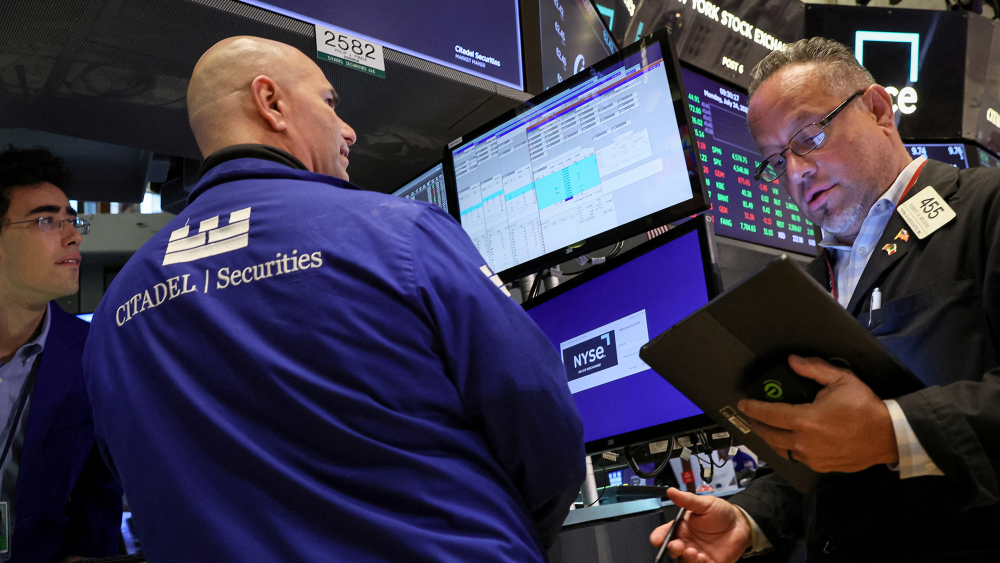
The S&P 500 and the NASDAQ Composite closed at fresh record highs on Thursday, fueled by strong quarterly earnings from major corporations, including Alphabet Inc..
A batch of mostly in-line economic data and a pullback in oil prices also helped boost investor sentiment.
Against this backdrop, the DJIA climbed 1.62% to 49,651.95 points, while the S&P 500 gained 1.04% to 7,210.24. The Nasdaq Composite advanced 0.89% to 24,892.31.
April turned into a standout month for Wall Street. The Dow rose 7.1% over the month, the S&P 500 rallied 10.2%, and the Nasdaq surged 15.2%, marking its strongest monthly performance since 2020.
Iran Talks Stall as Military Risks Return
President Donald Trump is expected to receive a briefing later today regarding the possibility of another military strike against Iran, according to Axios.
The move is reportedly aimed at pressuring Tehran back into negotiations after talks stalled over disagreements surrounding Iran’s nuclear ambitions.
June futures for Brent Crude fell 3.4% to $114.05 per barrel after earlier climbing above $126 intraday. Despite the decline, Brent remains far above pre-war levels near $70 per barrel, reinforcing fears of renewed global inflationary pressure that could force central banks to maintain tighter monetary policy.
Fed Holds Rates Steady Amid Internal Divisions
The Federal Reserve left interest rates unchanged on Wednesday, as widely expected, though the decision became one of the most divisive within the institution since the early 1990s.
While policymakers kept rates within the 3.50%–3.75% range, the Fed also chose not to alter the language in its policy statement, which still suggests the next move in rates would likely be downward. Four of the twelve members of the FOMC dissented from the decision.
Fed Chair Jerome Powell also announced that he intends to remain on the central bank’s Board of Governors after his term as chair expires in May—a significant departure from previous precedent that could complicate the leadership transition to Kevin Warsh.
Powell additionally voiced concern over what he described as “a series of legal attacks against the Federal Reserve,” warning that they threaten the institution’s ability to conduct monetary policy independently from political pressure.
Economic Data Sends Mixed Signals
Meanwhile, the Bureau of Economic Analysis released its first estimate of U.S. first-quarter GDP growth for 2026. The economy expanded at an annualized rate of 2.0%, slightly below the 2.1% expected by economists but well above the 0.5% pace recorded in the fourth quarter of 2025.
Separately, the number of Americans filing first-time unemployment claims for the week ending April 25 fell to 189,000—the lowest level since 1969.
- Check out our free forex signals
- Follow the top economic events on FX Leaders economic calendar
- Trade better, discover more Forex Trading Strategies
- Open a FREE Trading Account
- Read our latest reviews on: Avatrade, Exness, HFM and XM

Related Articles

Sidebar rates

Related Posts
 Save
Save