Rand Surges Ahead of SARB Meeting as Inflation Hits 4%
Rand gains strength as South African inflation reaches 4%, impacting SARB's rate decisions.

Quick overview
- The South African Reserve Bank is preparing for a crucial monetary policy meeting amid rising inflation at 4%.
- The SARB faces a challenging decision between stimulating economic growth and controlling inflation, with potential impacts on the rand and the Johannesburg Stock Exchange.
- Traders should closely monitor the SARB's decisions, as a rate hike could lead to short-term gains while a stable rate might support the JSE's growth.
- Global economic factors, such as U.S. monetary policy and oil prices, could influence the SARB's actions and the rand's performance.
Live USD/ZAR Chart

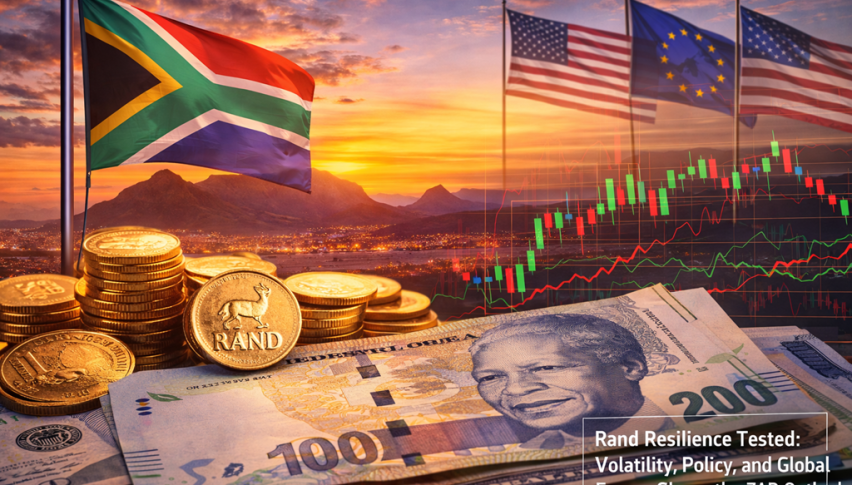
As the South African Reserve Bank (SARB) gears up for its next monetary policy meeting, the rand is riding a wave of optimism, bolstered by a recent rise in inflation to 4%. This economic backdrop sets the stage for critical decisions that could influence the currency’s trajectory.
Behind the Headline
South Africa’s inflation rate has climbed to 4%, marking a significant economic marker reported by Invezz. This development has put the SARB in a challenging position as it weighs further interest rate adjustments. Historically, central banks use rate hikes to combat inflation, but the current economic climate may prompt a different approach.
The SARB is in a delicate balance, trying to stimulate economic growth while keeping inflation in check. A rate hike might strengthen the rand temporarily but could also stifle economic recovery. This situation comes amid global economic uncertainties, particularly with the U.S. Federal Reserve’s monetary policy shifts, which have a ripple effect on emerging markets like South Africa.
South Africa Market Angle
For South African traders, the interplay between inflation and interest rates holds significant implications for the rand and the Johannesburg Stock Exchange (JSE). A strong rand typically attracts foreign investment to the JSE, boosting market performance. However, as reported by WeeTracker, the forex market is becoming increasingly attractive, drawing traders’ interest in currency fluctuations.
The SARB’s decision will impact not only the forex market but also broader economic indicators. A stable or appreciating rand can ease import costs, potentially reducing inflationary pressures in the long term. Additionally, the SARB’s stance can influence investor confidence, affecting both bond yields and equities.
Contrary Angle
Despite the prevailing view that the SARB might hold rates steady or opt for a minimal hike, some analysts argue that external factors could necessitate a more aggressive approach. A continued rise in global oil prices or a sharper-than-expected U.S. rate hike could force the SARB’s hand, pushing interest rates higher than anticipated.
Furthermore, as TradingView highlights, the rand’s recent rally might be overextended, leaving it vulnerable to sudden shifts in market sentiment. Such shifts could be triggered by unexpected geopolitical events or changes in global trade dynamics, making a strong case for traders to remain cautious.
Why Traders Should Care
Traders in the South African market should monitor the SARB’s upcoming decisions closely. A rate hike could provide opportunities for short-term gains in the rand, while a stable rate might support a steady rise in the JSE. Forex traders should prepare for increased volatility in the USD/ZAR pair, particularly if the SARB’s actions deviate from market expectations.
Moreover, with the potential for significant market movements, traders should consider hedging strategies to mitigate risks. Keeping an eye on global economic indicators, such as U.S. employment data and commodity prices, will also be crucial in anticipating the rand’s direction.
Conclusion
The South African economic landscape is at a pivotal juncture, with inflation trends and central bank policies playing central roles. As the rand surges ahead of the SARB’s meeting, traders must navigate a complex environment of risks and opportunities. By staying informed and adaptable, they can capitalize on the evolving financial landscape.
- Check out our free forex signals
- Follow the top economic events on FX Leaders economic calendar
- Trade better, discover more Forex Trading Strategies
- Open a FREE Trading Account
- Read our latest reviews on: Avatrade, Exness, HFM and XM

Related Articles
Sidebar rates

Related Posts
 Save
Save