While improving U.S. inflation and employment data bolstered forecasts of a more hawkish Federal Reserve, gold experienced volatility as escalating Middle East tensions contributed to a significant rebound from near $4,000 to above $4,200.
gold
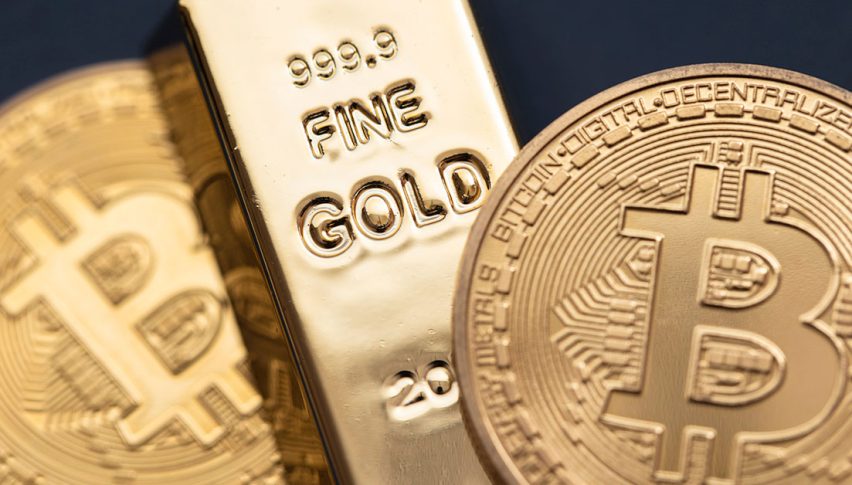
Gold Price Forecast: XAU Finds Support as Fed Decision and Middle East Deal Set Stage for Next Move
While improving U.S. inflation and employment data bolstered forecasts of a more hawkish Federal Reserve, gold experienced volatility as escalating Middle East tensions contributed to a significant rebound from near $4,000 to above $4,200.
•
Last updated: Monday, June 15, 2026
Quick overview
- Gold experienced significant volatility due to stronger U.S. inflation and employment data, leading to expectations of a more hawkish Federal Reserve.
- After a sharp selloff that brought prices near $4,000, gold rebounded to above $4,200 as buyers emerged at key support levels.
- Investor focus is now on the upcoming Federal Reserve meeting, where interest rate decisions and economic projections will be closely scrutinized.
- Geopolitical tensions in the Middle East are adding uncertainty, impacting investor sentiment and safe-haven demand for gold.
Live GOLD Chart
GOLD

0.0000
MARKETS TREND
Gold Suffers Sharp Selloff Before Rebounding
Gold endured a turbulent week as investors grappled with conflicting forces from monetary policy, inflation, and geopolitical developments.
The precious metal came under intense selling pressure after stronger-than-expected U.S. economic data boosted expectations that interest rates could remain elevated for longer. Gold prices briefly plunged toward the $4,000 level last Thursday, extending losses that had accelerated following hotter inflation data and a surprise interest rate increase from the European Central Bank.
However, buyers quickly emerged near key support levels, helping gold stage a dramatic recovery that lifted prices back above $4,200 later the same day.
The sharp reversal highlighted the ongoing battle between macroeconomic headwinds and safe-haven demand.
Pakistan PM Sharif announced a U.S.-Iran peace deal with an immediate, permanent ceasefire on all fronts including Lebanon; a formal signing ceremony is set for 19 June in Switzerland.
Summary: Source: Pakistan Prime Minister Shehbaz Sharif statement
- Pakistan PM Sharif announced a peace deal between the U.S. and Iran following intensive talks
- Both sides declared an immediate and permanent end to military operations on all fronts, including Lebanon
- The formal signing ceremony is scheduled for Friday, 19 June, in Switzerland
- Mediators will facilitate a series of follow-up meetings during the intervening week
Strong Economic Data Strengthens Hawkish Fed Expectations
The primary catalyst behind gold’s weakness was a series of stronger-than-expected U.S. economic reports.
Inflation data showed headline CPI rising to 4.2% year-over-year in May, the highest reading in more than three years. Core inflation also edged higher to 2.9%, reinforcing concerns that price pressures remain stubbornly elevated.
Meanwhile, the U.S. labor market continued to demonstrate resilience, with the economy adding 172,000 jobs during May. The stronger employment figures reduced expectations for near-term monetary easing and increased speculation that policymakers may need to keep rates higher for longer.
The result was a stronger U.S. dollar and rising Treasury yields, both of which traditionally create headwinds for gold by increasing the opportunity cost of holding non-yielding assets.
Trump posts on the deal with Iran
- Peace deal is scheduled for signing on Friday June 19.
Federal Reserve Meeting Takes Center Stage
Investor attention is now firmly focused on the upcoming Federal Reserve policy decision.
Most economists expect the Federal Open Market Committee to leave interest rates unchanged at 3.50% to 3.75%, but markets remain divided over the longer-term outlook.
Following recent inflation and employment data, money markets are now pricing in the possibility of another rate increase before year-end. At the same time, many economists expect the Fed’s updated economic projections to signal no rate cuts during 2026, a more hawkish stance than previously anticipated.
The meeting will also be closely watched because it marks the first major policy gathering under Fed Chair Kevin Warsh. Although Warsh has historically favored lower interest rates, analysts believe he is unlikely to gain sufficient support for a more dovish approach given current inflation trends.
Traders will pay particular attention to the updated dot plot and any signs that policymakers are considering removing the easing bias that has remained in recent communications.
Technical Analysis—The Support Held
Technically, the correction early in 2026 was severe. Gold broke decisively below its 20-day simple moving average, ending a streak of consistent trend support. Attention quickly shifted to the 50-day moving average near $5,000 which was also broken and in late March we saw a decline below the early February low of $4,400, and XAU bottomed at $4,023 last week.
Gold Chart Daily – Gold Rebounds Off the 100 SMA

Gold found support at the 100 SMA (red) which was broken as support last seek. Gold slipped to $4,318 on Friday, closing below the 100 SMA for the first time since 2023. However the decline stalled at the 50 SMA on the weekly chart (red).
Gold Chart Weekly – The 50 SMA Held As Support

The ability to hold above $4,000 carries psychological importance. Reclaiming such a major round-number threshold often stabilizes sentiment, especially after a period of forced liquidation. While volatility remains elevated, the ability to defend longer-term trend support suggests that structural buyers remain active.
Gold’s Outlook Hinges on Fed and Geopolitics
The combination of stubborn inflation, resilient economic growth and heightened geopolitical uncertainty has created one of the most challenging environments for gold investors in recent months.
On one hand, higher interest rates and a stronger dollar continue to pressure bullion prices. On the other, ongoing Middle East tensions and concerns about global stability continue to generate safe-haven demand.
For now, gold’s recovery above $4,200 suggests buyers remain active at lower levels. However, the metal’s next major move will likely depend on the Federal Reserve’s guidance, future inflation readings and whether diplomatic efforts in the Middle East can prevent another escalation in regional tensions.
- Check out our free forex signals
- Follow the top economic events on FX Leaders economic calendar
- Trade better, discover more Forex Trading Strategies
- Open a FREE Trading Account
- Read our latest reviews on: Avatrade, Exness, HFM and XM
ABOUT THE AUTHOR
See More

Skerdian Meta
Lead Analyst
Skerdian Meta Lead Analyst.
Skerdian is a professional Forex trader and a market analyst. He has been actively engaged in market analysis for the past 11 years. Before becoming our head analyst, Skerdian served as a trader and market analyst in Saxo Bank's local branch, Aksioner. Skerdian specialized in experimenting with developing models and hands-on trading. Skerdian has a masters degree in finance and investment.
Related Articles
Sidebar rates

Related Posts
 Save
Save