South Africa Petrol Price Hikes Hit Record High After 6 Months as Fuel Rebound Turns into Pain
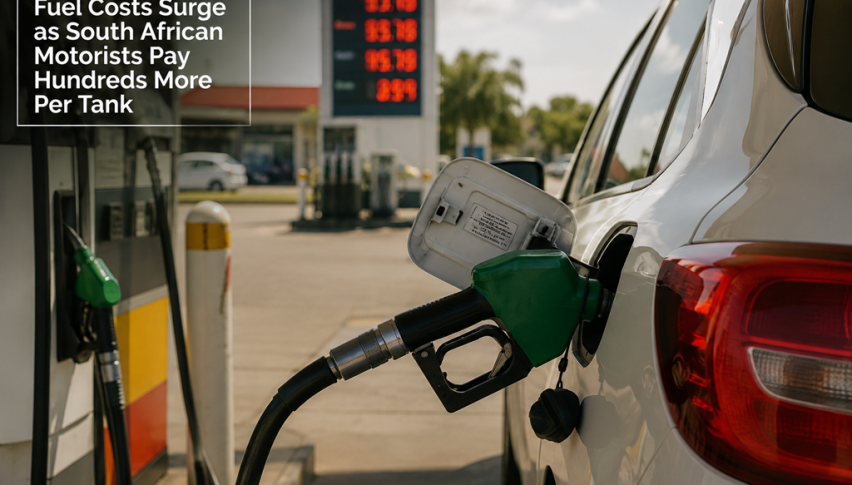
Drivers in South Africa are again paying hundreds of rand more to fill their tanks after a significant drop in fuel prices at the start of 2026 was reversed.
Quick overview
- South African fuel prices have surged to a record high of R28.06 per litre after a series of steep increases in 2026.
- Motorists are now paying hundreds of rand more to fill their tanks compared to earlier in the year, with costs rising significantly for both small vehicles and larger SUVs.
- The increase in fuel prices is adding financial strain on households already facing high living costs and inflation.
- There is potential relief on the horizon, as early data suggests a possible decrease in petrol prices by R2.71 per litre in July.
Drivers in South Africa are again paying hundreds of rand more to fill their tanks after a significant drop in fuel prices at the start of 2026 was reversed.
Fuel Prices Swing From Four-Year Low to Record High
South Africa has experienced a dramatic reversal in fuel prices during the first half of 2026. After petrol fell to its lowest level in nearly four years in January and February, a series of steep monthly increases has pushed prices to a new record high.
Petrol 95 (inland) dropped to R20.75 per litre in January following a 62-cent cut, with another 65-cent reduction in February. However, the relief proved short-lived.
Geopolitical tensions escalated after military strikes involving Iran sent global oil prices sharply higher. Brent crude briefly climbed above $100 per barrel, triggering substantial fuel price increases in South Africa over the following months.
Successive Hikes Push Prices Higher
Motorists faced the following official fuel price adjustments:
- February: 65c per litre decrease
- March: 20c per litre increase
- April: R3.06 per litre increase
- May: R3.27 per litre increase
- June: R1.46 per litre increase
The increases would have been even larger had the National Treasury not temporarily reduced the General Fuel Levy by R3 per litre, helping to soften the impact before part of the levy was reinstated in June.
As a result, petrol has climbed to a record R28.06 per litre, surpassing the previous high of R26.74 reached in 2022.
Filling Up Now Costs Hundreds More
The higher pump prices have significantly increased refuelling costs.
- 30-litre tank: +R219
- 50-litre tank: +R366
- 60-litre tank: +R439
- 80-litre tank: +R585
Drivers of smaller vehicles are paying more than R220 extra per fill-up, while owners of SUVs and bakkies can spend nearly R600 more compared with the start of the year.
Households Feel the Financial Strain
The latest petrol increase comes as South African households continue to face higher living costs, elevated borrowing expenses and persistent inflation.
According to Neil Roets, CEO of Debt Rescue, rising fuel costs are placing additional pressure on consumers who have already exhausted many cost-cutting options. While lower diesel prices may eventually reduce transport costs for businesses, he warned that most households will immediately feel the impact of more expensive petrol.
The recent 25-basis-point repo rate increase has further squeezed household budgets, making it increasingly difficult for families to absorb rising expenses across fuel, food, electricity and loan repayments.
Relief May Be on the Way
There is, however, some optimism for July. Early data from the Central Energy Fund suggests petrol prices could fall by around R2.71 per litre, more than offsetting the remaining R1.50 General Fuel Levy scheduled to return.
If confirmed, the decline would provide much-needed relief after one of the most volatile six-month periods for South African fuel prices in recent years.
- Check out our free forex signals
- Follow the top economic events on FX Leaders economic calendar
- Trade better, discover more Forex Trading Strategies
- Open a FREE Trading Account
- Read our latest reviews on: Avatrade, Exness, HFM and XM

Related Articles
Sidebar rates

Related Posts
 Save
Save