Three Factors Pulled U.S. Natural Gas down 2.76% Wednesday
Forecasts calling for rising temperatures kept natural gas rates from falling low Wednesday after low export news.

Quick overview
- Natural gas futures in the U.S. fell to $3.14 per MMBtu after three days of increases, influenced by decreasing exports and rising inventory levels.
- The market is expected to see increased demand due to warmer temperatures forecasted for the coming weeks, which could push prices higher.
- U.S. natural gas export terminals are experiencing a decline in orders, with deliveries dropping to 17 billion cubic feet in June amid seasonal maintenance.
- Despite the recent price drop, natural gas remains above $3, supported by high inventory levels and the potential for increased demand.
Natural gas futures in the United States dropped to $3.14 per MMBtu on Wednesday after climbing for three straight days as the market is weighed down by multiple factors.
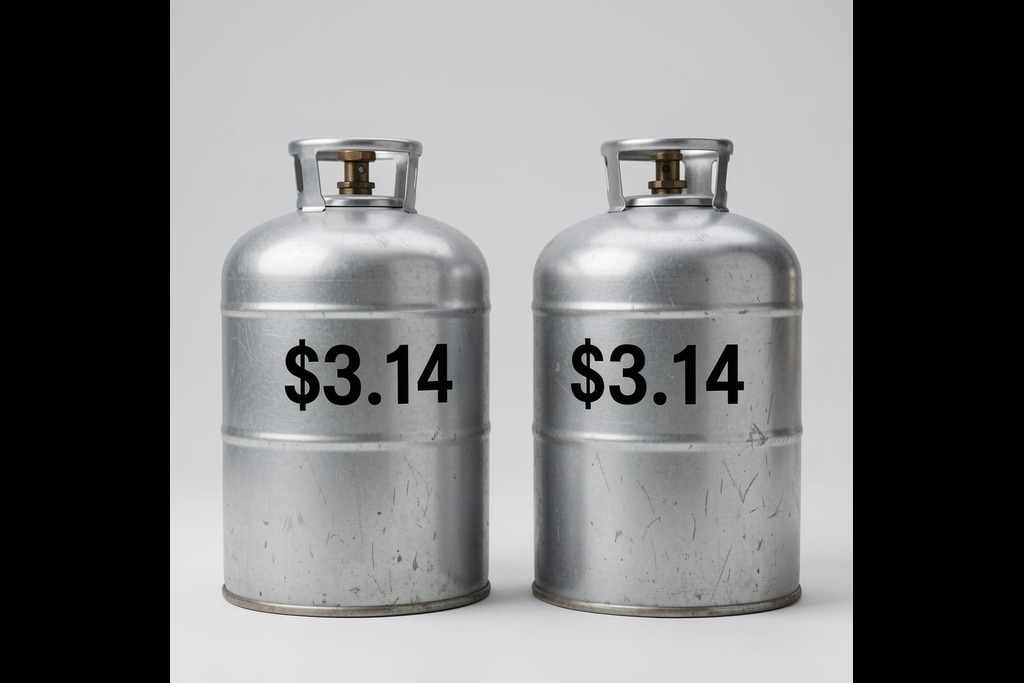
It is not the peace deal in Iran that is bringing U.S. LNG futures lower Wednesday. Instead, the market has been impacted by decreasing exports and increases to the national inventory level. The price might be even lower, however, if it were not for high temperature forecasts and the expectation of increased demand in the coming weeks.
Natural gas fell 2.67% Wednesday and is now at $3.14, but it could move higher as the weather warms through July 1st. Warmer than normal temperatures are anticipated for that period, and that may create increased demand for LNG products since many air conditioning units rely on natural gas for power.
Exports Dry Up after Peace Deal
U.S. export facilities for natural gas have seen decreasing orders over this week. Foreign buyers are expecting that shipment of natural gas will resume normally now that the Strait of Hormuz is opening soon. The strait remains closed for the moment and is being monitored and regulated severely, but there are processes taking place now to reopen the waterway.
There are nine major U.S. natural gas export terminals, and these terminals are now showing a collective decrease. Their deliveries dropped in June to 17 billion cubic feet. The seasonal maintenance schedule is still affecting these terminals, causing production to slow, but export orders are also dropping as buyers outside the United States prepare to receive their regular deliveries from other sources.
The inventory level for the United States is down slightly compared to the previous month. Production dropped from 109.7 to 109.3 bcfd for June so far, but overall inventory remains high, above the five-year average by about 6%.
Where is the price of domestic LNG likely to go from this point? We should see the price tick upward as the weather warms and demand increases. However, the historically high inventory levels and slowed exports could keep those rates in check. The price of natural gas remained above $3 for over a week at the time of writing and is likely to continue to stay there.
- Check out our free forex signals
- Follow the top economic events on FX Leaders economic calendar
- Trade better, discover more Forex Trading Strategies
- Open a FREE Trading Account
- Read our latest reviews on: Avatrade, Exness, HFM and XM

Related Articles



Sidebar rates

Related Posts
 Save
Save