Nasdaq at the Crossroads: Can Tech Hold Its Ground After US CPI?
The Nasdaq is once again in the hot seat. The markets got a verdict and a new set of questions from Wednesday's release...
Quick overview
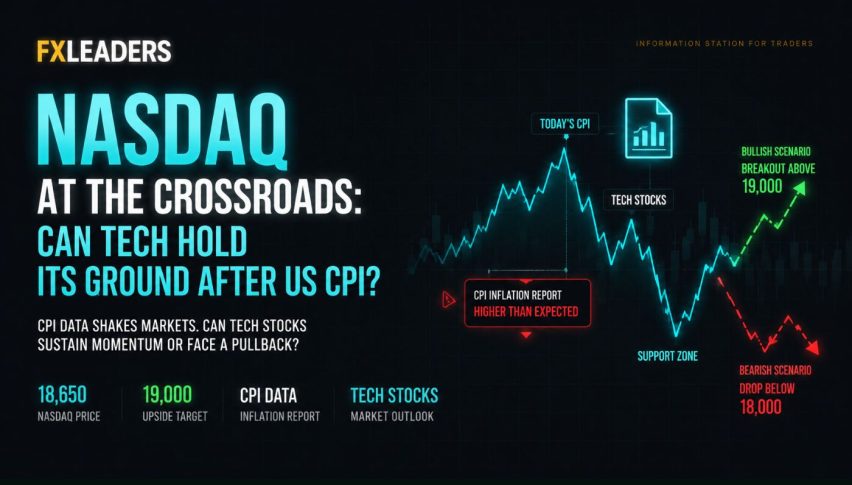
- The May Consumer Price Index (CPI) showed a 0.5% increase, bringing the annual inflation rate to 4.2%, which aligns with market expectations but raises concerns for technology investors.
- Core CPI growth was lower than anticipated, indicating potential challenges ahead as energy prices surged significantly, impacting overall inflation.
- The Nasdaq has faced recent selloffs due to disappointing forecasts in the AI chip sector, leading to increased caution among investors regarding tech stocks.
- Looking ahead, the upcoming earnings cycle and the Federal Reserve's decisions will be crucial in determining the future direction of the Nasdaq.
The Nasdaq is once again in the hot seat. The markets got a verdict and a new set of questions from Wednesday’s release of the May Consumer Price Index (CPI) — and for technology investors the answers are very real.
The Print: Better Than Expected but Less-Than-Pleasing
The Consumer Price Index increased 0.5% on a seasonally adjusted basis in May, bringing the annual inflation rate to 4.2%, the highest since April 2023, the Bureau of Labor Statistics reported. Both figures were in line with the Dow Jones consensus. On the surface, that in-line print is the least-bad scenario for equities: no hawkish surprise, no immediate capitulation. CNBC
But the fine print tells a more cautious story. The core CPI, which excludes food and energy, ticked up 0.2% for the month, a pace lower than 0.3% forecast and the 0.4% increase in April. Much of May’s headline inflation was driven by a 3.9% jump in energy prices, pushing the 12-month energy gain to 23.5%. The difference is important: rapid surges are generally short-lived, but they are a constant burden on confidence as long as the U.S.-Iran conflict keeps oil prices high. CNBC
Tech Was Already on the Back Foot
Today’s CPI report came at a time when markets were already downbeat. The sector-wide selloff last week stemmed from a disappointing outlook for AI chips from Broadcom, which brought down both AMD and Intel by double digits and pulled the Nasdaq Composite down more than 4% in one day, the most since April 2025’s tariff shock. Nasdaq 100 futures continued to extend those losses this morning with the futures index down more than 1.6% ahead of the CPI release, as investors continued to pare holdings of technology stocks amid overvalued AI valuations and growing rate-hike risk. CNBCBarchart
The Nasdaq 100 index dropped about 2% on Tuesday, as the S&P 500 declined 1%, and fresh doubts emerged that the rally in stocks of chip and data-center companies fueled by artificial intelligence could have been too hot to handle. TRADING ECONOMICS
The Fed Overhang
The data arrives just a week before the Federal Reserve’s June 17 meeting. Markets are pricing in a near-certain hold at the June FOMC, but looking further out to December, there is now a nearly 30% probability of a rate hike, according to CME FedWatch. That tail risk is enough to keep rate-sensitive, high-duration tech stocks on edge. Yahoo Finance
Earnings: The Next Catalyst
Now that inflation data has been taken in, the next big challenge for the Nasdaq is the earnings cycle. Goldman Sachs estimates that the largest hyperscalers will spend nearly $800 billion on capital expenditures this year — an 80%-plus increase year-over-year — with that figure set to climb above $900 billion in 2027. Hyperscaler capex is on track to consume roughly 75% of those companies’ cash flows, a ratio reminiscent of the late 1990s tech boom. Investors are asking for evidence that these expenses are paying off, rather than costing them money. Charles Schwab
The Path Forward
Today’s in-line CPI figure is a welcome respite for equities, but it does not eliminate the underlying uncertainty of tech. The next big event that could determine the Nasdaq’s direction will be whether core inflation continues to ease in the coming months — and if Q2 earnings from the AI bellwethers justify the massive capital pledges the industry has made. At this moment, the index is at the crossroads of a waning macro headwind and an emerging fundamental reckoning. The resilience trade is still alive, but it is earning its name the hard way.
- Check out our free forex signals
- Follow the top economic events on FX Leaders economic calendar
- Trade better, discover more Forex Trading Strategies
- Open a FREE Trading Account
- Read our latest reviews on: Avatrade, Exness, HFM and XM

Related Articles

Sidebar rates

Related Posts
 Save
Save